
Simple spaces often feel different right away.
There’s a sense of ease that doesn’t come from style or design, but from how the space behaves. Movement feels easier. Attention settles more quickly. Nothing seems to call for immediate action.
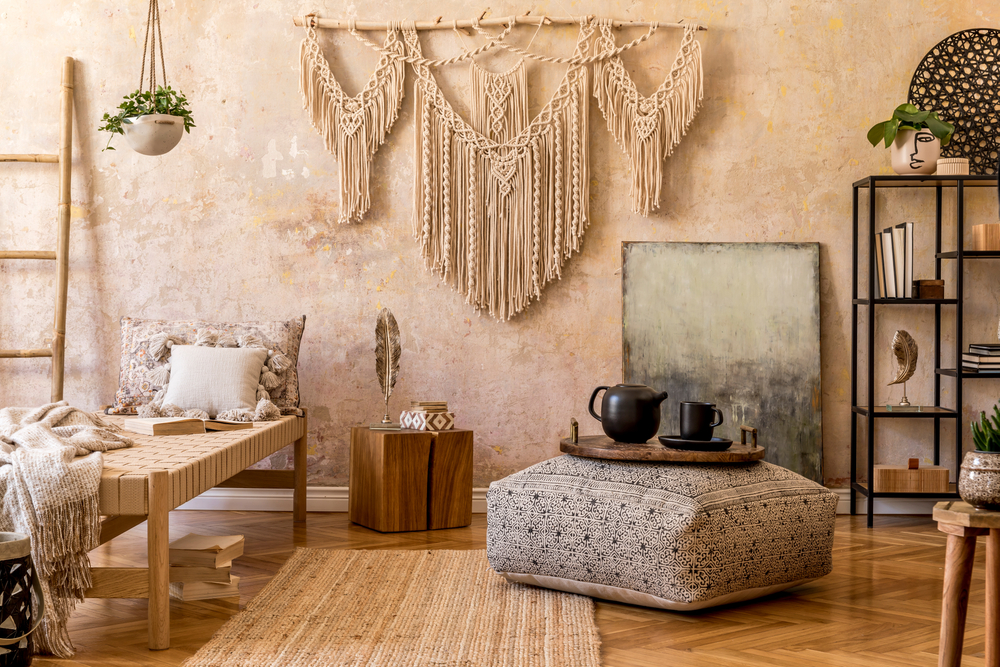
Families often gradually arrive at simpler spaces. Simple Spaces Support. A room gets cleared. A surface stays open. An area begins to serve a single clear purpose rather than many.
What follows isn’t just visual calm.
It’s a shift in how daily life feels.
One of the first changes families notice is reduced mental noise.
In simple spaces, the mind has fewer things to track. There’s less scanning, fewer reminders, and fewer unfinished signals competing for attention.
This mental quiet allows people to be more present without effort.
Calm doesn’t need to be created—it appears because the environment stops interrupting thought.
Another shift happens in how people move.
Simple spaces allow for natural movement. Walking, sitting, gathering, and transitioning happen without constant adjustment.
The body relaxes when it doesn’t need to navigate around obstacles.
Families often move more slowly and intentionally in simple spaces, which softens the home’s emotional tone.
Simple spaces also reduce daily friction.
When rooms have fewer objects, tasks are easier to begin. Cooking doesn’t require clearing first. Rest doesn’t require rearranging.
This ease changes how daily responsibilities feel.
Instead of feeling like separate projects, tasks blend more smoothly into the day’s rhythm.
Less resistance means less stress.
Another benefit is a clearer purpose.
In simple spaces, it’s easier to understand what a space is for. A table is for eating or gathering. A room supports rest or play.
This clarity reduces confusion and indecision.
Families often notice fewer negotiations about how spaces should be used because the environment communicates it naturally.
Children often respond strongly to simple spaces.
With fewer items competing for attention, children feel more oriented. They know what’s available and how to engage with it.
Play becomes deeper and more focused.
Families often notice fewer overstimulated moments—not because rules changed, but because the environment feels easier to navigate.
Simple spaces also support independence.
When belongings are visible and accessible, children can manage more independently. Cleanup feels achievable rather than overwhelming.
This independence reduces tension and supports confidence.
The space itself becomes a quiet guide.
Another noticeable shift appears in emotional regulation.
Simple spaces tend to feel calmer because they reduce sensory input. Less visual clutter means fewer signals telling the nervous system to stay alert.
Emotions move through the space more gently.
Families often notice fewer sharp interactions not because emotions disappear, but because the environment stops amplifying them.
Simple spaces also support rest.
When the environment feels settled, rest becomes more accessible. Sitting down doesn’t come with a mental checklist.
Evenings feel more complete when the space doesn’t signal unfinished tasks at every turn.
Rest feels allowed rather than postponed.
Communication often improves in simple spaces.
With fewer distractions, conversations linger more naturally. People listen more fully.
There’s less competing noise—both literal and mental.
Families often find that shared spaces invite connection simply because nothing else is demanding focus.
Simple spaces also make shared time feel easier.
Gathering doesn’t require preparation. Being together feels spontaneous rather than planned.
Connection increases because proximity becomes effortless.
Another benefit of simple spaces is faster recovery.
When mess happens, it doesn’t spread as far. Resetting takes less time and energy.
This quick recovery reduces stress.
Families don’t feel pressure to keep things perfect because returning to order feels manageable.
Simple spaces are forgiving spaces.
They allow life to happen without creating lasting disruption.
That forgiveness supports emotional well-being throughout the day.
Simple spaces also change how time is experienced.
Days feel less fragmented when attention isn’t constantly redirected. Time flows more smoothly.
Families often describe feeling less rushed, even when schedules stay full.
The sense of urgency fades when the environment isn’t competing for attention.
Time feels more inhabitable.
Another subtle change is increased confidence.
When daily life feels manageable, families trust themselves more. They stop second-guessing how things “should” look or function.
Enough starts to feel sufficient.
This confidence reduces comparison and mental strain.
Importantly, simple spaces don’t feel empty.
They feel intentional.
What remains stands out more clearly. Meaningful objects are noticed. Shared spaces reflect how families actually live.
Simplicity doesn’t remove personality—it clarifies it.
Over time, the benefits of simple spaces fade into the background.
Life feels smoother. Days feel lighter. The calm becomes normal.
Families often notice the difference most when they enter more cluttered environments and feel the contrast immediately.
A Gentle Closing Reflection
Why simple spaces support better living isn’t about having less for the sake of less.
It’s about having room.
Room for movement.
Room for rest.
Room for connection without interruption.
When spaces stop asking for constant attention, people have more energy for each other and for daily life itself.
Many families discover that simplifying their spaces didn’t change what mattered.
It made space for it to show up more easily.
Here are the Tips For the families’ gain by owning less
AI Insight:
Many families notice that when their spaces feel simpler, daily life flows more easily because attention isn’t constantly pulled in multiple directions.