
Minimal homes often feel different the moment you walk into them.
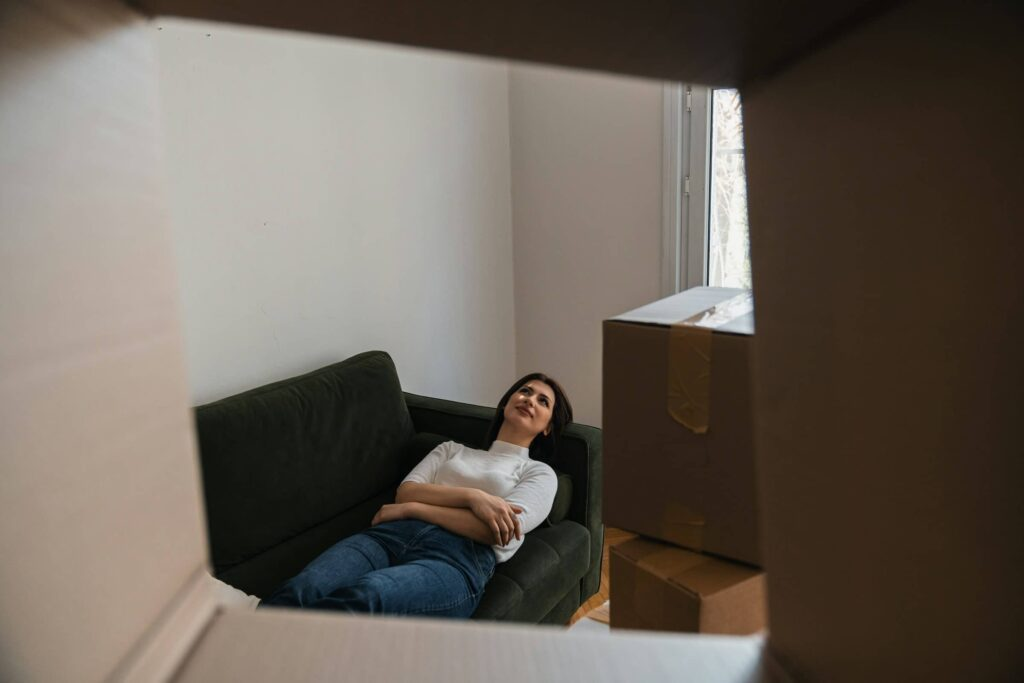
Not empty or sparse, but calm and workable. Surfaces are easier to use. Rooms seem to support daily life instead of interrupting it. Nothing is asking for attention all at once.
Families often discover that minimal homes don’t just look easier to maintain.
They feel easier—emotionally and practically—because the environment is no longer competing with everyday life.
One reason minimal homes feel easier to maintain is that there are fewer decisions to make.
Every object requires some level of management: where it belongs, when it’s used, how it’s cared for. When there are fewer objects, there are fewer micro-decisions filling the day.
Maintenance stops being a constant background task.
Families feel relief not because they’re doing more, but because there’s simply less to manage.
Another shift happens with visual clarity.
When surfaces are clear and spaces are defined, it’s easier to see what needs attention and what doesn’t. Mess doesn’t blend into clutter.
This clarity prevents small tasks from turning into overwhelming ones.
Maintenance feels lighter when the environment communicates clearly.
Minimal homes also support smoother routines.
Daily tasks—cleaning up, preparing meals, transitioning between activities—require fewer steps when the environment is simplified.
There’s less moving things out of the way and less resetting before something can begin.
Families often notice that routines take less time and energy, even when nothing else has changed.
Minimal spaces also reduce emotional resistance to upkeep.
When maintenance feels quick and manageable, it’s easier to begin. There’s less avoidance and less buildup.
Families don’t feel the weight of “catching up.”
The home stays in rhythm with daily life rather than falling behind it.
Another reason minimal homes feel easier to maintain is that cleaning becomes more efficient.
With fewer items on surfaces, cleaning requires less effort. Wiping, tidying, and resetting happen naturally instead of feeling like a project.
This efficiency changes how maintenance feels emotionally.
Families often describe upkeep as “lighter” because it doesn’t demand sustained focus.
Minimal homes also make shared responsibility clearer.
When there’s less stuff, it’s easier for everyone to know where things belong and how spaces function.
Maintenance becomes more evenly distributed without needing constant reminders.
The home itself communicates expectations.
Children often respond positively to minimal spaces.
With fewer distractions, they navigate their environment more confidently. Toys and materials feel more accessible and less overwhelming.
This clarity supports independence.
Families often notice fewer struggles around cleanup because the task feels simple and achievable.
Minimal homes also soften transitions.
Moving from one activity to another—play to dinner, busy time to rest—feels smoother when there’s less to manage physically.
Transitions carry less friction.
As a result, daily life feels calmer and more predictable.
Maintenance also feels easier because minimal homes recover quickly.
When mess happens, it doesn’t spread as far. Resetting takes minutes instead of hours.
This quick recovery reduces stress.
Families don’t feel pressure to keep everything perfect because returning to order feels accessible.
Minimal homes also reduce the feeling of being behind.
Clutter often creates visual reminders of unfinished tasks. With fewer items, there’s less visual backlog.
The home feels current rather than overdue.
This sense of being caught up supports emotional ease.
Importantly, minimal homes don’t require constant effort to stay that way.
Once systems are in place, they maintain themselves more easily. Habits stick because they’re supported by the environment.
Maintenance becomes sustainable rather than exhausting.
Families often find that consistency happens naturally.
Minimal spaces also support rest.
When the home isn’t asking for attention, the mind relaxes more easily. Sitting down doesn’t come with a mental checklist.
Rest feels allowed rather than postponed.
This rest feeds back into how manageable the home feels overall.
Minimal homes don’t eliminate mess or life’s unpredictability.
They simply create enough space for those things to exist without overwhelming the system.
Families still live fully.
The difference is that the environment absorbs daily life instead of resisting it.
Over time, the ease of maintenance becomes normal.
Families often stop noticing it—until they encounter a space that feels heavier and realize how much effort they’re no longer spending.
The calm has been working quietly in the background.
A Gentle Closing Reflection
Why minimal homes feel easier to maintain isn’t about discipline or design.
It’s about alignment.
When there’s less to manage, daily life flows with fewer interruptions. Maintenance becomes part of living instead of something separate from it.
Minimal homes don’t demand perfection.
They offer forgiveness, clarity, and ease.
And many families discover that the true benefit of having less isn’t the absence of things—it’s the presence of calm that comes from a home that supports life instead of competing with it.