We didn’t realize how overwhelming our kids’ play space had become until they stopped playing in it.
Toys were everywhere — shelves full, bins overflowing, pieces mixed together. And yet, boredom was constant. Play sessions were short. Clean-up felt impossible. Everyone was frustrated.
It didn’t make sense. Weren’t toys supposed to encourage creativity?
What surprised us was discovering that less actually led to more. More focus. More imagination. More enjoyment.
When we reduced the number of toys and shifted toward better experiences, our kids didn’t lose anything — they thrived.
Too Many Toys Create Too Many Choices
Kids’ brains get overwhelmed faster than we expect.
When there are too many options, play becomes scattered. Kids bounce from toy to toy, never settling long enough to fully engage. The result looks like boredom — but it’s actually overload.
With fewer toys available, decision-making becomes easier. Kids can relax into play instead of constantly scanning for something “better.”
Focus Improves When Play Is Simpler
One of the first changes we noticed was focus.
With fewer toys in reach, play sessions lasted longer. Kids built bigger stories, stayed with challenges, and returned to projects later instead of abandoning them after minutes.
Fewer toys didn’t limit imagination — it gave it room to stretch.
Better Experiences Create Deeper Memories
Toys are objects.
Experiences are emotional.
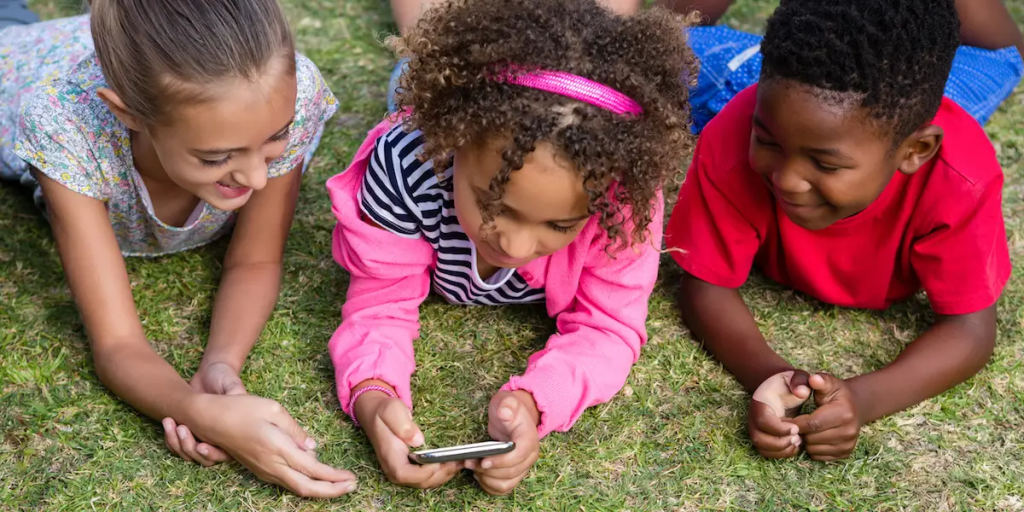
When families shift energy toward shared experiences — cooking together, walking, building something, reading, creating — kids remember how those moments felt.
Experiences build confidence, connection, and emotional safety in ways toys alone can’t.
Kids Play Better When Toys Invite Imagination
The toys kids use most aren’t always the flashy ones.
They’re often:
- Open-ended
- Simple
- Flexible
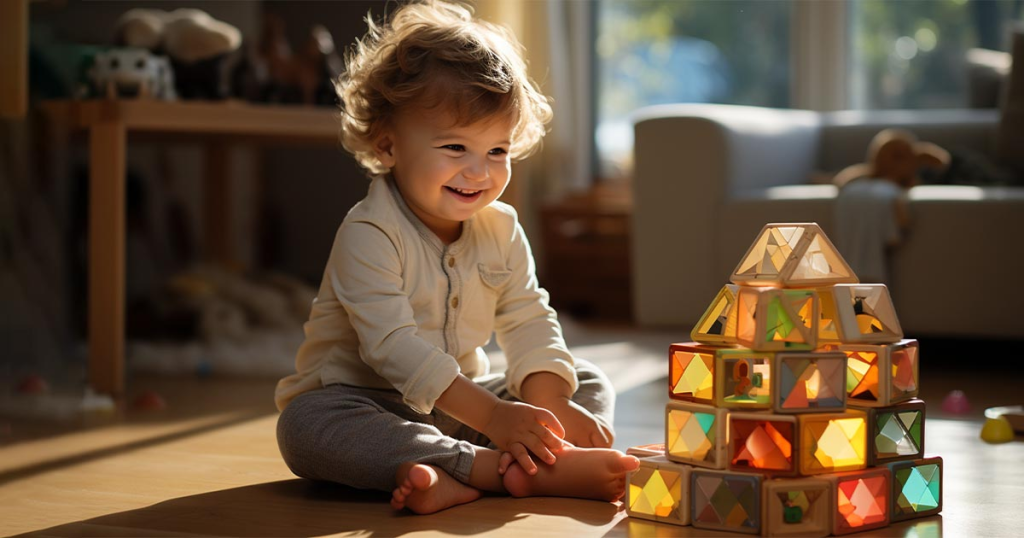
Blocks, art supplies, pretend-play items, and everyday objects invite kids to create instead of consume.
When toys don’t dictate the outcome, kids take the lead — and that’s where confidence grows.
Fewer Toys Make Daily Life Easier
This benefit surprised us as parents.
Fewer toys meant:
- Less mess
- Faster clean-up
- Fewer arguments
- Calmer rooms
The home felt lighter. Play felt less chaotic. And kids were more willing to take responsibility for their things because there weren’t so many of them.
Why This Feels Hard at First
Reducing toys can feel uncomfortable.
Parents worry about taking things away or limiting fun. Kids may react at first — especially if they’re used to constant novelty.
But once the noise settles, something else shows up.
Creativity.
Calm.
Deeper play.
Kids don’t need more toys to thrive.
They need space to imagine, time to engage, and experiences that make them feel connected.
When play becomes simpler, childhood often becomes richer — quietly, naturally, and without pressure.
Frequently Asked Questions
Does having fewer toys make kids bored?
At first, boredom may increase — but it usually leads to deeper creativity and longer play once kids adjust.
How many toys are “enough”?
There’s no perfect number. The goal is having fewer toys than overwhelm, and enough to invite imagination and reuse.
Should parents remove toys all at once?
Gradual changes often work best. Rotating toys or removing unused ones slowly helps kids adjust more easily.
Are experiences really better than toys?
Experiences don’t replace toys — they balance them. Shared experiences build emotional connection and memories toys alone can’t.