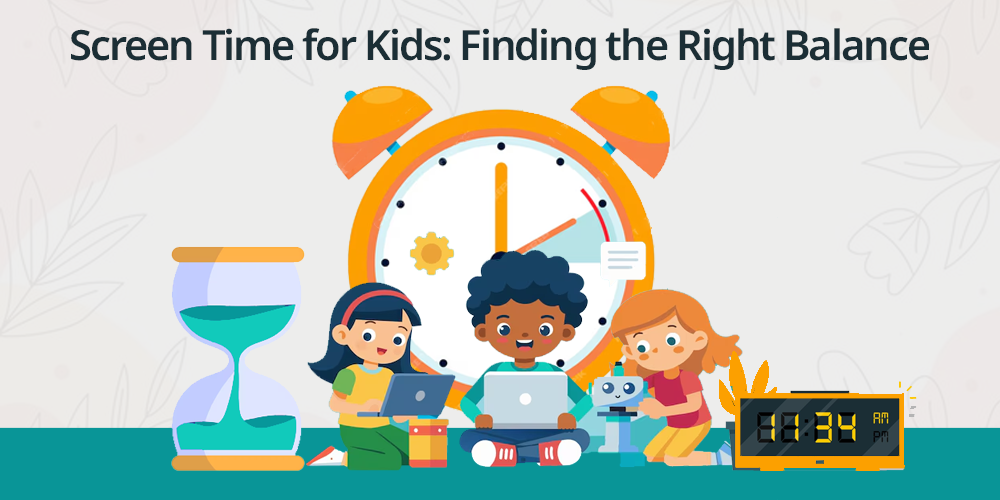
Intentional screen use usually begins with a pause.
Not a rule, not a reset, not a declaration—but a small moment of noticing. A parent realizes they reached for a phone without thinking. A family sees that one screen habit feels calming while another creates tension. Someone wonders, Is this helping right now, or just filling space?
That pause is where intention starts. And for many families, it’s also where things begin to feel easier.
Intentional screen use works not because it’s strict, but because it’s thoughtful. It replaces reaction with awareness, and that shift changes how technology fits into daily life.
Intention Changes the Relationship With Screens
Screens themselves don’t demand constant attention.
Habits do.
When screens are used automatically, they tend to expand. They fill gaps, stretch transitions, and appear whenever energy dips. Over time, this automatic use can feel overwhelming, even when no single moment feels excessive.
Intentional use changes the relationship. Screens become something families choose, not something that simply happens.
That sense of choice restores a feeling of control, which is deeply regulating for both adults and children.
Why Intention Feels Calmer Than Control
Many families try to manage screens through control.
Timers, limits, enforcement. These tools can help, but when they become the primary strategy, tension often follows. Control focuses on stopping something. Intention focuses on understanding it.
Intentional screen use asks different questions.
Why are we reaching for a screen right now?
What need is it meeting?
What comes next after this moment?
These questions shift the tone from restriction to alignment. Families stop reacting to screens and start integrating them.
That shift alone can lower stress significantly.
Intentional Use Matches Screens to Real Needs
Screens often serve real purposes.
They help people rest. They offer connection. They provide predictability during busy moments. Intentional screen use works because it doesn’t ignore these functions.
Instead of asking whether screens are allowed, intentional use asks whether screens are helpful in this moment.
Sometimes the answer is yes. Sometimes it’s no. Sometimes it’s yes, but briefly.
This responsiveness keeps screens from becoming the default solution while still honoring their usefulness.
Why Timing Matters More Than Rules
Intentional screen use is closely tied to timing.
A screen used during a natural pause often feels supportive. The same screen used during a transition or before rest can feel disruptive.
Families who practice intentional screen use pay attention to when screens feel helpful and when they don’t. Over time, patterns emerge.
Screens used earlier in the evening may feel connecting. Screens used later may make winding down harder. Screens during meals may pull attention away. Screens during downtime may offer genuine rest.
Intentional use adjusts timing rather than enforcing the same rule at all hours.
Intention Reduces Power Struggles
One of the most noticeable benefits of intentional screen use is fewer power struggles.
When screens are framed as choices rather than rewards or forbidden items, they lose emotional charge. Children sense when decisions are grounded in rhythm rather than control.
Clear expectations—screens usually happen here, not there—reduce negotiation. Children don’t need to test boundaries as often when those boundaries feel predictable and reasonable.
Intentional use replaces constant enforcement with shared understanding.
Why Intentional Screen Use Supports Mood
Screens interact with mood more than families often realize.
Used intentionally, screens can support regulation. A familiar show can soothe. Music can shift energy. A short game can offer a reset.
Used without intention, screens can amplify restlessness or irritability, especially when they interrupt transitions or delay rest.
Intentional screen use works because it pays attention to how screens feel, not just how long they last.
Mood becomes a guide rather than a problem.
Intentional Use Creates Natural Endpoints
One challenge with screens is that they can feel endless.
Intentional use creates natural beginnings and endings. A show after dinner. Music during cleanup. A short check-in, then devices rest.
When families know why a screen is being used, they also know when it’s done. Endings feel expected rather than abrupt.
This predictability reduces frustration for children and reduces mental load for adults.
Why Intentional Use Is Easier to Sustain
Strict systems often work only when energy is high.
Intentional screen use adapts to tired days, busy weeks, and changing seasons. It doesn’t rely on perfect follow-through. It relies on awareness.
Families don’t have to remember complex rules. They simply notice what supports the day and adjust accordingly.
This flexibility makes intentional use sustainable over time.
Children Learn Self-Awareness Through Intention
Intentional screen use teaches something important.
It teaches children to notice how screens affect them.
Instead of learning that screens are good or bad, children learn that screens have different effects depending on timing, content, and context.
They begin to notice when they feel relaxed, overstimulated, bored, or content. This awareness supports long-term self-regulation far better than rigid limits alone.
Intentional use builds internal guidance rather than external compliance.
Modeling Is Central to Intentional Use
Children learn intention by watching adults.
When adults pause before reaching for a device, name their choice, or put screens away without explanation, they model awareness.
This modeling doesn’t need to be perfect. It just needs to be visible.
When children see that screens are used purposefully rather than automatically, they absorb that pattern naturally.
Intentional Use Reduces Mental Load
One of the quieter benefits of intentional screen use is reduced mental load.
There’s less clock-watching. Less second-guessing. Less explaining. Less negotiating.
Screens are used because they fit the moment, not because someone gave in or enforced a rule.
That clarity frees up mental energy for connection, creativity, and rest.
Why Intentional Use Feels Kinder
Intentional screen use feels kinder because it acknowledges human limits.
It recognizes that families are tired sometimes. That rest is necessary. That flexibility matters.
Kindness doesn’t mean unlimited access. It means responding thoughtfully rather than reactively.
Families who practice intentional use often report feeling less guilt—both about using screens and about setting them aside.
Intentional Use Grows With the Family
What works for one stage of family life won’t work forever.
Intentional screen use adapts as children grow, schedules change, and needs evolve. It doesn’t lock families into one approach.
Instead, it encourages ongoing reflection. What’s working now? What feels off? What might help?
This adaptability keeps technology aligned with real life rather than fixed expectations.
Intentional Use Turns Screens Into Tools Again
When screens are used without intention, they can feel overwhelming.
When used intentionally, they return to being tools.
Tools that support rest.
Tools that support connection.
Tools that support coordination.
They stop competing with family life and start supporting it.
A Gentle Closing Reflection
Why intentional screen use works isn’t about doing more or less.
It’s about choosing with awareness.
When families pause, notice, and respond thoughtfully, screens settle into a healthier place. Not perfect. Not static. But supportive.
Intentional screen use doesn’t eliminate challenges. It softens them. It replaces tension with trust and control with clarity.
And in that space—where screens are used with purpose rather than habit—family life has more room to breathe, connect, and move at a human pace.