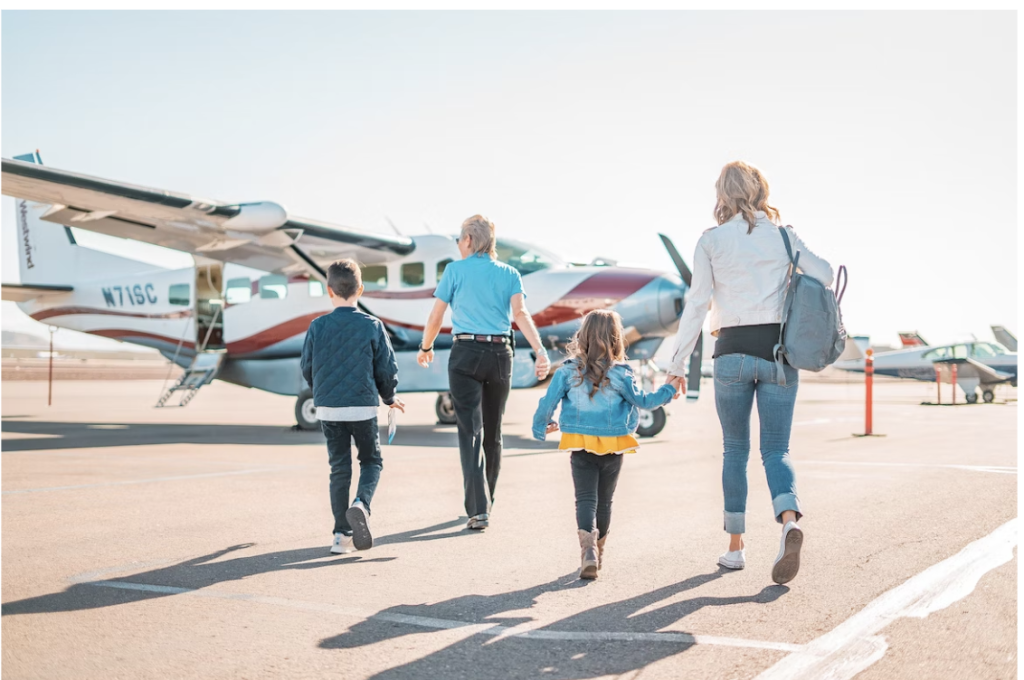
Family trips often look enjoyable before they happen.
There’s the anticipation of being together somewhere new, stepping away from routine, sharing meals and moments that feel different from everyday life. The idea of enjoyment feels almost guaranteed.
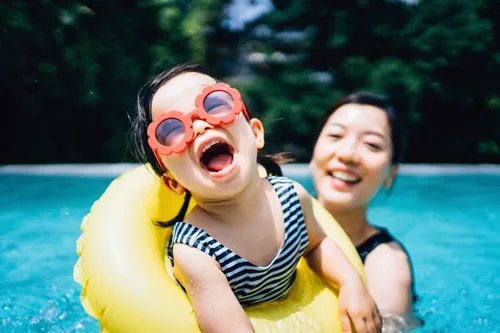
Then the trip unfolds. Some moments feel light and connected. Others feel tiring, tense, or unexpectedly quiet. Families may find themselves wondering what actually makes a trip feel enjoyable—not just successful or memorable, but genuinely good to be in.
Enjoyment, it turns out, isn’t about eliminating effort. It’s about how families experience the effort together.
Enjoyment Grows From Realistic Expectations
One of the strongest foundations of an enjoyable family trip is realistic expectation.
Trips rarely feel restful in the same way home does. They involve transitions, decisions, and constant adjustment. When families expect travel to feel effortless, even small challenges can overshadow the good moments.
Trips tend to feel more enjoyable when families expect a mix of ease and effort from the start. When difficulty isn’t treated as a problem, it doesn’t take up as much emotional space.
Enjoyment grows when families allow the trip to be what it is, not what it was imagined to be.
Feeling Oriented Matters More Than Seeing Everything
Enjoyment often comes from feeling oriented rather than busy.
Knowing where you’re going, what comes next, and roughly how the day will unfold provides a sense of calm—especially for children. When every day is packed or constantly changing, energy drains quickly.
Family trips feel more enjoyable when there’s a clear rhythm. A familiar morning routine, one main plan, and space around it. This rhythm helps everyone settle into the experience instead of racing through it.
Seeing fewer things more slowly often feels better than seeing everything in a rush.
Rest Is a Quiet Ingredient of Enjoyment
Rest doesn’t always look like sleeping in or lying still.
Sometimes it looks like an unplanned afternoon, a quiet walk, or time spent in one place without needing to move on. Family trips feel more enjoyable when rest is built in intentionally, not squeezed in at the end of the day.
Without rest, even exciting activities can feel heavy. With rest, small experiences feel richer.
Enjoyment tends to show up more easily when bodies and minds have room to recover.
Familiar Anchors Create Comfort Away From Home
New places bring stimulation.
Different sounds, foods, beds, and schedules all require processing. Family trips feel more enjoyable when a few familiar anchors travel along too.
This might be a consistent bedtime routine, familiar snacks, a shared playlist, or a morning ritual that stays the same. These anchors offer comfort without limiting exploration.
Familiarity provides emotional safety, which allows curiosity and enjoyment to grow.
Enjoyment Is Supported by Flexible Pacing
Trips feel more enjoyable when pacing matches energy.
Some days call for movement and exploration. Others need slowing down. Families often experience more enjoyment when they adjust plans based on how everyone feels rather than sticking rigidly to an itinerary.
Flexibility doesn’t mean having no plan. It means letting the plan breathe.
When families give themselves permission to pause, shorten, or skip activities, enjoyment often increases rather than decreases.
Children Enjoy Trips Differently Than Adults
Adults often measure enjoyment by activities completed or sights seen.
Children measure enjoyment by how they feel while it’s happening. Safety. Comfort. Connection. Playfulness.
Family trips feel more enjoyable when adults allow children’s version of enjoyment to count. A long stay at a simple place. Repeating the same activity. Finding joy in small, familiar moments.
When children feel regulated and included, enjoyment spreads naturally.
Togetherness Feels Better When Balanced With Space
Trips bring families close—sometimes very close.
Constant togetherness can be intense, even when everyone loves each other. Enjoyment increases when families allow for small pockets of space within the trip.
Quiet time, independent play, or moments of rest without conversation help regulate energy. Togetherness feels more nourishing when it’s balanced with breathing room.
Enjoyment grows when closeness isn’t forced but chosen again and again.
Shared Moments Matter More Than Big Highlights
Family trips are often remembered for small moments rather than major attractions.
A shared laugh over a wrong turn. A quiet breakfast together. An unexpected pause that turned into something meaningful.
Enjoyment comes from these shared moments because they’re relational, not performative. They don’t require effort to appreciate.
Trips feel enjoyable when families notice these moments while they’re happening, not just in hindsight.
Emotional Safety Supports Enjoyment
Enjoyment thrives where emotional safety exists.
When children feel allowed to be tired, grumpy, or unsure, they settle more quickly. When adults allow themselves to feel stretched without judgment, tension softens.
Trips feel more enjoyable when emotions are welcomed rather than managed away. This doesn’t mean indulging every feeling, but acknowledging them as part of the experience.
Emotional safety allows joy to appear naturally instead of being pushed.
Enjoyment Is Often Found in Slower Moments
It’s easy to associate enjoyment with activity.
In reality, many families notice that the most enjoyable moments happen when nothing special is happening. Sitting together. Wandering without urgency. Being present without a goal.
Slower moments allow people to notice each other. Conversation flows more easily. Energy levels align.
Family trips feel more enjoyable when there’s time to simply be, not just do.
Food and Comfort Play a Bigger Role Than Expected
Basic comforts influence enjoyment more than families often realize.
Regular meals, familiar foods, hydration, and physical comfort reduce friction. When these needs are met, emotional capacity increases.
Trips feel more enjoyable when families prioritize comfort alongside experience. Enjoyment rarely shows up when someone is hungry, overtired, or uncomfortable.
These details may feel unglamorous, but they support everything else.
Technology Can Support Enjoyment When Used Gently
Technology often plays a quiet role in enjoyable trips.
Navigation reduces stress. Familiar music sets the tone. Occasional entertainment helps during long waits. Used intentionally, technology supports regulation rather than distraction.
Family trips feel more enjoyable when screens are tools, not the center of attention. When they help transitions or offer rest, they can make the experience smoother.
Enjoyment increases when technology serves the moment rather than filling it.
Letting Go of Comparison Frees Enjoyment
Comparison quietly undermines enjoyment.
Comparing trips to others’ vacations, past experiences, or imagined ideals creates pressure. Enjoyment shrinks when families feel they’re measuring their experience instead of living it.
Trips feel more enjoyable when families focus inward—on how they’re feeling together rather than how the trip looks from the outside.
Presence matters more than performance.
Enjoyment Often Arrives Unexpectedly
Some of the most enjoyable moments aren’t planned.
They happen between activities, after a plan changes, or during a pause that wasn’t meant to be meaningful. These moments can’t be scheduled.
Family trips feel enjoyable when families stay open to these surprises instead of rushing past them.
Enjoyment often lives in the margins.
The Trip Doesn’t Have to Feel Enjoyable All the Time
One of the most freeing realizations for families is that enjoyment doesn’t need to be constant.
Hard moments don’t cancel good ones. Tired days don’t erase connection. Enjoyment can coexist with effort.
Family trips feel more enjoyable when families stop evaluating every moment and allow the experience to unfold unevenly.
The overall feeling matters more than any single hour.
Enjoyment Grows From Shared Perspective
Trips feel more enjoyable when families experience them as a shared story.
Not something parents are providing and children are receiving, but something everyone is participating in together. When challenges are named gently and moments of ease are noticed, the experience feels collective.
Shared perspective builds connection, and connection supports enjoyment.
A Gentle Closing Reflection
What makes family trips feel enjoyable isn’t perfection, productivity, or constant happiness.
It’s realism. Rest. Rhythm. Connection. Space. And the willingness to meet the experience as it is.
Family trips are layered by nature. They ask for flexibility, patience, and presence. When families allow for those qualities, enjoyment finds room to grow.
Not always loudly. Not always immediately.
But often, quietly—through shared glances, small recoveries, and moments that feel good simply because everyone is there together, living the trip as a family, just as they are.