It’s easy to assume that families who feel organized must be using a lot of technology.
Multiple apps. Detailed systems. Color-coded everything. From the outside, it can look like smooth days come from managing many tools at once.
In reality, many families experience the opposite. The calmer things feel, the fewer apps are usually involved.
Over time, some families discover that a small set of familiar tools quietly carries most of daily life—without asking for constant attention.
When Too Many Apps Start to Compete
At first, adding an app feels helpful.
One for schedules. One for lists. One for communication. One for learning. Each serves a purpose, and none feels heavy on its own.
Eventually, though, they begin to overlap. Notifications arrive from different places. Information gets scattered. Keeping track of the tools becomes another task.
That’s often when families start looking for something simpler.
Why Fewer Apps Feel Lighter
Using fewer apps reduces mental load.
There are fewer places to check, fewer interfaces to remember, and fewer decisions to make. The brain relaxes when information lives in predictable spaces.
This isn’t about discipline. It’s about clarity.
When tools are familiar, they fade into the background and allow attention to stay on family life.
The Calendar App That Holds the Week Together
Most families who simplify end up relying on one shared calendar.
It quietly carries school events, appointments, practices, and reminders. Everyone knows where to look, and nothing needs to be re-explained.
Over time, the calendar becomes less about scheduling and more about reassurance. It answers the question, “What’s happening next?” without urgency.
That sense of orientation keeps the week grounded.
The Messaging App That Keeps Everyone Connected
One messaging app often does the work of many tools.
It handles quick check-ins, coordination with caregivers, updates between parents, and messages to older children. There’s no need to switch platforms or search for information.
Because it’s already part of daily communication, it feels natural rather than administrative.
Connection stays simple.
The Notes App That Catches Everything Else
Every family has information that doesn’t fit neatly anywhere.
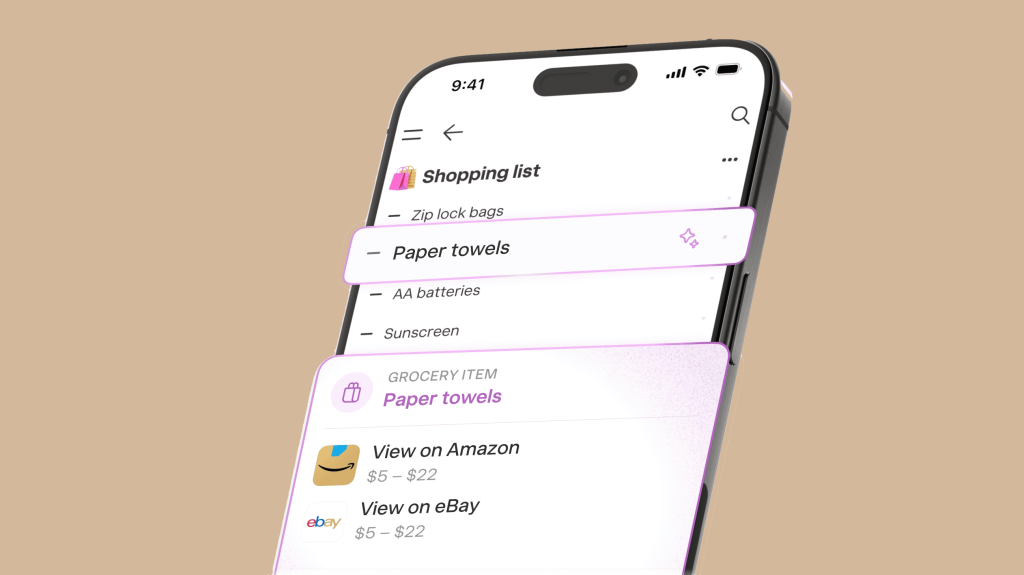
A notes app becomes the place for all of it. Lists, reminders, ideas, school details, and things to remember later.
Its value lies in flexibility. There’s no pressure to organize perfectly. Information can land somewhere safe until there’s time to think about it.
That freedom keeps the app useful long-term.
The Navigation App That Removes Guesswork
Getting from place to place is a constant part of family life.
A navigation app reduces uncertainty. It helps with timing, traffic, and planning routes between commitments.
Parents rely on it not just for directions, but for peace of mind. Knowing when you’ll arrive helps everything else fall into place.
That reliability earns its spot.
The Photo App That Holds Family History
Photo apps remain essential because they do more than store images.
They hold memories. Growth. Ordinary moments that become meaningful later.
Parents return to them during quiet moments or share them with loved ones far away. The app doesn’t demand engagement. It waits.
That patience makes it invaluable.
Why These Apps Don’t Feel Overwhelming
The apps that run family life without feeling heavy share a common quality.
They don’t interrupt. They support.
They aren’t constantly asking to be opened or updated. They exist to be used when needed and ignored when not.
That balance keeps them from feeling like work.
What Happens When Apps Stay Consistent
Consistency matters.
When apps don’t change dramatically or push constant updates, families build familiarity. Children learn how things work. Parents move through tasks with less effort.
Consistency builds trust. And trust reduces stress.
How Families Choose What Stays
Families who feel at ease with technology often use a simple approach.
They notice what they open automatically during busy moments. They pay attention to which tools reduce effort rather than add steps.
Anything that creates friction gets reconsidered. Anything that supports flow stays.
Children and Simpler Tech Systems
Children respond well to simple systems.
With fewer apps, expectations are clearer. Routines feel more predictable. There’s less switching and less confusion.
This clarity supports independence and cooperation in everyday moments.
When Technology Supports Instead of Leads
The goal isn’t for apps to run family life in a controlling way.
It’s for them to support it quietly.
When technology follows family rhythms instead of setting them, it becomes a helpful presence rather than a dominant one.
A Calm Ending Thought
The few apps that run a family without feeling overwhelming aren’t the newest or most impressive.
They’re the ones that show up consistently, ask very little, and support what already matters.
By choosing familiarity over novelty and simplicity over excess, families create digital spaces that feel calm, useful, and easy to live with.
And in the midst of busy days and full schedules, that quiet support makes all the difference.