We didn’t lose money on family travel because we booked the “wrong” trip.
We lost money in small, quiet ways — fees we didn’t notice, upgrades we didn’t need, and last-minute fixes that added up fast. By the time the trip was over, we realized we had spent far more than planned without actually enjoying the experience more.

That’s what makes family travel so tricky.
Most expensive mistakes don’t look like mistakes at the time. They look like convenience, safety, or “just this once.” But over multiple trips, those choices quietly become the biggest budget drains.
Here are the family travel mistakes that consistently cost the most money — and why avoiding them makes trips better, not worse.
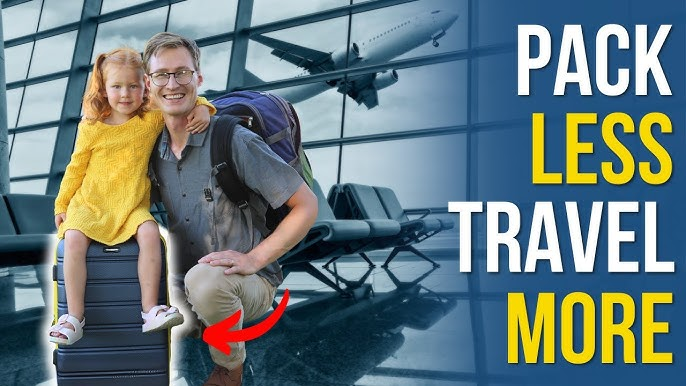
Overpacking and Paying for It Later
One of the most common money drains in family travel starts before the trip even begins.
Overpacking leads to:
- Checked bag fees
- Extra luggage costs
- Transportation upgrades
- Stress-based purchases at the destination
Families often bring “just in case” items that never get used, while paying repeatedly to carry them. Ironically, overpacking often results in more spending, not less.
Packing lighter reduces fees and makes it easier to adapt without replacing forgotten items.
Booking for “Best Case” Instead of Real Life
Families often book trips based on ideal scenarios.
Early mornings.
Packed itineraries.
Non-stop activities.
Kids who never get tired.
When real life shows up — missed connections, tired kids, weather changes — families end up spending more to fix plans that were too ambitious from the start.
Trips designed with flexibility cost less because they don’t require constant adjustments.
Paying for Convenience Without Noticing
Small convenience purchases are some of the biggest budget leaks.
Last-minute food.
Transportation upgrades.
Add-ons that promise to “make things easier.”
Each one feels minor, but together they inflate the cost of a trip without adding lasting value. Families who plan simple routines ahead of time spend less — and feel less rushed.
Choosing Accommodations That Don’t Match Family Needs
This is a costly one.
Accommodations that look great online don’t always work well for families. When space, layout, or location don’t support real routines, families spend extra money eating out, commuting more, or upgrading mid-trip.
Choosing comfort and functionality over aesthetics often saves money in unexpected ways.
Over-Scheduling Paid Activities
Paid activities add up quickly, especially when kids’ energy fluctuates.
Families often pre-book experiences they feel obligated to use, even when everyone is tired. That pressure turns money into stress.
Some of the best family travel moments are free: walking, exploring, resting, and discovering at an unplanned pace.
Ignoring the Cost of Burnout
This is the most overlooked mistake.
Burnout leads to:
- Extra food spending
- Impulse purchases
- Early exits from activities
- Paying to “salvage” the trip
Trips that are too intense often cost more because families are constantly trying to recover comfort and calm.
Slower travel saves money because it preserves energy.
Family travel doesn’t get expensive all at once.
It gets expensive through small decisions that pile up quietly.
When families plan for real life — not perfect trips — they spend less, stress less, and enjoy more of what actually matters.
Frequently Asked Questions
What’s the biggest travel mistake families make financially?
Overpacking and over-planning. Both lead to fees, upgrades, and stress-driven spending throughout the trip.
Is it cheaper to book everything in advance?
Not always. Some flexibility allows families to adjust plans without paying to fix rigid bookings.
How can families save money without sacrificing comfort?
By choosing accommodations and routines that support real family needs, not idealized schedules.
Does traveling slower really save money?
Yes. Slower travel reduces burnout, impulse spending, and the need for last-minute fixes that inflate costs.