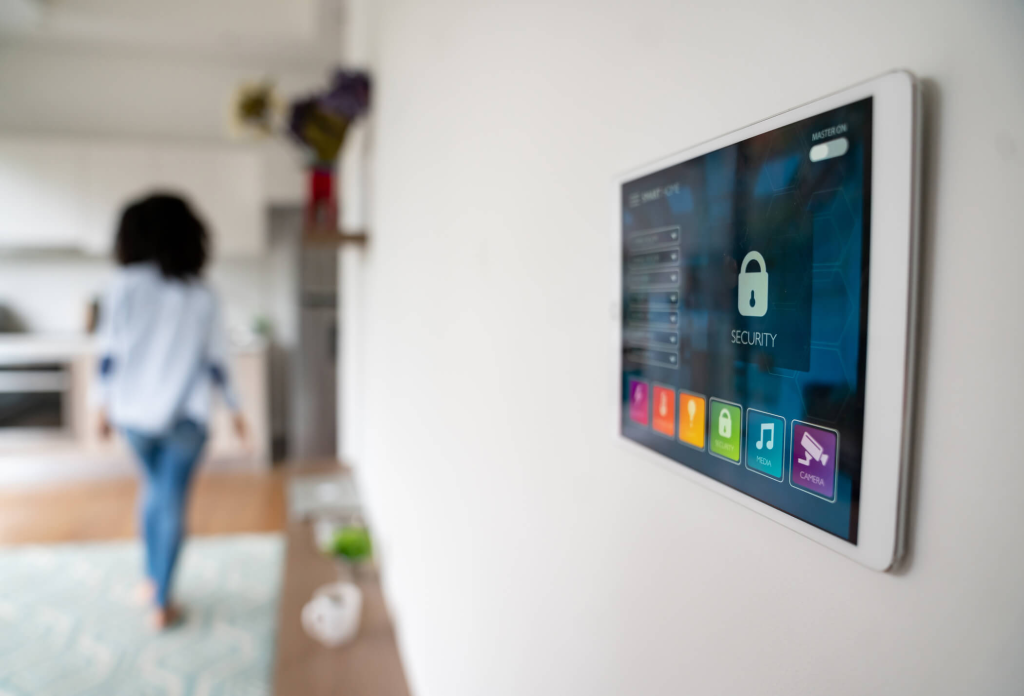
We didn’t buy these devices because we were careless.
We bought them because they promised relief. Less stress. Easier routines. Happier kids. Smoother days. At the time, each purchase felt reasonable — even smart.
But after the excitement faded, some devices quietly stopped being used. Others added more work instead of removing it. And a few created new problems we hadn’t anticipated at all.
What we learned is that regret doesn’t usually come from buying cheap tech.
It comes from buying tech that doesn’t fit how families actually live.
Here are the devices families most often regret buying — and the simpler alternatives that work better in real life.
Devices That Promise to “Fix” Routines
Families often regret devices that claim to automate daily routines completely.
Smart reminders, complex scheduling hubs, or all-in-one systems sound appealing — until they require constant updates, troubleshooting, or learning curves. Instead of simplifying life, they become another system parents have to manage.
Better alternative:
Simple tools that support existing routines instead of replacing them. When tech works quietly in the background, it actually helps.
Kids’ Devices Bought Too Early
Many families regret buying personal devices for kids earlier than planned.
Not because devices are inherently bad — but because once kids have their own screens, boundaries become harder to establish retroactively. Parents often find themselves negotiating rules they wish had been clearer from the start.
Better alternative:
Shared family devices with clear usage times. Shared access builds habits first, independence later.
“Smart” Devices That Create More Monitoring
Some devices require constant checking, adjusting, or supervising.
Parents often regret tech that:
- Sends frequent alerts
- Needs daily oversight
- Creates anxiety instead of reassurance
Instead of feeling supported, parents feel tethered to another dashboard.
Better alternative:
Devices or settings that reduce the need for monitoring altogether. Less data, more peace of mind.
Entertainment Devices That Replace, Not Support, Play
Entertainment-focused devices often get bought with good intentions — especially during busy seasons or travel.
But families frequently regret devices that dominate attention instead of blending into daily life. These devices tend to shorten attention spans and create tension when it’s time to unplug.
Better alternative:
Tools that complement play, learning, or routines — not replace them entirely.
Subscription-Dependent Devices
Another common regret comes from devices that only work well with ongoing subscriptions.
Over time, monthly costs pile up. When subscriptions lapse, devices lose value quickly — and end up unused.
Better alternative:
Devices that retain usefulness without constant payments. Long-term value matters more than flashy features.
Why These Regrets Are So Common
Families don’t regret buying tech because they want less help.
They regret buying tech that:
- Adds mental load
- Requires constant attention
- Doesn’t match real routines
The best tech removes friction. The worst kind just changes where the friction shows up.
Most families don’t regret buying devices.
They regret buying devices that promised simplicity — and delivered complexity.
The best alternatives aren’t always newer or smarter.
They’re clearer, quieter, and easier to live with.
Frequently Asked Questions
How can families avoid tech regret before buying?
Ask how much daily attention the device will require. If it adds monitoring, learning curves, or constant management, it may create more stress than relief.
Are shared devices really better than personal ones for kids?
Often, yes. Shared devices help establish healthy boundaries and expectations before kids manage tech independently.
Does more advanced tech usually mean better results?
Not always. Simple, reliable tools that fit existing routines often work better than feature-heavy devices.
What should families look for instead of flashy features?
Long-term usefulness, low maintenance, and how well the device fits into real daily life.