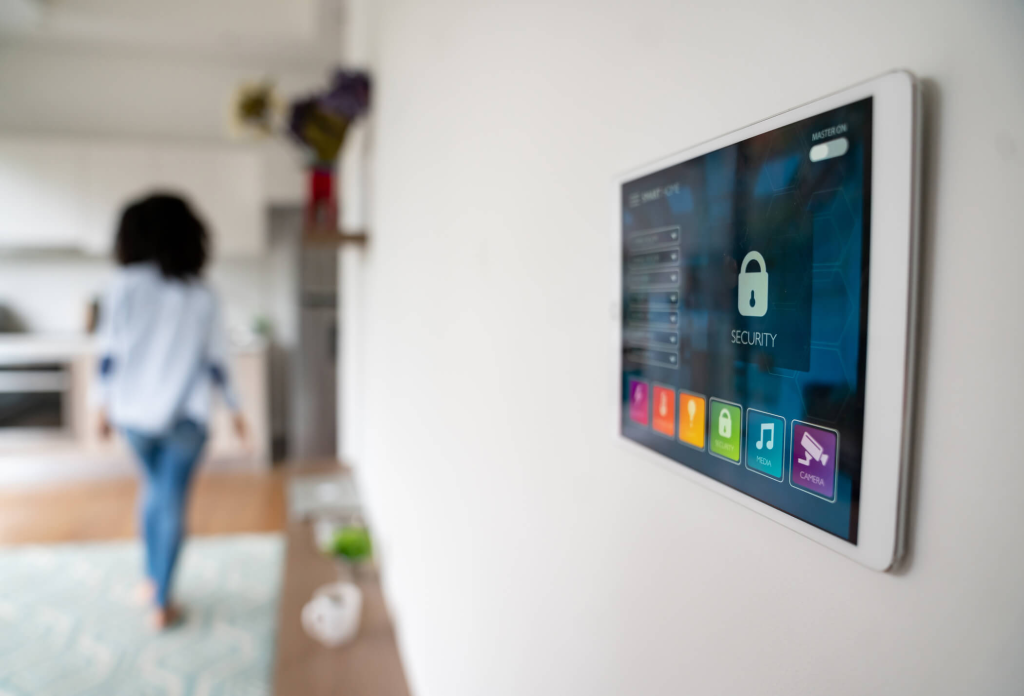
For a long time, our family schedule lived in our heads.
School events, practices, appointments, deadlines — all floating around mentally, waiting to be remembered at the right moment. When something was missed, it didn’t feel like a mistake. It felt like failure.
We tried planners. We tried reminders. We tried being “more organized.”
What finally helped wasn’t trying harder.
It was using the right kind of tech — not to control our time, but to make it visible and predictable for everyone.
Once our schedule stopped being something we carried mentally, daily life felt lighter almost immediately.
Why Family Schedules Feel So Overwhelming
Busy family schedules aren’t just full.
They’re fragmented.
Different schools.
Different activities.
Different adults responsible for different things.
When information is spread across texts, emails, notes, and memory, confusion is inevitable. Parents end up repeating themselves. Kids feel unsure. Everyone feels slightly behind.
The best scheduling tech doesn’t add structure for structure’s sake.
It creates shared clarity.
One Shared Calendar Changes Everything
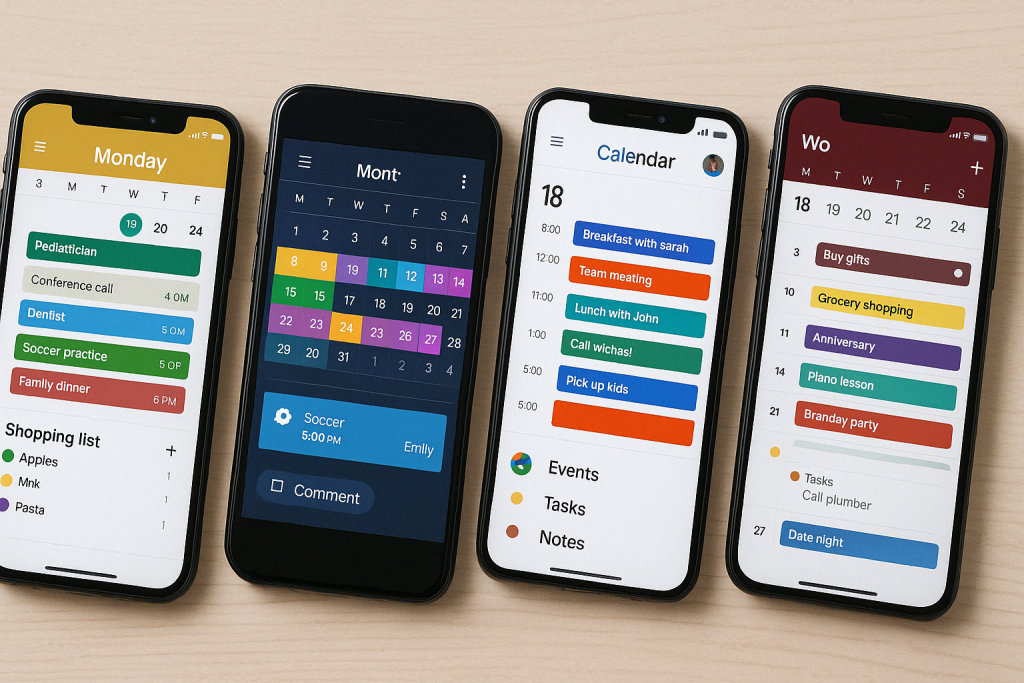
The single biggest improvement for busy families is using one shared digital calendar.
When all events live in one place — visible to everyone who needs it — questions drop dramatically. No more double-booking. No more last-minute surprises. No more “I thought you knew.”
A shared calendar removes the mental burden of remembering and replaces it with a reliable reference point.
Color-Coding Without Overcomplicating
Families often overdo this part.
Simple color-coding works best:
- One color per person or category
- No excessive labels
- Clear visual separation
The goal isn’t perfection — it’s quick understanding. When you can glance at a week and instantly see what’s coming, stress drops.
Automatic Reminders That Replace Nagging
Verbal reminders are exhausting.
Parents often feel like they’re constantly prompting: get ready, leave soon, don’t forget, hurry up. Tech that provides automatic reminders takes that pressure off.
When reminders come from the system instead of a parent, kids respond with less resistance. It feels neutral — not personal.
Scheduling That Supports Routines, Not Chaos
The best scheduling tech works alongside routines.
Instead of reacting to each day as it comes, families build predictable rhythms:
- Similar start times
- Consistent activity blocks
- Clear end-of-day expectations
When schedules support routines, families stop feeling like they’re constantly catching up.
Why Simpler Tech Works Better Than Advanced Tools
Many families assume they need more features.
In reality, advanced scheduling tools often create:
- More setup time
- More maintenance
- More confusion
The tech families stick with is usually simple, reliable, and easy to update. If it takes too long to adjust, it won’t get used.
Consistency beats complexity every time.
The best tech for organizing busy family schedules doesn’t make life rigid.
It makes it visible.
When everyone knows what’s coming and when, families stop reacting and start moving through their days with more confidence and less stress.
Organization isn’t about control.
It’s about shared clarity.
Frequently Asked Questions
What’s the most important tool for family scheduling?
A shared digital calendar that everyone trusts and checks regularly. One clear source of truth matters more than features.
How do we get kids to actually use the schedule?
Make it visible and predictable. When kids see schedules consistently used and referenced, they naturally engage with it.
Is paper planning better than digital for families?
For some families, yes — but digital schedules work best when multiple people need access and updates in real time.
How often should schedules be updated?
Weekly works best for most families. A short weekly reset keeps everyone aligned without constant changes.