Smart home tech sounded like the answer to everything.
Lights that think for you. Devices that automate routines. Systems that promise to save time and reduce stress. For parents juggling work, kids, and daily chaos, it felt like a logical upgrade.
But reality didn’t always match the promise.
Some smart home tools helped immediately. Others added more setup, more troubleshooting, and more mental load. Over time, it became clear that smart home tech only helps parents when it quietly supports real life — not when it tries to control it.
Here’s the smart home tech parents actually find helpful, and why these tools earn a permanent place in family homes.
Smart Tech That Reduces Repetition
One of the biggest drains for parents is repetition.
Turning lights on and off.
Reminding kids to start routines.
Managing the same tasks every single day.
Smart home tools that reduce repetition — especially for predictable actions — quickly become invaluable. When systems run automatically at the same times each day, parents stop acting as constant reminders.
Less repeating means less friction.
Lighting That Supports Routines
Lighting is one of the most quietly helpful smart home upgrades.
When lights signal transitions — morning, evening, bedtime — routines move along with less resistance. Kids respond better to environmental cues than verbal reminders, and parents don’t have to narrate every step of the day.
Good smart lighting doesn’t feel “smart.”
It just feels supportive.
Voice-Controlled Help for Busy Moments
Hands-free help matters more than parents expect.
Voice-controlled tools that handle simple requests — timers, reminders, music, or quick answers — reduce the number of times parents have to stop what they’re doing.
The key is simplicity. Tools that respond quickly and predictably get used. Ones that require perfect commands or constant correction get ignored.
Automation That Protects Focus and Rest
Smart home tech helps most when it protects focus.
Automatic quiet hours, nighttime settings, or device limits reduce stimulation without parents needing to intervene constantly. When the home shifts into a calmer mode automatically, evenings feel less chaotic.
Automation works best when it supports rest — not when it adds more rules to enforce.
Monitoring That Brings Peace, Not Anxiety
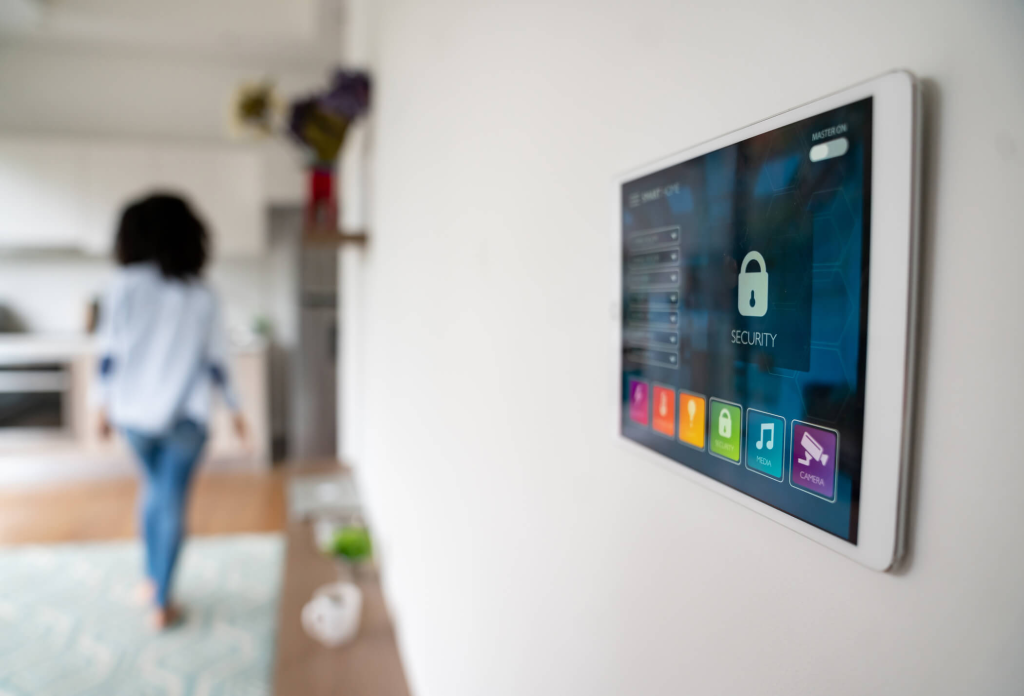
Some smart home tools offer reassurance rather than control.
Parents benefit most from tech that:
- Reduces the need to check constantly
- Provides clear, simple status updates
- Works reliably in the background
When monitoring becomes obsessive or overly detailed, stress increases instead of decreasing. The best tools provide confidence — then fade into the background.
Why These Tools Actually Work
Smart home tech helps parents when it:
- Removes small daily decisions
- Reduces verbal reminders
- Supports routines automatically
- Works consistently without babysitting
When tech adds clarity and predictability, family life feels calmer almost immediately.
Smart home tech doesn’t help because it’s advanced.
It helps because it reduces friction.
The best tools don’t demand attention or constant adjustment. They quietly support daily life so parents can focus on what actually matters — being present, not managing systems.
Frequently Asked Questions
Do smart home devices really save parents time?
Yes — when they automate predictable routines and reduce repetition. Poorly designed systems can do the opposite.
What’s the most useful smart home upgrade for families?
Lighting and routine-based automation often provide the fastest, most noticeable relief.
Can smart home tech increase screen or tech dependence?
Not when used intentionally. The best tools work in the background and reduce the need for screens and manual control.
How do parents avoid overcomplicating smart home setups?
Start small. Add one tool that solves a real daily problem before expanding. If it needs constant attention, it’s not helping.