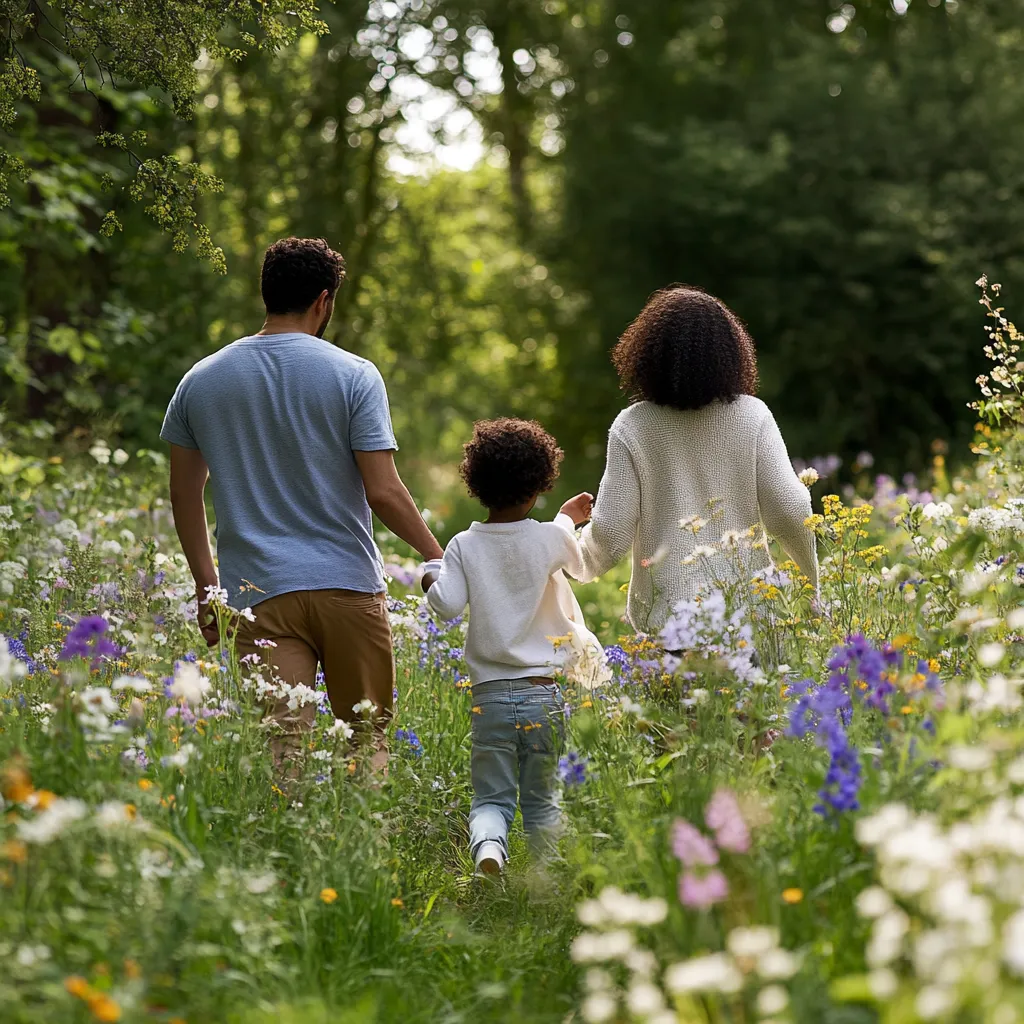

Did you know, while children explore and learn, they might unknowingly harm animals and the environment we strive to protect. Our youngest explorers play a crucial role in conservation.
It’s a misconception that conservation is only for adults. We should be starting early to teach respect and regard for all beings.
Yet, children’s actions can negatively impact the environment. With many endangered species affected by human activities, it’s vital to involve all ages in conservation efforts.
Here are seven surprisingly simple mistakes that children make, which can impact endangered species more than you might think. Learn how to guide your child to become a wildlife savior.

1. Collecting ‘Natural’ Souvenirs
Children often find joy in collecting unique rocks, shells, or flowers during their nature walks. However, each item removed can disrupt the delicate balance of local ecosystems.
Instead, encourage your child to capture their discoveries through photography, drawing or painting. This not only preserves the environment but also nurtures a hobby in nature photography and nature art!
2. Feeding Wild Animals
Feeding wildlife, though often done with good intentions, can lead to unhealthy dependencies and disrupt natural foraging behaviors. Animals fed by humans may become aggressive or unable to hunt and forage as they naturally would.
The wrong foods can of course make animals very ill, too.
Instead, teach children the value of observing wildlife from a distance and the importance of not interfering with their natural diet.

3. Improper Disposal of Litter
Littering is not just unsightly, it’s dangerous for wildlife.
Animals can mistake plastic waste for food, leading to lethal outcomes, or they can become trapped in plastic rings or tin cans.
Emphasize to your child the importance of disposing of waste properly and the role they play in keeping habitats clean and safe for all creatures.
4. Ignoring Conservation Signs
Conservation signs are placed to protect both wildlife and natural landscapes. Explain to children how staying on marked trails and respecting barriers helps preserve natural habitats and ensures the safety of the species that live there.
This is especially important if you have older kids who are starting to do hikes without you or generally get out in nature with their friends rather than as a family.
Ignoring these signs can lead to erosion, disturbed habitats, and other ecological damage.
5. Using Plastic Products
The convenience of plastic is often overshadowed by its long-term impact on the environment. During family outings, model the use of sustainable materials like bamboo utensils or reusable water bottles. Discuss with children how these small changes help reduce the amount of plastic that ends up in our oceans and threatens marine and terrestrial wildlife.

6. Bringing Non-Native Species Home
Again, this is a vital one to teach teens who may be exploring on their own. While exotic animals and plants might seem intriguing, introducing them to your local area can upset ecological balances. Not to mention distress caused by removing small creatures (even insects) from their home environment.
Teach children about the dangers of invasive species and the importance of preserving native biodiversity. Encourage them to explore and appreciate local flora and fauna instead.
7. Disrupting Habitats
Teach children the importance of treading lightly in nature to avoid disturbing animal homes or plant life. Explain how staying on paths and keeping to designated areas helps protect vulnerable species and preserve their environments for future visits.
Conclusion: Inspiring Future Conservationists
When we teach our kids to avoid these simple mistakes, we gradually nurture their innate respect and empathy for nature.
Each small action they take can have a profound impact on preserving our planet. As parents and educators, we have the opportunity to raise not just children, but champions for our environment.
What steps will you take today to involve your little ones in this vital mission?
Stephanie Simmons is an Anglo-American mum of two who is passionate about all things outdoors. She loves camping, outdoor crafting, and all outdoor activities.
Steph believes in getting the kids outdoors no matter the weather!
She created Wild Bloom Families to share her passion for the outdoors with other families.
Getting in nature can transform your physical health, mental health and happiness!