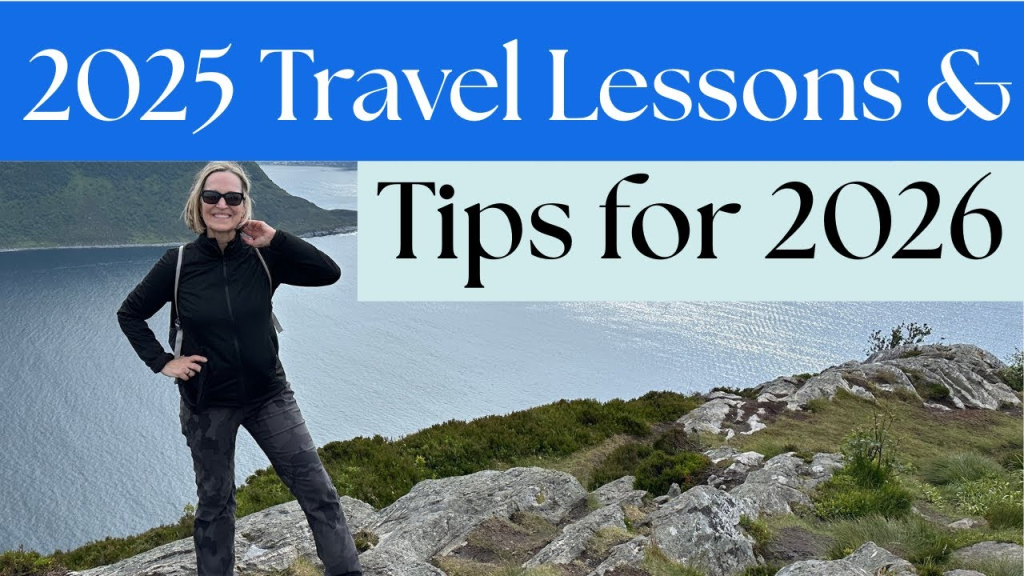
Planning a trip can feel overwhelming, but with the right strategy, it becomes one of the most exciting parts of the travel experience. In 2025, travelers have access to more tools, resources, and insights than ever before, yet many still struggle with where to begin or how to organize their journey effectively. Whether you’re planning your first international adventure or your tenth weekend getaway, the key to stress-free travel lies in preparation, smart decision-making, and a flexible mindset. The perfect trip doesn’t happen by accident—it’s the result of thoughtful planning and informed choices.

Modern travel requires balancing convenience, cost, safety, and personal preference. With global travel trends constantly evolving, taking time to plan carefully ensures you get the most value out of your time and budget. From choosing the right destination to building an itinerary, managing documents, and preparing for unexpected events, this guide walks you through the essential steps to plan the perfect trip in 2025.
Choose the Right Destination for Your Travel Style
The first step in planning a perfect trip is choosing a destination that matches your interests, budget, and travel goals. Some travelers love beaches and warm climates, while others seek out adventure, history, or food experiences. Your destination should reflect the type of experience you’re hoping for.
Consider the following questions when selecting your destination:
- Do you want relaxation or adventure?
- Are you traveling for culture, nature, or nightlife?
- What is your ideal climate and season?
- What is your budget for flights, accommodations, and activities?
In 2025, travelers increasingly value authenticity and slower-paced experiences. Choosing the right place sets the tone for your entire trip.
Research the Best Time to Visit
Every destination has peak seasons, off-seasons, and shoulder seasons. Understanding these helps you avoid crowds, high prices, and unfavorable weather conditions. Shoulder seasons often offer the best balance—good weather, fewer travelers, and better deals.
Before booking, research average temperatures, seasonal events, holidays, and weather patterns. Some places may be cheaper but experience monsoons or extreme heat. Knowing what to expect ensures a more enjoyable experience.
Build a Realistic Travel Budget
A well-planned budget prevents financial stress during your trip. Budgeting isn’t about restricting fun—it’s about making smart choices that allow you to enjoy your travel without worry.
Your budget should include:
- Flights and transportation
- Accommodation
- Food and drinks
- Activities and tours
- Travel insurance
- Emergency funds
- Shopping or souvenirs
Use travel apps or spreadsheets to track expenses. When your finances are organized, you have more freedom to enjoy the experience fully.
Find the Best Flight Deals
Flights are often one of the biggest travel expenses. In 2025, flexible travelers find the best deals by monitoring prices, using comparison tools, and being open to different dates or airports.
Tips for finding the best fares:
- Search for flights early, but not too early
- Compare prices across multiple platforms
- Consider flying midweek instead of weekends
- Look into nearby airports that may be cheaper
- Set up price alerts for your desired route
With the right strategy, you can save hundreds of dollars on flights alone.
Choose the Right Accommodation
Your choice of accommodation can shape your entire trip. From luxury hotels to boutique guesthouses, hostels, and vacation rentals, there are endless options to suit every traveler.
When choosing your stay, consider:
- Location and proximity to attractions
- Safety of the neighborhood
- Access to transportation
- Amenities like free Wi-Fi or breakfast
- Reviews from previous guests
In 2025, travelers are increasingly seeking unique stays—such as eco-lodges, glamping sites, or small family-run inns that provide a personal touch and cultural immersion.
Create a Flexible Itinerary
A perfect itinerary combines structure and spontaneity. Mapping out major activities helps you stay organized, but leaving room for unexpected adventures allows for a richer experience.
When planning your itinerary:
- Identify your must-see attractions
- Group activities by neighborhood to save time
- Avoid packing too much into one day
- Leave free space for rest or spontaneous exploration
- Check opening hours and transportation options
Remember: a good trip isn’t about doing everything—it’s about doing the things that matter most.
Understand Local Culture and Customs
Learning about the culture, customs, and etiquette of your destination enhances your experience and shows respect to locals. Understanding dress codes, tipping practices, and basic manners helps you blend in more comfortably.
Take time to learn:
- Basic greetings
- Dining etiquette
- Local laws and restrictions
- Cultural norms that may differ from your own
Traveling respectfully opens doors to meaningful connections and smoother interactions.
Prepare Your Travel Documents Early
One of the most frustrating travel mistakes is failing to prepare documentation in advance. In 2025, many destinations require digital forms, vaccination proof, visas, or minimum passport validity.
Review these essentials before your trip:
- Passport expiration date
- Entry visa requirements
- Vaccination or health documents
- Digital entry forms or QR passes
- Copies of important documents stored securely
Preparing documents early avoids last-minute stress and ensures stress-free entry to your destination.
Plan Transportation Ahead of Time
Knowing how to get around saves time and prevents confusion. Research transportation options such as buses, trains, taxis, rideshare services, and walking routes.
Pre-book where necessary, especially for airports, long-distance trains, or ferries. Understanding local transport also helps you avoid tourist traps and overpriced services.
Pack Strategically and Travel Light
Packing smart is essential for a comfortable trip. Avoid overpacking by choosing versatile clothing, comfortable shoes, and essential accessories.
Key packing tips:
- Stick to a color theme for easier mixing and matching
- Use packing cubes to stay organized
- Pack only what you will use
- Include a compact day bag for daily outings
- Bring a small travel pharmacy and essential toiletries
Traveling light gives you more flexibility and reduces stress at airports and hotels.
Don’t Forget Safety and Health Precautions
Travel safety is about being prepared but not fearful. Simple actions like knowing emergency numbers, drinking bottled water when necessary, or avoiding unsafe areas can make a big difference.
Always:
- Keep valuables secure
- Stay aware of surroundings
- Listen to local advice
- Have travel insurance
- Carry a small first-aid kit
A safe traveler is a confident traveler.
Embrace the Journey With an Open Mind
The perfect trip is not only about planning—it’s about mindset. Approaching travel with curiosity, patience, and an open attitude makes every moment more enjoyable.
Delays, weather changes, or unexpected challenges are part of the adventure. Staying flexible helps you turn inconveniences into opportunities.
Travel is about discovering new places, new people, and new parts of yourself.