
Screen routines rarely begin as routines.
They often start as habits—something that happens often enough to feel familiar. A show after dinner. Music in the morning. A few minutes of quiet scrolling before bed. Over time, these repeated moments begin to shape the emotional tone of the day.
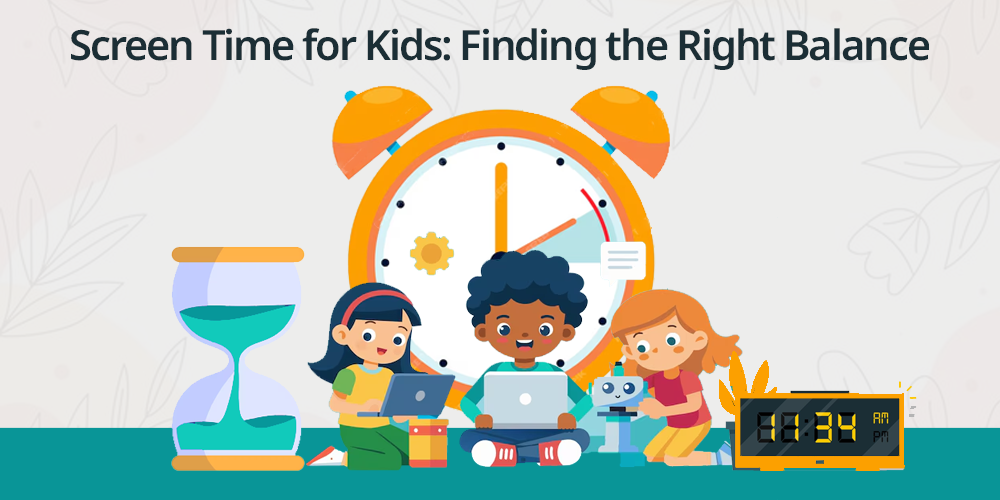
When families talk about wellbeing, screens aren’t always the first thing that comes to mind. Yet how and when screens are used can gently influence energy, mood, and connection. Not dramatically, and not in the same way for every family—but enough to matter.
Screen routines support wellbeing not by limiting life, but by giving it rhythm.
Wellbeing Is Closely Tied to Predictability
Wellbeing thrives on predictability.
Knowing what comes next helps both adults and children feel oriented. It reduces uncertainty and lowers the mental effort required to move through the day.
Screen routines contribute to this predictability when they show up in familiar places. Screens used at roughly the same time, for the same purpose, create a sense of order. There’s less negotiation and fewer surprises.
When screens feel predictable, they stop feeling emotionally charged.
Why Routines Feel Calmer Than Decisions
One reason screen routines support wellbeing is that they reduce decision-making.
Deciding whether screens are allowed over and over again can quietly drain energy. Each decision carries emotional weight, especially when people are tired or rushed.
Routines remove that burden. Screens are used because it’s that part of the day, not because someone said yes or no in the moment.
This shift from decision to routine allows everyone to relax a little more.
Screen Routines Help Mark Transitions
Transitions are often the most demanding moments in family life.
Moving from school to home. From activity to rest. From busy time to bedtime. These shifts require attention to change direction, which can be emotionally taxing.
Screen routines can help mark these transitions when used thoughtfully. A short show signals the start of evening. Music during cleanup helps move from play to calm. A timer gently marks when it’s time to shift.
When screens act as signals rather than destinations, transitions become smoother and less reactive.
Why Timing Matters More Than Duration
When it comes to wellbeing, when screens are used often matters more than how long.
Screens used at times that align with energy levels tend to feel supportive. Screens used when energy is already depleted can feel overstimulating or draining.
Screen routines that match the natural arc of the day—energizing earlier, calming later—support regulation rather than disrupt it.
Wellbeing grows when screens work with the body’s rhythm instead of against it.
Shared Screen Routines Support Connection
Not all screen routines affect wellbeing in the same way.
Shared screen routines often feel different than solo use. Watching something together, listening to music as a family, or looking through photos creates shared experience.
These moments offer connection without requiring conversation or effort. They allow people to be together in a low-pressure way.
Connection is a key part of wellbeing, and shared screen routines can support it gently when they’re intentional.
Screen Routines Create Clear Endpoints
One challenge with screens is that they can feel endless.
Routines help by creating natural beginnings and endings. A show after dinner, not all evening. Music during cleanup, not through bedtime. A short check-in, then devices rest.
Clear endpoints reduce tension because everyone knows what to expect. There’s less need for reminders or negotiations.
Wellbeing improves when endings feel predictable rather than abrupt.
Why Routines Reduce Emotional Friction
Emotional friction often comes from uncertainty.
When screen use changes unpredictably, children may push for more. Adults may feel uneasy or reactive. The screen itself becomes a source of tension.
Routines reduce this friction by setting expectations without constant discussion. Screens aren’t a reward or a conflict. They’re simply part of the flow.
This neutrality supports emotional steadiness throughout the day.
Screen Routines Support Rest When They’re Calming
Wellbeing depends on rest.
Screen routines that support rest tend to be quieter and slower. Music instead of video. Familiar shows rather than stimulating ones. Short, contained use rather than open-ended time.
These choices aren’t about rules. They’re about aligning screens with the body’s need to slow down.
When screen routines support rest, evenings often feel gentler and transitions into sleep feel less abrupt.
Why Consistency Matters for Children
Children feel safer when patterns are clear.
Screen routines provide structure that children can rely on. They know when screens usually happen and when they usually end.
This predictability reduces anxiety and resistance. Children don’t need to ask repeatedly or test boundaries as often.
Wellbeing improves when children feel oriented rather than uncertain.
Adults Benefit From Screen Routines Too
Screen routines aren’t just for children.
Adults also experience reduced mental load when screen use follows patterns. Less checking. Fewer decisions. Clearer boundaries between work, rest, and connection.
Adults often notice improved mood when screens stop interrupting moments meant for rest or presence.
When adults feel more regulated, the entire household benefits.
Screen Routines Reduce Mental Load
One of the most meaningful ways screen routines support wellbeing is by reducing mental load.
There’s less tracking. Less monitoring. Less explaining. Less anticipating reactions.
Screens happen when they usually happen. That’s it.
This simplicity frees up energy for connection, creativity, and rest—key components of wellbeing.
Why Flexibility Still Belongs Inside Routines
Routines support wellbeing best when they allow flexibility.
Not every day looks the same. Some days need more rest. Some need more connection. Screen routines can flex without breaking when families respond thoughtfully.
Flexibility doesn’t undo routine. It keeps it human.
Wellbeing grows when routines support real life rather than demanding perfection.
Screen Routines Help Screens Feel Neutral
When screens are unpredictable, they can feel emotionally loaded.
When they’re part of a routine, they become neutral.
Screens stop being something to negotiate or manage constantly. They become one element of the day, not the focus of it.
This neutrality reduces stress for both adults and children.
Modeling Screen Routines Builds Long-Term Habits
Children learn how to relate to screens by watching adults.
When adults use screens in patterned, intentional ways—checking messages at certain times, putting devices away during others—children absorb that rhythm.
This modeling teaches balance without lectures.
Over time, children develop their own sense of how screens fit into life, which supports long-term wellbeing.
Why Screen Routines Feel Supportive Over Time
Screen routines may not feel impactful at first.
Their benefits accumulate quietly. Less daily tension. Smoother transitions. More predictable moods. Fewer power struggles.
Wellbeing often shows up in what isn’t happening—less frustration, less urgency, less mental noise.
That absence is meaningful.
A Gentle Closing Reflection
How screen routines support wellbeing isn’t about perfection or control.
It’s about rhythm.
When screens appear in predictable, thoughtful ways, they stop competing with family life and start supporting it. They help mark transitions, reduce mental load, and create space for rest and connection.
Wellbeing grows in these small, repeated moments.
Not because screens are managed perfectly, but because they’re woven into daily life with care.
And in that steady rhythm—flexible, familiar, and human—families often find that wellbeing doesn’t need to be chased.
It’s already there, supported quietly by routines that make space for everyone to breathe.