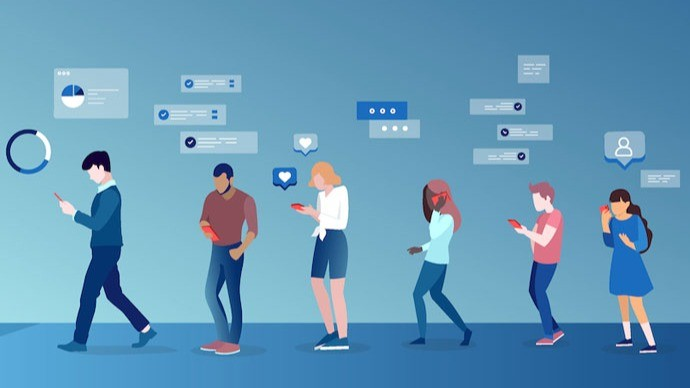
Mental load is rarely visible.
It lives in remembering what needs to happen next, keeping track of who needs what, and holding small details in mind so the day doesn’t unravel. It’s the quiet background work that keeps family life moving, even when no one notices it.
Digital tools often enter this picture without much thought. A calendar here. A notes app there. A reminder set in passing. Over time, some of these tools begin doing important work behind the scenes.
When used thoughtfully, digital tools don’t just organize tasks. They reduce mental load by carrying pieces of life that no longer need to live in someone’s head.
Mental Load Is About Remembering, Not Doing
Many people think mental load is about how much there is to do.
In reality, it’s about how much there is to remember.
Appointments that haven’t happened yet. Supplies that will run out soon. Messages that need sending. Decisions that must be made later. Holding all of this mentally takes energy, even when nothing is actively happening.
Digital tools reduce mental load when they take on the remembering part. They free the mind from constant tracking so attention can return to the present moment.
How Holding Less in Your Head Changes the Day
When fewer things are mentally tracked, the day feels different.
There’s less background tension. Fewer sudden moments of panic when something almost slips through the cracks. More space to focus on what’s happening now.
This isn’t because life becomes simpler overnight. It’s because the brain isn’t juggling as much unseen responsibility.
Digital tools that reduce mental load work quietly. You don’t feel them working. You feel the absence of strain.
Calendars That Replace Mental Tracking
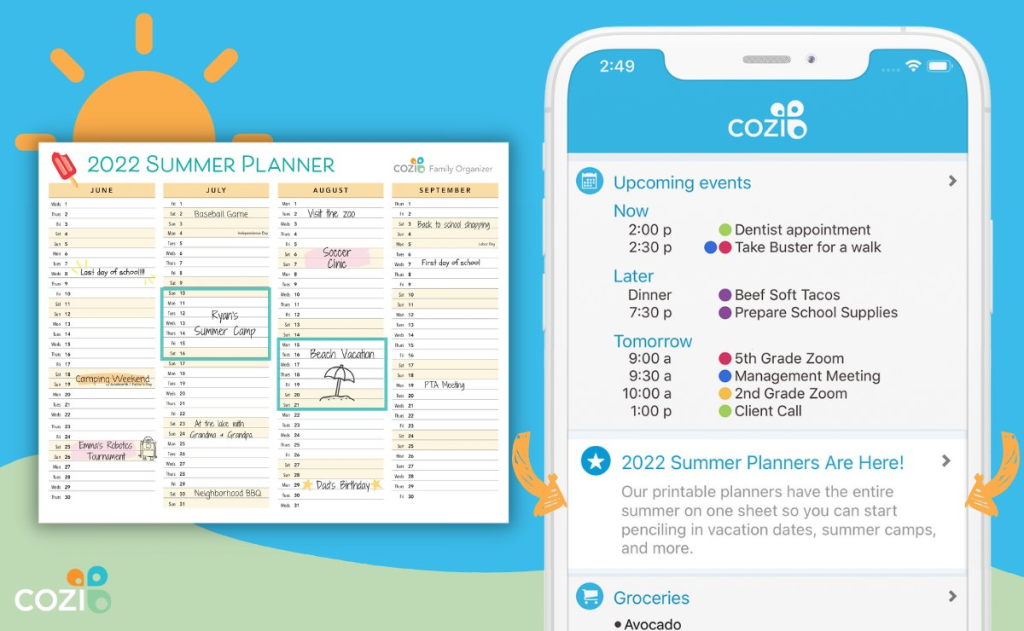
One of the most powerful ways digital tools reduce mental load is through shared calendars.
Instead of remembering dates, times, locations, and overlaps, that information lives somewhere accessible. It doesn’t need to be recalled. It can be checked.
This shift matters. The brain no longer has to rehearse upcoming events to avoid forgetting them. It trusts the system to hold that information.
Trust is key. When a tool reliably remembers, the mind can let go.
Why Shared Visibility Matters
Mental load increases when information is held by one person alone.
Shared digital tools reduce this imbalance. When calendars, schedules, or plans are visible to everyone, responsibility is distributed naturally.
Fewer questions need answering. Fewer reminders need giving. Fewer clarifications are required.
Digital tools reduce mental load not by doing everything, but by making information available without repeated effort.
Notes Apps as External Memory
Many families use notes apps without realizing how much mental work they’re offloading.
Grocery lists. School reminders. Ideas to revisit later. Things that don’t need action now, but shouldn’t be forgotten.
By writing something down, the brain receives permission to release it. There’s no need to keep circling back mentally to make sure it’s remembered.
This external memory reduces background noise. The mind feels clearer because it’s no longer acting as a storage unit.
Reminders That Replace Vigilance
Without support, mental load often shows up as vigilance.
Constantly checking the time. Watching the clock. Running through mental checklists. Staying alert so nothing is missed.
Digital reminders replace this vigilance. They allow the brain to relax until action is actually required.
When reminders are well-timed and reliable, they reduce the need for constant monitoring. Attention becomes available for rest, conversation, or creativity instead.
Why Predictable Tools Lower Cognitive Effort
Digital tools reduce mental load most effectively when they are predictable.
Predictable tools behave the same way every time. They don’t require re-learning. They don’t surprise. They don’t ask for decisions about how to use them.
This consistency reduces cognitive effort. The brain doesn’t have to think about the tool itself, only about the task it supports.
Unpredictable tools do the opposite. They demand attention, which adds to mental load rather than reducing it.
How Fewer Tools Can Mean Less Load
It’s easy to assume that more tools will lighten the load.
In practice, too many tools often increase it.
Each new app adds another place to check, another system to remember, another decision about where information belongs. Even helpful tools can add mental work if they fragment information.
Digital tools reduce mental load most effectively when they consolidate rather than multiply. One reliable place is often better than several specialized ones.
Decision Fatigue and Digital Simplicity
Mental load is closely tied to decision fatigue.
Every choice, no matter how small, uses energy. Digital tools that simplify family life reduce the number of choices required throughout the day.
Which app to open. Where information lives. How to find what’s needed. When these decisions are eliminated, energy is preserved.
Simplicity isn’t about minimalism for its own sake. It’s about reducing unnecessary decisions so attention can go where it matters.
How Digital Tools Support Transitions
Transitions are mentally demanding.
Shifting from one activity to another requires planning, timing, and coordination. Digital tools reduce mental load during these moments by providing clarity.
Navigation tools remove uncertainty about travel. Timers signal what’s coming next. Shared schedules prevent last-minute confusion.
By supporting transitions, digital tools reduce the need for mental rehearsal and contingency planning.
The day flows more smoothly because fewer adjustments are needed.
Children and Reduced Mental Load
Children benefit when mental load is reduced, even if they don’t name it that way.
Clear schedules. Predictable routines. Shared information. These reduce confusion and anxiety, especially during transitions.
When digital tools hold structure, adults can respond more calmly. That calm transfers to children.
Reducing mental load isn’t just an adult benefit. It shapes the emotional tone of family life.
Why Mental Load Feels Lighter With Familiar Tools
Familiarity plays an important role in reducing mental load.
When tools are familiar, using them requires less thought. The brain doesn’t have to figure out how something works before using it.
This is why long-used tools often feel easier than new, feature-rich ones. Familiarity reduces friction and speeds up small tasks.
Over time, these small efficiencies add up to noticeable relief.
Letting Go of the Need to Remember Everything
One of the hardest parts of mental load is the belief that remembering is part of responsibility.
Digital tools challenge that belief gently. They show that remembering can be shared with systems designed for it.
Letting go doesn’t mean disengaging. It means trusting support.
When digital tools are reliable, the mind learns it doesn’t need to carry everything alone.
When Digital Tools Add to Mental Load
Not all digital tools reduce mental load.
Tools that require constant upkeep, frequent decisions, or regular monitoring can add strain. Notifications that demand attention, updates that change behavior, and systems that feel fragile increase cognitive burden.
Families often sense this instinctively. If a tool creates tension instead of relief, it’s likely adding mental load rather than reducing it.
Listening to that signal is important.
Choosing Tools That Truly Help
Digital tools reduce mental load when they are stable, predictable, and aligned with daily routines.
They help when they replace mental tracking, not when they add new responsibilities. They support when they are quiet, not when they compete for attention.
The best tools feel almost invisible.
A Gentle Closing Reflection
Mental load doesn’t disappear when life gets simpler.
It lightens when support gets smarter.
Digital tools, used thoughtfully, can hold schedules, remember details, and signal transitions so the mind doesn’t have to. They create space for presence by taking on the background work of daily life.
When technology reduces mental load, it does its job well.
It helps quietly, reliably, and without asking for recognition.
And in that quiet support, families often find more room to breathe, think, and simply be together.