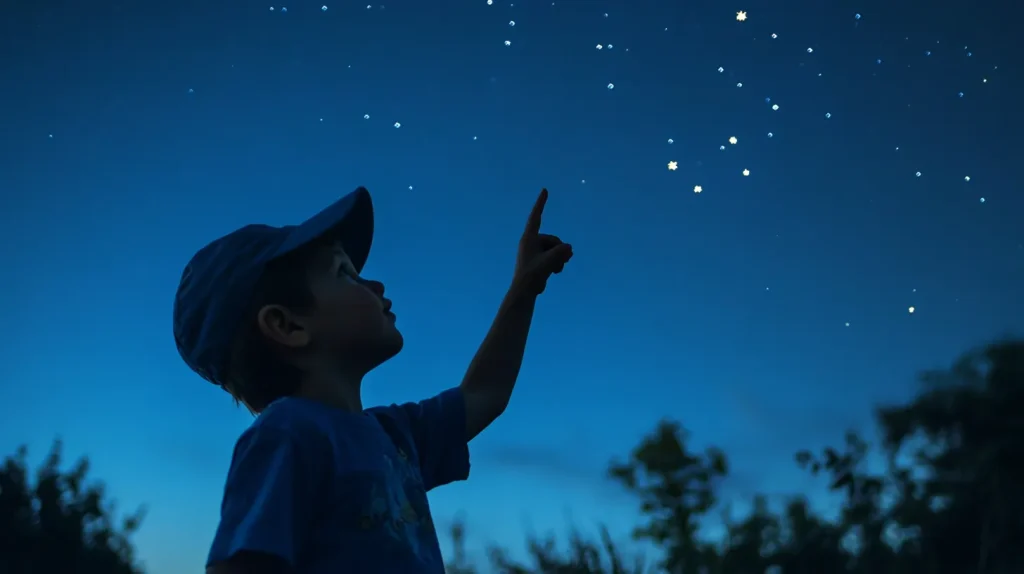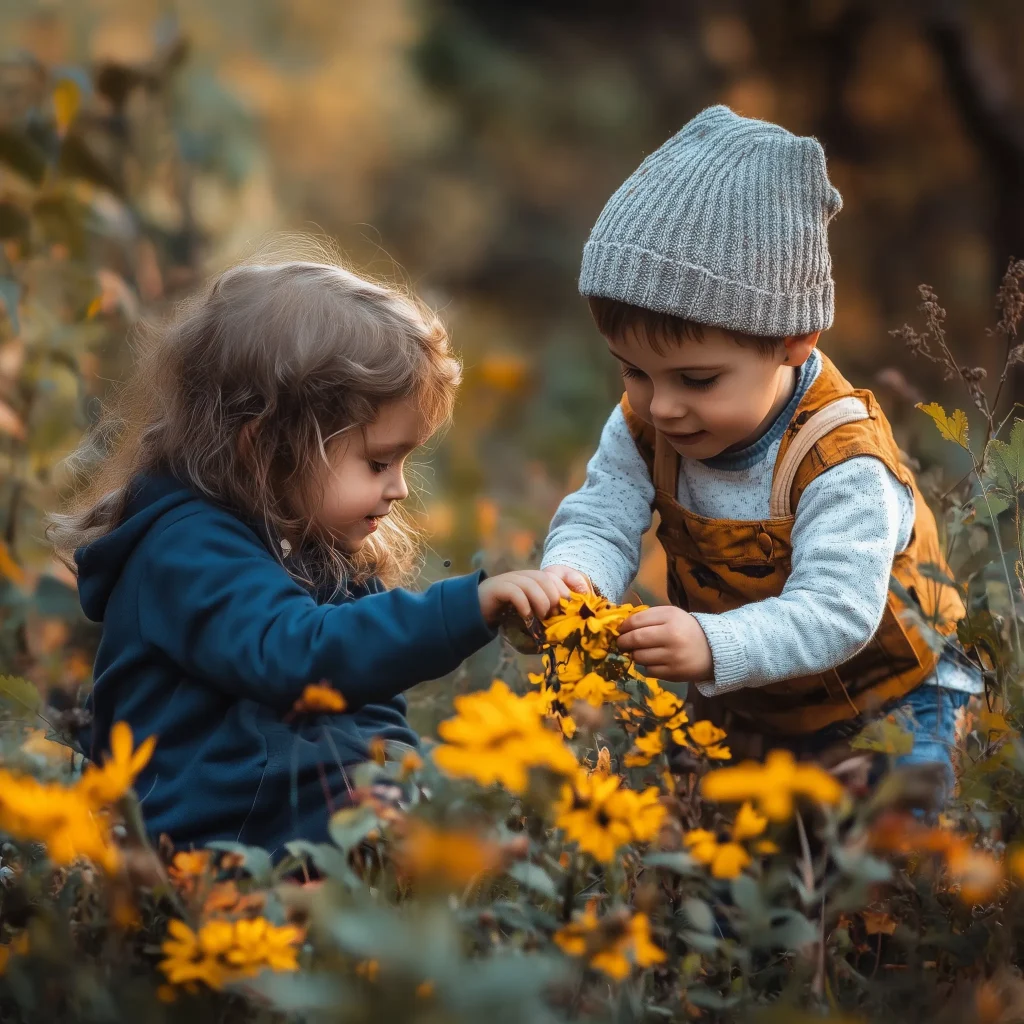

Ever since I started organizing nature scavenger hunts with my kids when they were younger, I’ve discovered they’re one of the best ways to get children excited about the outdoors.
There’s something magical about watching little ones transform into nature detectives, hunting for treasures like heart-shaped leaves or spotting animal tracks in the mud.
If you’re looking for a fun family activity that gets everyone moving and learning, let me share what I’ve learned about creating the perfect eco scavenger hunt.

Keep It Simple and Fun
You don’t need elaborate plans or fancy equipment to create an awesome hunt. Your local park, a nearby trail, or even your backyard can become an exciting adventure spot. The key is making it feel special – maybe start with a quick “explorer’s meeting” where everyone gets their mission for the day!
Choose Your Adventure Spot
Pick somewhere that’s easy to get to and has plenty to discover. We love using local parks because they’re familiar enough that the kids feel confident, but still full of surprises. Before you go, take a quick walk through the area yourself if you can – this helps you plan better and spot any great hiding spots or interesting natural features to include in your hunt.

Make Your Scavenger List
Here’s what works well for us:
- Natural treasures: pinecones, interesting leaves, smooth stones
- Colors in nature: something green, brown, or yellow
- Signs of wildlife: feathers, tracks, nibbled leaves
- Sensory experiences: something soft, rough, or smooth
- Seasonal items: spring flowers, autumn leaves, or winter berries
Add Some Magic with a Theme
Kids love when there’s a story behind the hunt. You could be:
- Nature Scientists collecting specimens
- Wildlife Photographers on a mission
- Forest Helpers checking on the health of trees
- Botanical Artists gathering inspiration
Keep Everyone Safe and Happy
A few simple tips that make a big difference:
- Bring water and snacks (hungry explorers aren’t happy explorers!)
- Pack some hand sanitizer and basic first aid supplies
- Set clear boundaries for where kids can explore
- Make sure everyone knows the “come back” signal

Make It Educational (But Don’t Tell Them That!)
There are so many natural learning moments in a scavenger hunt:
- Count how many different bird songs you hear
- Look for patterns in leaves and bark
- Sort findings by size, shape, or color
- Learn to identify common plants and trees
Document Your Discoveries
Bring along a camera or sketch pad to record your findings. My kids love taking pictures of their discoveries and making a little nature journal when we get home. It’s amazing to look back through these and see how their observation skills develop over time.
Fun Ways to End the Hunt
End your adventure with something special:
- Have a little award ceremony for interesting finds
- Create nature art with gathered items (and photograph it before leaving everything behind)
- Share favorite moments while enjoying a picnic
- Plan your next outdoor adventure together
Tips for Different Ages
- Little ones (2-4): Keep it simple with colors and basic shapes to find
- School age (5-8): Add counting challenges and simple identification tasks
- Older kids (9+): Include more complex nature facts and photography challenges

Making It Earth-Friendly
Turn your hunt into a lesson in caring for nature:
- Always leave things as you found them
- Take photos instead of collecting living things
- Pick up any litter you spot (bring gloves and a bag)
- Talk about why we need to protect natural spaces
Going Digital (If You Want To)
While I love keeping things simple, sometimes adding a bit of technology can be fun:
- Take photos to identify plants later
- Record bird songs to learn what they are
- Make a digital nature journal
- Create a photo collage of your findings
When Things Don’t Go as Planned
Sometimes the best memories come from when things go a bit wrong! That time we got caught in the rain? Now it’s one of our favorite stories. The key is to stay flexible and remember that nature has its own schedule – sometimes the unexpected discoveries are the best ones.
Remember, there’s no “perfect” way to do a nature scavenger hunt. The most important thing is getting outside together and having fun. Start simple, see what works for your family, and build from there. Before you know it, you’ll have your own collection of family nature adventures to look back on!
Stephanie Simmons is an Anglo-American mum of two who is passionate about all things outdoors. She loves camping, outdoor crafting, and all outdoor activities.
Steph believes in getting the kids outdoors no matter the weather!
She created Wild Bloom Families to share her passion for the outdoors with other families.
Getting in nature can transform your physical health, mental health and happiness!