Most apps arrive with big claims.
They promise smoother days, better organization, more focus, or easier family life. The descriptions sound helpful, sometimes even comforting. And for a while, it feels like they might deliver.
Then weeks pass. Notifications pile up. The app goes unopened. Eventually, it gets deleted.
Yet a few apps stay. Quietly. Reliably. Often doing more than they ever promised.
Why So Many Apps Fall Away
The apps that don’t last usually share something in common.
They ask for ongoing effort. Regular input. Frequent decisions. A level of attention that family life can’t always spare.
Parents download them hoping for ease, but instead find another system to manage. Over time, that extra layer becomes more than it’s worth.
What remains are apps that fit into life as it is, not as it’s imagined.
The Difference Between Promises and Practice
Apps that stick rarely advertise dramatic change.
They don’t claim to fix routines or transform habits. Instead, they focus on one simple function and do it well.
In practice, this simplicity allows them to expand naturally. Parents find themselves using them in ways they didn’t anticipate, because the app leaves room for flexibility.
That’s where the real value shows up.
The Calendar App That Becomes a Family Anchor
A shared calendar often promises basic scheduling.
Over time, it does more. It becomes the place where family rhythms live. School events, appointments, practices, reminders, and even personal notes coexist.
Parents stop wondering what’s coming up. Children learn what to expect. Everyone shares the same reference point.
What began as a scheduling tool turns into a source of calm.
The Notes App That Grows With Real Life
A simple notes app doesn’t promise much at all.
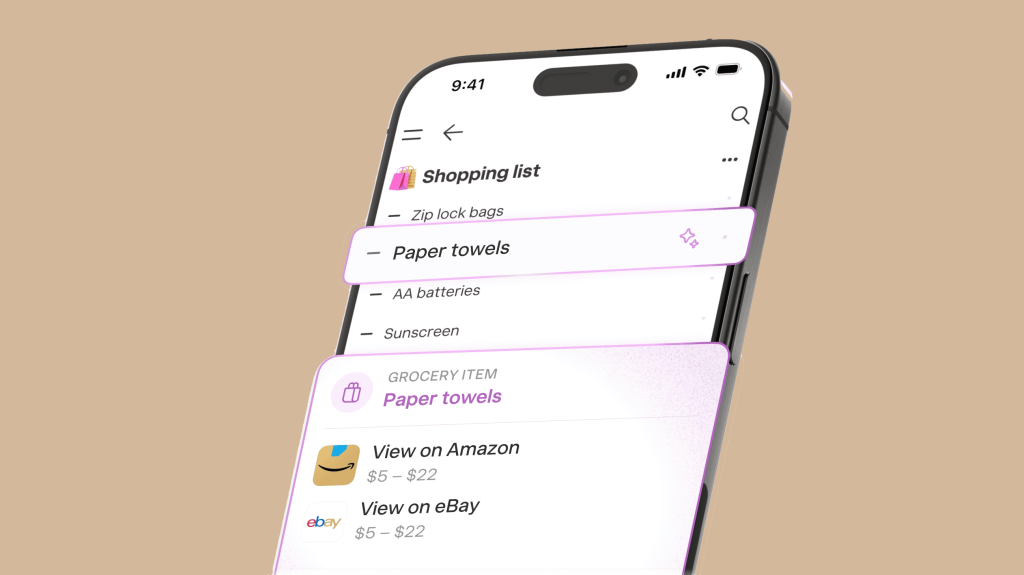
Yet it often becomes indispensable. Grocery lists, reminders, ideas, school details, and passing thoughts all land there.
Because it doesn’t demand structure, it adapts to changing needs. Parents return to it again and again, trusting it to hold information without pressure.
It sticks because it supports thinking, not managing.
The Messaging App That Becomes Emotional Infrastructure
Messaging apps promise communication.
In family life, they deliver far more. Quick check-ins. Shared photos. Coordination with caregivers. Reassurance during long days.
These apps become emotional infrastructure, connecting people across distance and busy schedules.
They stick because they support relationships, not just logistics.
The Photo App That Becomes a Time Capsule
Photo apps often promise storage.
What they deliver is memory.
Parents return to photos not because they’re prompted, but because they want to remember. Growth. Milestones. Ordinary days that mattered.
The app stays because it holds meaning without demanding engagement.
The Music App That Shapes the Day
Music apps promise entertainment.
In practice, they shape moods and routines. Morning playlists. Background music during chores. Calm sounds in the evening.
By supporting different emotional states throughout the day, one app replaces several others.
It sticks because it adapts to family rhythms effortlessly.
Why These Apps Stay When Others Don’t
The apps that do more than they promise share a few traits.
They respect attention. They don’t overwhelm with features. They allow users to define how they’re used.
Most importantly, they don’t insist on being noticed. Their value is felt through absence of friction rather than presence of excitement.
When Less Functionality Means More Use
Parents often assume more features equal more usefulness.
In reality, the opposite is often true. Apps with fewer options are easier to return to. They require less re-learning and fewer decisions.
This ease builds trust. And trust keeps apps installed.
How Families Discover What Actually Sticks
Most families don’t analyze their apps intentionally.
They notice what they open without thinking. What they rely on during busy moments. What they’d miss if it disappeared.
Those apps tend to be the ones doing more than they promise.
Why Children Respond Well to These Apps
Children benefit from consistency.
Apps that stick offer predictable interfaces and familiar routines. There’s less confusion about where to find things and fewer transitions between platforms.
This stability supports independence and reduces frustration.
The Quiet Value of Reliability
Reliability doesn’t sound exciting.
But in family life, it’s invaluable.
Apps that load quickly, work consistently, and don’t constantly change earn a place through dependability. They don’t need to impress. They need to show up.
Choosing Apps With Staying Power
Over time, parents often develop a quieter approach to new apps.
Instead of asking what’s new, they ask what fits. What integrates smoothly. What supports daily rhythms without extra effort.
Apps that can answer those questions positively tend to stay.
A Gentle Reflection
Apps that do more than they promise rarely shout about it.
They don’t offer grand solutions or bold transformations. They simply make daily life a little easier, again and again.
In a family life full of movement, change, and connection, those are the tools that last.
Not because they promised the most, but because they quietly delivered where it mattered.