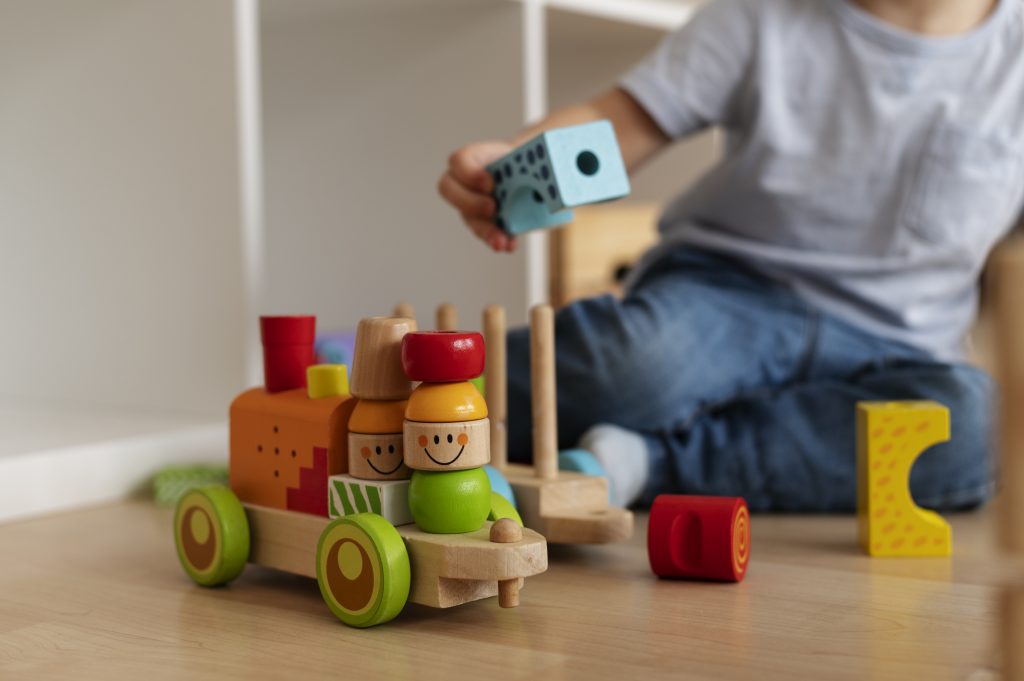
It often begins in a moment so ordinary it almost slips by.
A child pauses before climbing a step alone. They try to pour water without help. They keep drawing even after the paper tears.
No one announces that confidence is forming. And yet, something steady is taking shape.
For many families, confidence grows quietly, tucked inside everyday routines. Children are not always aware it’s happening, but each small experience leaves a mark.
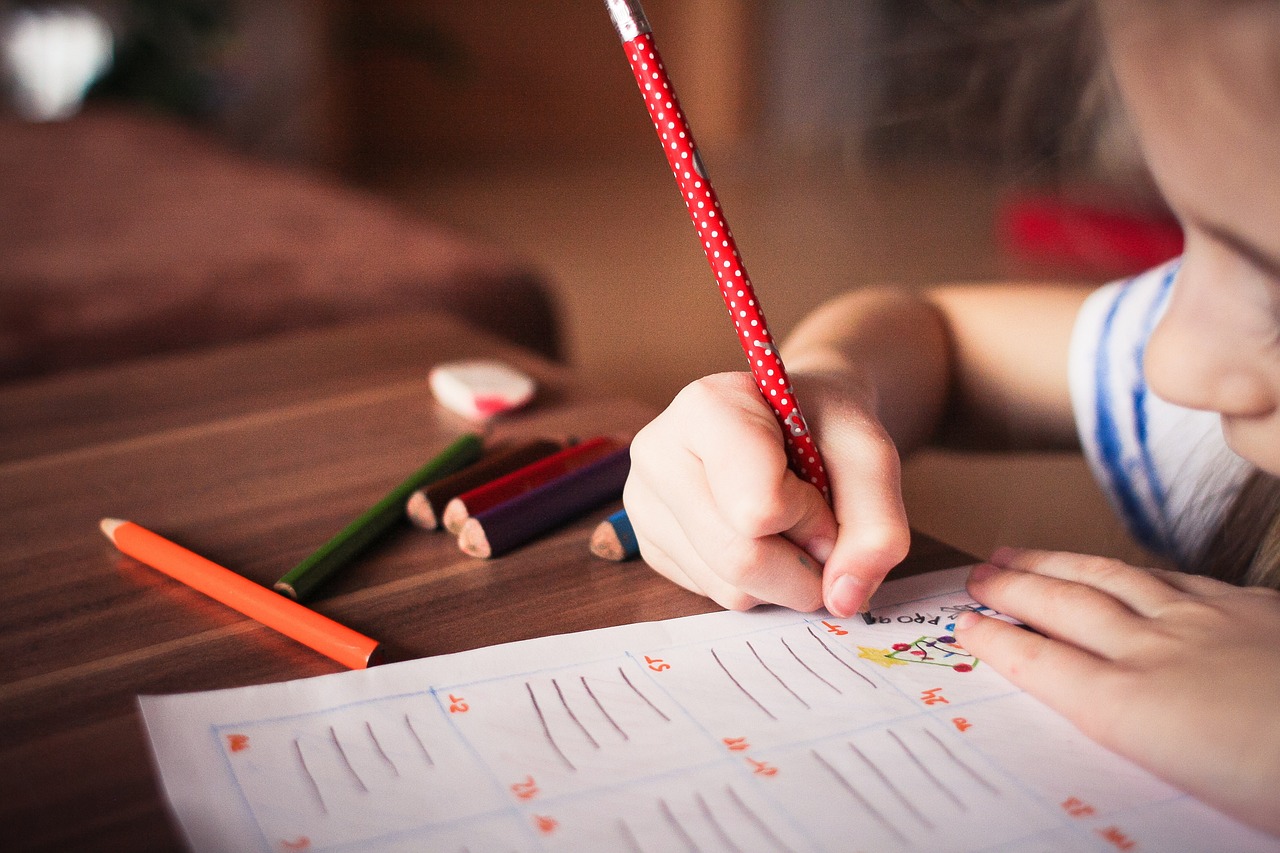
Understanding how children build confidence without realizing it helps parents notice progress that doesn’t always look dramatic.
Confidence Starts With Trying, Not Certainty
Children rarely feel confident before they begin. More often, confidence appears after they try.
The act of starting something new—without knowing the outcome—teaches them that uncertainty can be tolerated.
Each attempt becomes a quiet reference point. The child may not remember the details, but they remember the feeling of staying with something.
Over time, these memories collect. They form a sense of inner steadiness that makes future challenges feel more manageable.
Why Everyday Effort Matters So Much
Confidence grows fastest in ordinary situations. This is because everyday tasks feel relevant and real.
When a child helps set the table or puts on their shoes, the outcome matters to them. The effort feels meaningful.
These moments teach cause and effect in a gentle way. They also teach children that their actions make a difference.
This sense of impact is essential to confidence. It tells a child, What I do matters here.
Familiar Routines Create Emotional Safety
Routines reduce mental strain. When children know what to expect, their energy can shift toward learning.
A predictable day allows space for experimentation. Children feel freer to try when the environment feels steady.
This is one of the quieter ways children build confidence without realizing it. Stability gives effort somewhere safe to land.

Practice Works Best When It Feels Natural
Children practice skills constantly, though it may not look intentional.
They repeat stories, replay games, and recreate moments from their day. This repetition builds familiarity.
Familiarity reduces hesitation. When something feels known, children approach it with less resistance.
Practice that feels self-directed also strengthens confidence. The child feels ownership over the effort.
What Children Learn From Emotional Responses
Children pay close attention to emotional tone.
They notice how adults respond to mistakes, delays, and frustration.
When effort is acknowledged calmly, children learn that difficulty is part of learning—not a signal to stop.
This shapes how they respond internally. Over time, they become more willing to stay engaged even when something feels challenging.
Confidence Also Grows Through Recovery
Moments of disappointment are part of the process.
What matters most is what happens afterward.
When children return to an activity after stepping away, they discover they can recover and continue.
This experience builds emotional flexibility. It teaches them that progress does not require perfection.

A Calm Way to See Confidence Forming
Confidence rarely arrives all at once.
It forms through repetition, familiarity, and gentle encouragement woven into daily life.
When you notice how children build confidence without realizing it, everyday moments take on new meaning.
The quiet effort, the pauses, and the returns all matter.
Over time, these experiences shape a child’s belief that they can try, adjust, and continue—without needing certainty first.
AI Insight: Many people observe that confidence tends to grow gradually through everyday experiences rather than through standout moments.