Decluttering is often described as a practical task.
Clearing surfaces, sorting belongings, creating space. Families usually begin with the idea that decluttering will make the home easier to manage. Fewer things, less mess, smoother days.
What many families don’t expect is how strongly decluttering affects relationships.
As space opens up, dynamics shift. Conversations feel different. Tension moves differently. Daily interactions subtly change, not because anyone intended them to, but because the environment is no longer shaping behavior in the same way.
Decluttering changes family dynamics not by altering people, but by changing the background they’re living in.
One of the first changes families notice is a quieter emotional tone.
When there’s less visual and physical clutter, the nervous system settles more easily. Small irritations don’t stack as quickly. The home feels less demanding.
This calm influences how family members speak to one another. Tone softens. Reactions slow down. People feel less on edge without knowing exactly why.
The environment stops amplifying stress, and relationships feel less reactive as a result.
Another shift happens around shared space.
When rooms are less crowded with objects, they become easier to use together. Sitting down, gathering, or moving through the space doesn’t require negotiation or adjustment.
Families often notice they spend more time together in shared areas simply because those areas feel more inviting.
Connection increases not because of intention, but because the space allows it.
Decluttering also changes how conflict shows up.
Clutter often acts as a silent stressor. When it’s present, small disagreements can escalate faster. When it’s reduced, there’s more emotional margin.
Families still disagree, but the intensity often drops. There’s more room to pause, listen, and recover.
The absence of environmental pressure allows emotional responses to stay smaller.
Parents often notice changes in their own behavior first.
With less to manage visually and physically, adults carry less mental load. They don’t feel as responsible for constantly organizing, reminding, or correcting.
This reduction in background responsibility changes how parents show up.
They feel more patient, more present, and less reactive, which directly affects family dynamics.
Children respond to decluttering in their own ways.
With fewer belongings competing for attention, children often feel more oriented. They know where things go and how spaces are used.
This clarity supports independence. Children move through their day with more confidence and less friction.
Families often notice fewer power struggles simply because the environment is easier to understand.
Decluttering also affects transitions.
Leaving the house, starting meals, or settling down becomes smoother when there’s less to navigate. These moments, which often spark tension, begin to feel lighter.
As transitions soften, daily interactions feel less rushed and less sharp.
The day moves more gently, and relationships follow that pace.
Another noticeable shift is how responsibility feels shared.
When clutter is reduced, systems become clearer. Family members know where things belong and how spaces function.
This clarity distributes responsibility more evenly. One person no longer carries the invisible work of managing everything.
Families often experience a sense of relief as the home itself starts to support shared effort.
Decluttering can also change how families spend time together.
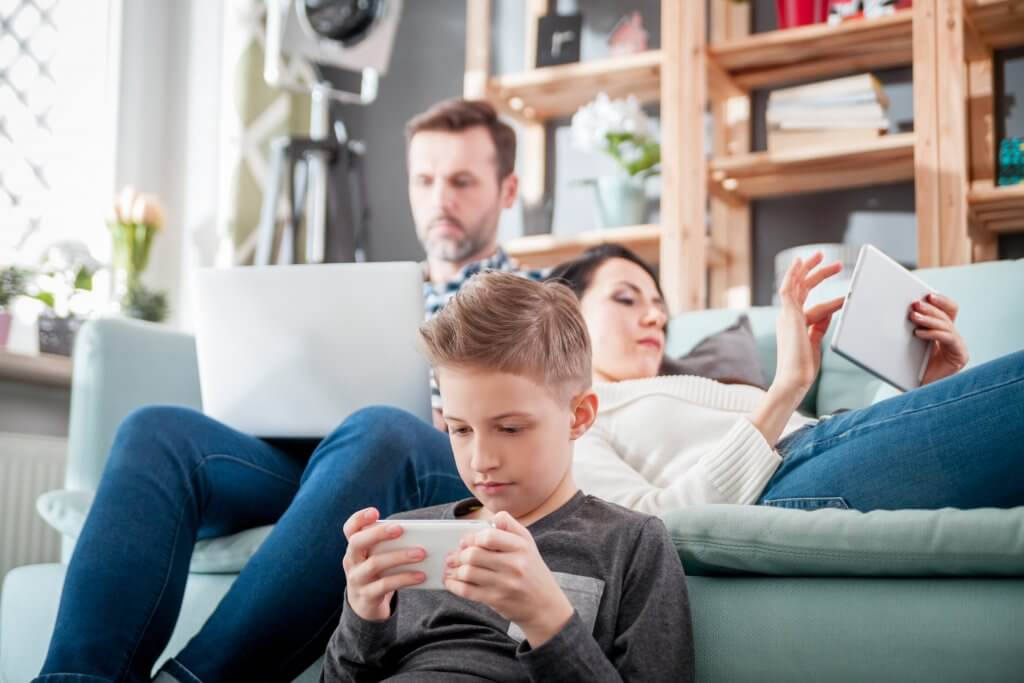
With fewer distractions pulling attention away, it becomes easier to notice one another. Conversations linger. Quiet moments feel comfortable.
The absence of excess creates space—not just physically, but relationally.
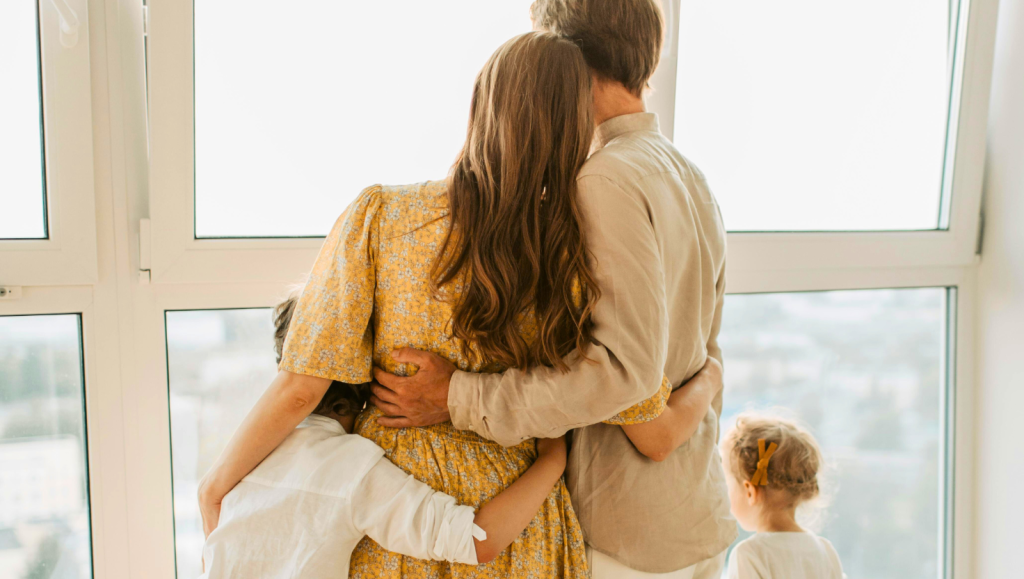
Families often feel closer without doing anything new.
Emotional safety often increases as well.
When the environment feels predictable and manageable, people feel less guarded. There’s less background tension and fewer signals that something needs to be fixed.
This safety allows emotions to move through the family without becoming overwhelming.
Members feel more at ease being themselves in shared spaces.
Decluttering also shifts how mistakes are handled.
In less cluttered environments, small messes don’t feel catastrophic. There’s room to recover without stress.
Families often notice that responses to spills, interruptions, or disorder become calmer.
The home feels more forgiving, and relationships soften as a result.
Importantly, decluttering doesn’t create distance.
Some families worry that fewer belongings might make the home feel empty or impersonal. In practice, the opposite often happens.
What remains becomes more visible and more appreciated. Meaningful objects stand out. Shared spaces feel intentional.
Family identity becomes clearer, not diluted.
Over time, the effects of decluttering become less noticeable because they become normal.
Days feel smoother. Interactions feel steadier. The home feels easier to live in.
Families often only recognize the shift when returning to a more cluttered environment and feeling the contrast immediately.
The change isn’t dramatic. It’s foundational.
A Gentle Closing Reflection
How decluttering changes family dynamics isn’t about creating order for its own sake.
It’s about removing quiet sources of pressure so relationships have more room to breathe.
When the environment asks for less attention, families have more to give each other. Tone softens. Patience increases. Connection happens more naturally.
Many families discover that decluttering didn’t change who they were.
It changed how it felt to be together.