
Big changes often get the credit.
New systems. Fresh starts. Overhauls meant to fix what feels overwhelming. Families may imagine that if daily life feels rushed or heavy, something major must shift to make it better.
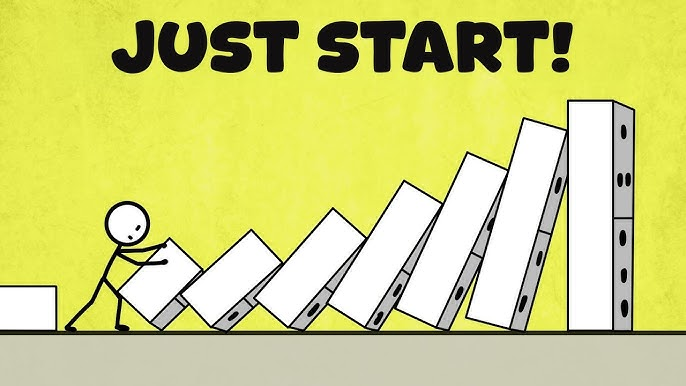
Yet many families notice something quieter over time.
Daily life often improves not through big changes, but through small structural adjustments—subtle shifts in how time, space, or routines are held. These changes don’t transform life overnight. They make it easier to live inside it.
Structure Is About Support, Not Control
Structure is sometimes misunderstood as rigidity.
In reality, helpful structure supports daily life rather than constraining it. It answers small questions before they need to be asked. It creates a gentle framework that holds movement, decisions, and transitions.
When structure is supportive, it reduces effort.
Families often find that small structural changes feel relieving because they remove friction without demanding more energy.
Small Changes Reduce Mental Load
Much of daily strain comes from mental tracking.
Remembering what comes next. Managing transitions. Holding loose ends in mind. Small structural changes reduce this load.
A clearer sequence. A designated place. A predictable rhythm. These changes take tasks out of the mind and place them into the environment.
Daily life feels lighter when the mind doesn’t need to hold everything together.
Structure Makes Transitions Easier
Transitions are where stress often appears.
Moving between activities, roles, or parts of the day requires adjustment. Without structure, transitions can feel abrupt or disorienting.
Small structural changes—like a consistent order or a familiar pause—soften these shifts.
Families often notice that days flow more smoothly when transitions are supported instead of rushed.
The Body Responds to Predictability
Structure doesn’t just help mentally.
The body responds strongly to predictability. Repeated cues help regulate energy, attention, and emotion.
When daily patterns become familiar, the body relaxes. It doesn’t need to stay alert for what’s next.
Small structural changes often improve daily life because they help bodies settle into a rhythm that feels manageable.
Structure Reduces Decision Fatigue
Every decision takes energy.
What to do now. When to stop. How long something lasts. Without structure, families make these decisions repeatedly.
Small changes—like deciding once instead of daily—reduce decision fatigue.
When fewer choices need to be made in the moment, energy is preserved for connection and problem-solving.
Even Minimal Structure Can Help
Structure doesn’t need to be complex.
Often, one or two steady elements make a noticeable difference. A predictable morning step. A consistent evening cue. A clear place for something important.
Families are often surprised by how impactful small changes can be.
The benefit comes from consistency, not from quantity.
Structure Lowers Emotional Reactivity
Uncertainty can increase emotional sensitivity.
When people don’t know what to expect, small disruptions feel bigger. Structure creates a stable backdrop that absorbs these moments.
With a steady framework in place, emotions move through the day more smoothly.
Families often notice fewer sharp moments not because emotions disappear, but because the environment holds them better.
Structure Supports Children’s Independence
Children often rely on structure to orient themselves.
When daily life follows recognizable patterns, children know what’s expected and what comes next. This clarity supports confidence and independence.
Small structural changes often reduce conflict simply because children feel less unsure.
They don’t need to ask as much or brace for surprises.
Adults Feel Less Responsible for Holding Everything
In unstructured days, adults often carry the invisible work.
Reminding. Prompting. Adjusting. Anticipating. Small structural changes shift some of that responsibility out of individuals and into shared systems.
This redistribution matters.
Adults feel less pressure to manage every detail, which softens tone and improves overall mood.
Structure Creates Emotional Safety
Emotional safety often grows from predictability.
When people know how the day usually moves, they feel less guarded. They don’t need to stay alert for sudden shifts.
Small structural changes—especially around beginnings and endings—help create this safety.
Daily life feels steadier when expectations are clear and familiar.
Structure Improves How Time Feels
Time can feel scarce even when there’s enough of it.
Disorganization and unpredictability fragment attention, making days feel rushed. Structure reduces this fragmentation.
When the flow of the day is known, time feels more spacious.
Families often notice that they feel less hurried even when schedules remain full.
Structure Helps Rest Happen Naturally
Rest doesn’t always happen just because time is available.
It often needs cues. Structure provides those cues by signaling when effort can ease.
A consistent evening rhythm, for example, tells the body it’s safe to slow down.
Small structural changes often improve rest because they help the nervous system recognize when to release.
Structure Reduces Background Stress
Some stress operates quietly in the background.
Unfinished tasks. Unclear expectations. Constant adjusting. Structure reduces this background noise.
When daily life feels held, stress doesn’t need to be actively managed—it simply has less space to grow.
Families often feel calmer without knowing exactly why.
Structure Makes Recovery Easier
After busy or difficult periods, recovery matters.
Small structural anchors—familiar routines, predictable spaces—help families return to balance more quickly.
The structure remains even when energy dips.
This continuity supports resilience and reduces lingering strain.
Structure Supports Connection Without Effort
Many connecting moments happen within structure.
Shared meals. Morning greetings. End-of-day rituals. These moments don’t require planning because the structure already exists.
Connection becomes woven into daily life rather than added on.
Families often feel closer without doing anything extra.
Structure Reduces the Need for Constant Communication
Without structure, families often need to explain and negotiate repeatedly.
What’s happening next. How long something will take. When things end. Structure answers these questions quietly.
This reduces misunderstandings and friction.
Daily life feels smoother when less needs to be said.
Small Changes Are Easier to Maintain
One reason small structure changes work well is that they last.
They don’t demand ongoing motivation or energy. Once established, they support daily life automatically.
Families often find that small changes stick more easily than large systems.
Improvement becomes sustainable rather than overwhelming.
Structure Allows for Flexibility
Structure and flexibility are often seen as opposites.
In practice, structure supports flexibility. When a stable framework exists, changes feel temporary rather than destabilizing.
Families can adjust plans without losing their footing.
Small structural changes create a reference point that makes adaptation easier.
Structure Reflects Care for Daily Life
Structure is often felt as care rather than control.
Care for energy.
Care for time.
Care for emotional needs that don’t always have words.
When structure supports daily life, families feel held rather than managed.
That feeling shapes how days are experienced.
The Effects Are Often Subtle
Small structure changes don’t announce themselves.
They show up as smoother mornings, calmer evenings, fewer sharp moments, and easier transitions.
Families often notice the difference only when the structure disappears.
The contrast reveals how much it was helping.
Improvement Happens Without Drama
One of the most reassuring things families notice is that daily life can improve without dramatic change.
No overhaul. No perfect system. Just small adjustments that remove friction and support flow.
Life feels better not because it’s different, but because it’s easier to move through.
A Gentle Closing Reflection
How small structure changes improve daily life isn’t about optimizing or controlling every moment.
It’s about support.
When daily life is gently held by familiar patterns, clear spaces, and predictable rhythms, stress softens. Energy steadies. Connection becomes easier.
Families don’t need to change everything to feel better.
Often, they only need to change one small thing—and let it quietly do its work.
AI Insight:
Many families notice that even small shifts in structure can make daily life feel calmer, simply because less effort is needed to keep things moving.