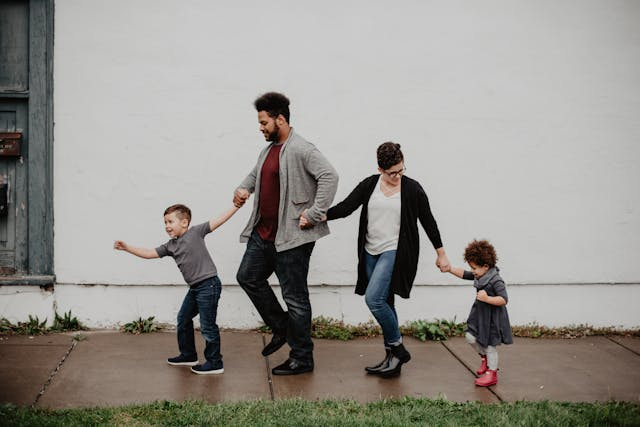
When families look back on childhood, the memories that surface are often surprising.
They aren’t always the big events or carefully planned experiences. They’re not necessarily the moments adults worked hardest to create. Instead, they tend to be small, ordinary scenes that linger quietly.

A certain way mornings felt. The sound of laughter from another room. Sitting together during an unremarkable afternoon. These memories don’t stand out because they were special at the time, but because they carried a feeling of safety, warmth, or belonging.
Over time, families begin to notice that what children remember most isn’t what was done for them, but how life felt around them.
The Emotional Tone Matters More Than the Details
Many childhood memories are emotional rather than factual.
People may not remember exactly where something happened or what day it was, but they remember how it felt to be there. Calm or tension. Ease or hurry. Warmth or distance.
The emotional tone of everyday life leaves a deeper imprint than individual events.
Children absorb the atmosphere they grow up in, and that atmosphere often becomes the backdrop of their memories.
Ordinary Days Leave the Strongest Impressions
It’s easy to assume that memories come from highlights.
Vacations, celebrations, milestones. While these moments are remembered, they’re not the only ones that last.
Many families notice that ordinary days make up most childhood memories. Coming home from school. Shared meals. Evenings that unfolded without urgency.
Because these moments repeat, they become familiar—and familiarity is powerful.
Feeling Seen Is More Memorable Than Being Entertained
Children often remember moments when they felt noticed.
A parent listening without distraction. An adult responding thoughtfully to a question. Someone pausing to acknowledge a feeling.
These moments don’t require time-consuming activities. They require attention.
Feeling seen leaves a lasting mark because it reinforces a child’s sense of worth and belonging.
Routines Become Emotional Anchors
Daily routines play a quiet but significant role in memory.
Bedtime rituals. Morning habits. The way weekends felt. These repeated patterns create a sense of stability.
Years later, people often recall these routines with clarity—not because they were exciting, but because they were dependable.
Routines anchor memories by providing continuity during growth and change.
Children Remember How Adults Responded to Their Feelings
Specific events may fade, but responses often remain.
Children remember whether adults stayed calm during hard moments. Whether emotions were welcomed or dismissed. Whether mistakes felt safe to make.
These responses shape how children understand relationships long after childhood.
Families often realize that emotional responses are remembered more vividly than the situations that prompted them.
Small Acts of Care Leave Lasting Impressions
Care doesn’t need to be dramatic to be remembered.
Making time. Remembering preferences. Showing up consistently. These small acts accumulate over time.
Children often recall how care was expressed in simple ways—being picked up reliably, having someone wait patiently, or feeling protected during vulnerable moments.
Care becomes memorable when it feels steady rather than exceptional.
The Pace of Life Is Remembered
Children remember pace.
Whether life felt rushed or spacious. Whether there was time to linger or always a sense of hurry. This rhythm shapes how childhood is recalled.
Even when schedules were full, moments of unhurried presence stand out.
Families often notice that memories are tied not to how much happened, but to how much time felt available.
Laughter in Everyday Moments Sticks
Shared laughter often appears in childhood memories.
Not staged fun, but spontaneous humor. Jokes that repeated. Silly moments that weren’t planned.
These moments stand out because they created shared joy without effort.
Laughter signals connection, and connection is what memories hold onto.
Children Remember Who Was There
Presence matters.
Children remember who showed up consistently, even in ordinary moments. Who was available. Who made time.
This presence doesn’t need to be constant or perfect. It needs to be reliable.
Being there often matters more than what was done together.
Conflict Is Remembered Less Than Repair
Conflict itself isn’t always what stands out.
Children may not remember the details of disagreements, but they remember whether things felt resolved afterward. Whether there was reassurance. Whether connection returned.
Repair shapes memory more than rupture.
Families often find comfort in knowing that mistakes don’t define childhood—responses do.
Childhood Memories Are Often Sensory
Smells, sounds, and textures often surface first.
The sound of a familiar voice. The feel of a certain place. The rhythm of a household.
These sensory details carry emotion and meaning without explanation.
They form the texture of memory rather than the storyline.
Children Remember Belonging More Than Structure
Rules and systems may be necessary, but belonging is what stays.
Children remember whether they felt part of the family. Included. Accepted.
This sense of belonging isn’t created through structure alone. It grows through daily interactions that communicate “you matter here.”
That feeling becomes part of how childhood is remembered.
Simple Togetherness Leaves a Mark
Being together without agenda matters.
Sitting in the same space. Doing parallel activities. Sharing quiet time.
These moments often feel unremarkable at the time, but they form the foundation of memory.
Togetherness without pressure allows children to feel secure enough to simply exist.
Children Remember How Home Felt
Ultimately, many childhood memories center on home—not the physical space, but the emotional one.
Whether home felt safe. Predictable. Accepting. Calm enough to rest.
Families often realize that children remember home as a feeling more than a place.
That feeling shapes how childhood is carried into adulthood.
Memories Are Formed Without Intention
One of the most striking things families notice is that meaningful memories aren’t created on purpose.
They form naturally, through repetition, presence, and emotional safety.
Trying to manufacture memorable moments often misses what actually lasts.
Meaning grows quietly, without effort.
Childhood Is Remembered as a Collection of Moments
Memories don’t arrive as a highlight reel.
They come as fragments. A tone of voice. A familiar scene. A feeling that returns unexpectedly.
Together, these fragments form a sense of childhood that feels coherent and real.
Families don’t need to shape each moment for it to matter.
What Lasts Is the Feeling of Being Held in Daily Life
When families reflect deeply, one theme often emerges.
Children remember feeling held—not constantly, but consistently. Held by routine. Held by presence. Held by emotional safety.
This holding doesn’t require perfection.
It requires enough.
A Gentle Closing Reflection
What families remember most from childhood isn’t usually what adults worked hardest to create.
It’s what was repeated quietly. How time felt. How emotions were handled. Whether presence was steady.
Children remember ordinary days more than extraordinary ones.
They remember being seen more than being entertained.
And many families eventually realize something reassuring.
The moments that last weren’t added on.
They were already there, woven into everyday life, waiting to be remembered.
AI Insight:
Many families notice over time that what stays with people from childhood is less about specific events and more about the feeling of everyday life around them.