
Activities are often how families try to create connection.
Plans are made. Outings are chosen. Time is structured around doing something together. These efforts come from care and good intention—the hope that shared activity will lead to shared meaning.
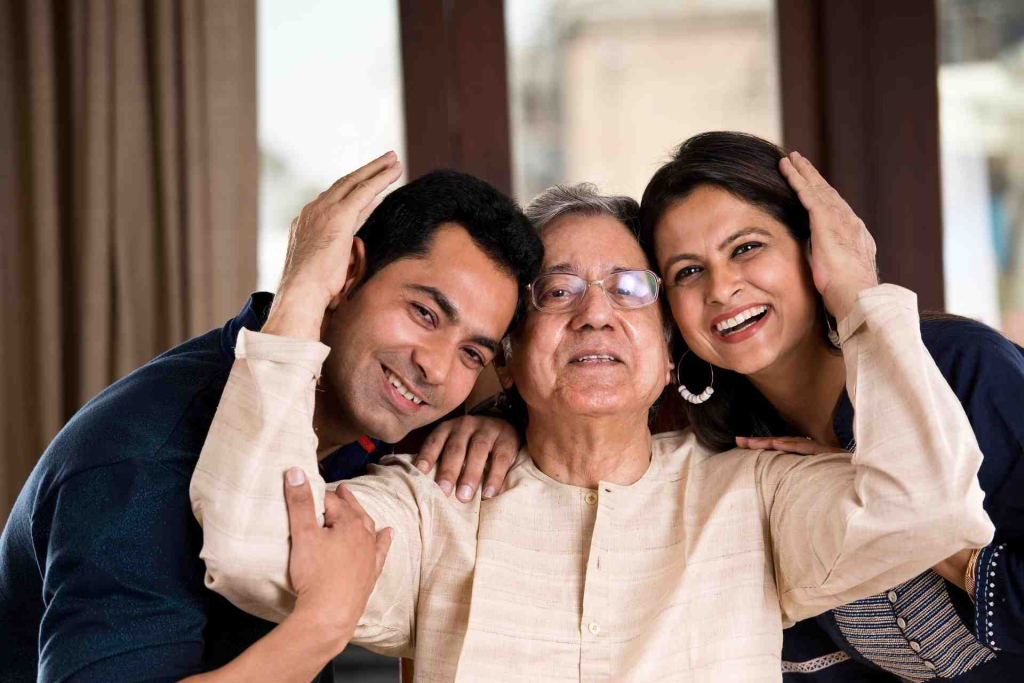
Yet many families notice something unexpected over time.
Some of their most connected moments didn’t happen during activities at all. They happened in the spaces between them. When nothing special was happening. When everyone was simply there.
Presence, not activity, is often what makes time together feel real.
Activities Are Easy to Measure, Presence Is Not
Activities are visible.
You can point to them, plan them, and feel productive for doing them. Presence is quieter. It doesn’t show up on a calendar or checklist.
Because presence is harder to measure, it’s often underestimated.
Families may be doing many activities together while still feeling disconnected—because attention is divided, rushed, or focused on outcomes rather than on each other.
Presence Creates Emotional Safety
Presence communicates something fundamental: I’m here with you.
Not distracted. Not multitasking. Not preparing for what comes next. Just available.
This availability creates emotional safety. Family members feel less rushed, less evaluated, and less pressured to perform.
Activities can happen without safety. Presence builds it.a
Activities Can Compete With Attention
Many activities require management.
Instructions, timing, logistics, transitions. Even enjoyable activities can pull attention away from people and toward process.
Presence pulls attention back.
Families often notice that during simpler moments—sitting together, talking casually, sharing space—attention feels more relaxed and connected.
Connection deepens when attention isn’t constantly being redirected.
Presence Allows People to Be As They Are
Activities often come with expectations.
Participation. Engagement. Enjoyment. Energy. These expectations can be subtle, but they’re felt.
Presence removes those demands.
Someone can be quiet. Someone can be tired. Someone can observe instead of join in. All of these states are welcome.
Families feel closer when everyone is allowed to show up as they are, not as the activity requires.
Children Respond More to Presence Than Plans
Children are especially sensitive to presence.
They notice tone, availability, and emotional attunement more than structure. An activity may hold their interest briefly, but presence holds their sense of security.
Many families observe that children settle more easily when adults are calm and present—even if nothing special is happening.
The activity matters less than the feeling in the room.
Presence Reduces Pressure Around Enjoyment
Activities can carry pressure.
Pressure to enjoy them. To get value from them. To make them worthwhile. This pressure can quietly interfere with connection.
Presence removes the need for enjoyment to look a certain way.
Time together doesn’t have to be fun or productive to be meaningful. It just has to be shared.
Presence Creates Space for Spontaneity
When families are present, moments can unfold naturally.
A conversation drifts deeper. A shared joke appears. Someone brings up something unexpected.
These moments rarely fit into planned activities. They happen when there’s space to notice and respond.
Presence makes room for spontaneity without effort.
Activities End, Presence Lingers
Activities have clear beginnings and endings.
Presence doesn’t.
A sense of being seen and heard can linger long after a moment has passed. It shapes how family members feel about one another over time.
Families often remember how someone made them feel more than what they did together.
Presence is what leaves that imprint.
Presence Doesn’t Require Energy Peaks
Activities often assume a certain energy level.
When energy is low, activities can feel like work. Presence adapts.
It works during quiet evenings, slow mornings, and tired days. It meets people where they are.
Families often feel closer during low-energy moments precisely because there’s no expectation to do more.
Presence Supports Repair and Understanding
Misunderstandings and tension happen in every family.
Presence allows for repair. A pause. A softening. A return to connection without explanation or performance.
Activities don’t always allow for this kind of responsiveness.
Presence makes space for understanding to emerge naturally.
Activities Can Distract From Underlying Needs
Sometimes families fill time with activities when what’s needed is rest, reassurance, or connection.
Presence helps surface those needs.
When there’s nothing to distract from how people are feeling, it becomes easier to respond with care rather than busyness.
Presence Builds Trust Over Time
Trust grows through repeated experiences of being met with attention and acceptance.
Not through grand gestures, but through everyday presence.
Families who prioritize presence often notice that communication feels easier, conflict feels less threatening, and time together feels more comfortable.
Trust accumulates quietly.
Presence Makes Small Moments Meaningful
When presence is there, even small moments feel full.
A shared glance. A brief exchange. Sitting together in silence.
These moments don’t need to be extended or enhanced. They carry meaning because of the attention within them.
Presence turns ordinary time into connective time.
Activities Are Optional, Presence Is Foundational
Activities can enhance connection, but they’re not foundational.
Presence is.
Families can connect without activities, but activities rarely create connection without presence.
Recognizing this often brings relief.
Families stop feeling responsible for constantly planning meaningful experiences and start noticing what’s already there.
Presence Reduces Comparison
Activities are easy to compare.
What other families do. How often they go out. What they plan. Presence is personal.
It doesn’t need to look a certain way to be effective.
Families who value presence often feel less pulled by external standards and more grounded in what works for them.
Presence Encourages Acceptance
When presence leads, acceptance follows.
People feel less evaluated. Less corrected. Less shaped.
Family members feel freer to be themselves, which strengthens bonds naturally.
Acceptance doesn’t need to be stated. It’s felt through presence.
Activities Can Be Added, Presence Must Be Chosen
Activities can always be added later.
Presence has to be chosen in the moment.
It’s the choice to pause. To listen. To stay.
That choice, repeated over time, shapes how family life feels more than any plan ever could.
A Gentle Closing Reflection
Why presence matters more than activities isn’t about doing less together.
It’s about being together more fully.
When families prioritize presence, time slows without effort. Connection deepens without planning. Meaning appears without being manufactured.
Activities can be wonderful additions.
But presence is what allows them—and everything else—to matter.
And many families eventually discover something reassuring.
They didn’t need to create more moments to feel connected.
They needed to be in the moments they already had.
AI Insight:
Many families notice that the moments that feel most connecting are often the ones where attention is shared, even if nothing particular is happening.