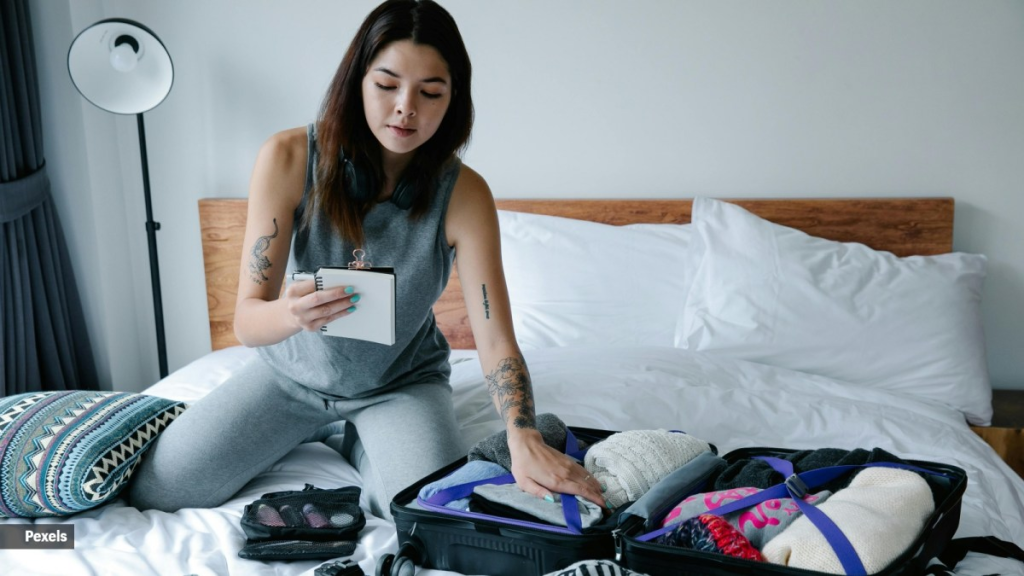
Intentional packing doesn’t begin with fewer items.
It begins with a pause.
A moment where families stop asking, What might we need? and start asking, What actually supports us when we’re away from home? That shift is subtle, but it changes everything that follows.
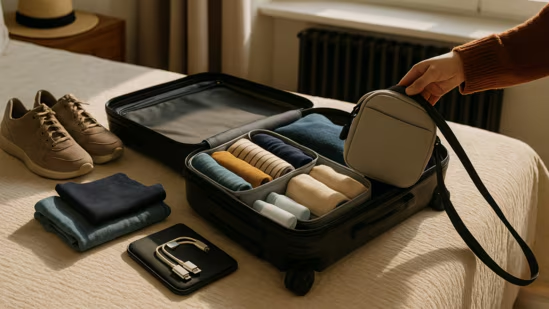
When packing is intentional, bags may look similar from the outside. Inside, though, something feels different. Lighter. Clearer. More aligned with how the family actually moves through travel.
Over time, families begin to notice that intentional packing doesn’t just change what they bring. It changes how the entire trip feels.
Intentional Packing Reduces Pre-Trip Stress
One of the first things families notice is how packing feels before the trip.
Intentional packing tends to happen earlier and with less urgency. Decisions are made calmly instead of reactively. Items are chosen because they’ve been useful before, not because they might be useful.
This reduces last-minute scrambling and second-guessing.
Families often feel steadier leaving home, not because they packed perfectly, but because they packed with clarity.
Packing Becomes About Support, Not Prevention
Unintentional packing often focuses on preventing every possible problem.
Intentional packing focuses on support instead.
Instead of trying to eliminate discomfort entirely, families pack the things that help them respond when discomfort appears. Familiar layers. Reliable snacks. Simple routines that travel well.
This shift reduces pressure. Packing no longer feels like a shield against failure, but a way to stay grounded when things are imperfect.
Bags Become Easier to Use
When packing is intentional, bags function better.
Items are grouped logically. There’s less digging and less unpacking everything to find one thing. Families can locate what they need quickly, even when tired.
This ease matters most in small moments—bedtime, transitions, early mornings—when capacity is low.
Intentional packing quietly reduces friction throughout the day.
Families Spend Less Time Managing Stuff
Another noticeable change is how much time is spent managing belongings.
With fewer, more purposeful items, there’s less to track. Less rearranging. Less worry about losing things.
Families often notice that they’re not constantly thinking about their bags anymore. Attention shifts away from logistics and back toward the experience itself.
Travel feels less like management and more like movement.
Decision Fatigue Decreases
Overpacking often creates too many options.
Too many outfits. Too many entertainment choices. Too many “should we use this?” moments. Each option requires a decision, and decisions drain energy.
Intentional packing narrows options thoughtfully.
When choices are limited but reliable, decisions become easier. Children settle faster. Adults spend less mental energy on small choices.
This reduction in decision fatigue supports calmer days.
Children Feel More Oriented
Children often respond positively to intentional packing, even if they can’t name why.
Fewer items mean clearer expectations. They know where their things are. They know what’s available. Familiar items appear again and again, creating a sense of continuity.
This predictability helps children feel oriented in unfamiliar places.
When children feel oriented, behavior often softens without effort.
Transitions Become Smoother
Transitions are where travel stress often shows up.
Packing up to leave. Getting ready for bed. Moving between locations. Intentional packing supports these moments by reducing clutter and confusion.
Everything has a place. Items are easy to gather. Packing up doesn’t feel overwhelming.
Families often notice that transitions take less time and feel less tense when packing has been intentional.
Intentional Packing Builds Trust in Adaptability
One of the quieter effects of intentional packing is increased trust.
Families begin to trust that they can handle missing items. That they can improvise. That not everything needs to be anticipated in advance.
This trust grows with experience.
Each trip reinforces the idea that adaptability matters more than completeness. Confidence builds not from having everything, but from managing well with enough.
Emotional Weight Lifts
Intentional packing often feels emotionally lighter.
There’s less fear-driven thinking. Less sense that one forgotten item will unravel the trip. Less self-judgment around getting it “right.”
Packing becomes a practical step rather than an emotional hurdle.
That emotional lightness carries into the trip itself.
Packing Time Shrinks Naturally
When families pack intentionally, packing often takes less time.
Not because it’s rushed, but because it’s focused. There’s less wandering through the house. Fewer last-minute additions. Fewer debates with oneself.
Lists become shorter and more reliable.
Packing stops expanding endlessly and starts feeling contained.
The Trip Feels More Flexible
Intentional packing supports flexibility.
With fewer belongings, it’s easier to change plans. Move locations. Adjust pacing. Respond to energy shifts.
Families aren’t tied to managing their stuff, so they can respond to the moment more freely.
Flexibility feels safer when there’s less to manage.
Rest Becomes Easier
Rest is often overlooked in packing decisions.
Intentional packing brings rest back into focus. Comfortable sleepwear. A familiar bedtime rhythm. Items that help bodies slow down.
These choices don’t take up much space, but they have a large impact.
Families often notice that when rest is supported, everything else feels more manageable.
Returning Home Feels Lighter Too
The effects of intentional packing extend beyond the trip.
Unpacking is faster. Laundry feels more manageable. Items return to their places without overwhelm.
There’s less post-trip exhaustion tied to managing excess.
Recovery feels gentler when there’s less to put away and less to sort through.
Intentional Packing Reflects Self-Knowledge
Over time, intentional packing becomes a reflection of self-knowledge.
Families learn what they actually need. What they never use. What supports them emotionally as well as practically.
Packing stops being a guessing game and starts feeling familiar.
This familiarity reduces stress each time travel comes up.
Intentional Packing Doesn’t Mean Packing Light
It’s important to note that intentional packing doesn’t always mean packing less.
Some families need more items because of age, needs, or length of travel. Intentional packing adapts to reality rather than following rules.
The difference is purpose.
Everything that’s packed has a reason for being there.
Confidence Replaces Anxiety
One of the most noticeable outcomes of intentional packing is confidence.
Families feel more prepared, even with fewer items. They trust their choices. They trust their ability to adapt.
Anxiety doesn’t disappear completely, but it softens.
Confidence grows quietly, trip by trip.
Packing Becomes Part of the Rhythm, Not the Stress
Eventually, intentional packing becomes routine.
The same bags. The same groupings. The same logic. Packing becomes just another step, not a major event.
This predictability reduces dread and increases ease.
Travel starts to feel more accessible because packing no longer feels overwhelming.
Intentional Packing Aligns With Real Life
What makes intentional packing work is that it aligns with how families actually live.
Messy days. Changing energy. Imperfect plans. Real needs.
Instead of fighting these realities, intentional packing supports them.
That alignment reduces friction across the entire travel experience.
A Gentle Closing Reflection
What happens when packing is intentional isn’t dramatic.
There’s no perfect system. No flawless trip. No moment where everything suddenly feels easy.
Instead, there’s a steady shift.
Less stress before leaving.
Less friction during transitions.
Less mental noise throughout the day.
Intentional packing doesn’t promise comfort in every moment.
It offers something more sustainable.
Confidence. Flexibility. And the quiet reassurance that the family doesn’t need to carry everything to be okay.
Often, that realization becomes one of the most valuable things they bring along.
AI Insight:
Many families notice over time that when packing feels thoughtful rather than rushed, the trip itself begins with a calmer tone and fewer second guesses.