Packing smarter rarely starts with buying new gear or finding a perfect list.
It usually begins after a trip that felt heavier than it needed to. Too many bags. Too many decisions. Too many items that never left the suitcase, alongside one or two things everyone kept reaching for.
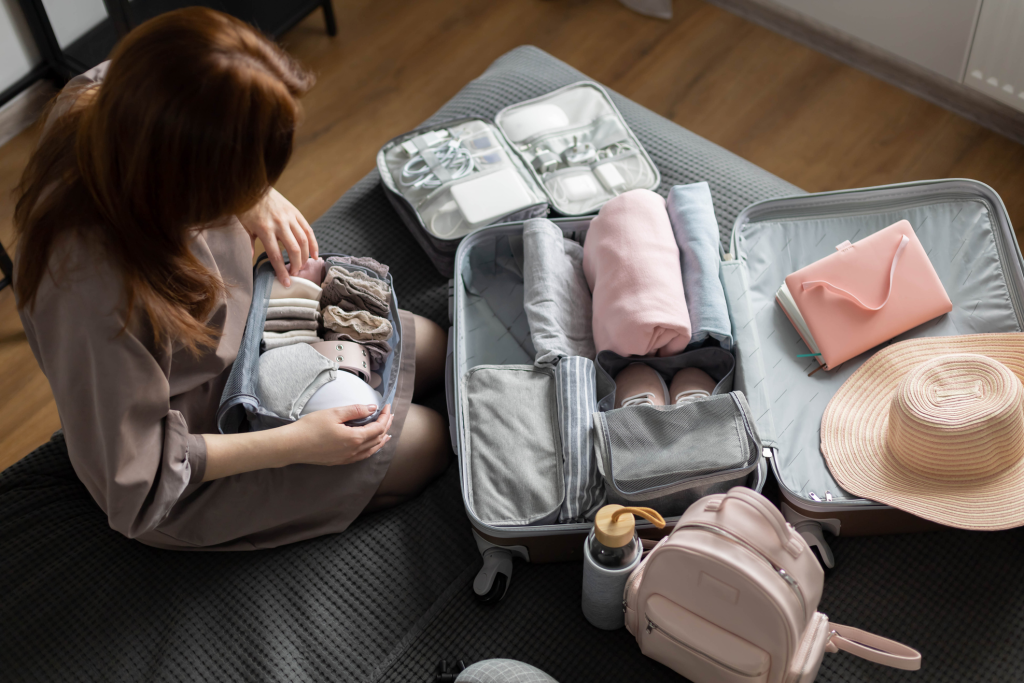
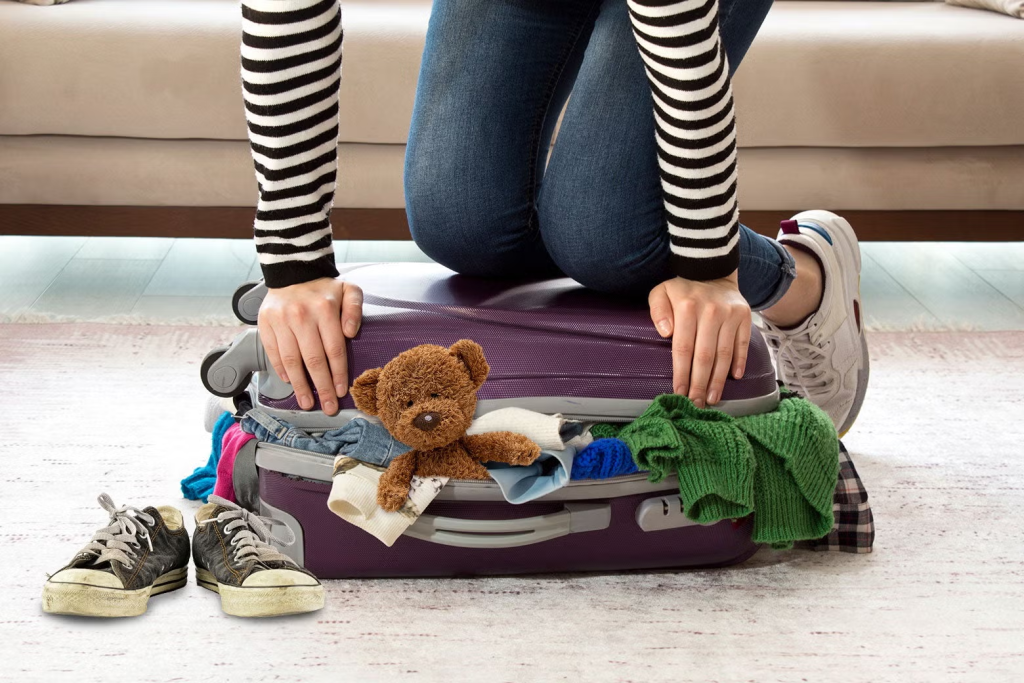
Families often come to a quiet realization: packing more didn’t make the trip easier. In some cases, it made it harder.
Packing smarter isn’t about minimalism or discipline. It’s about learning what actually supports a family away from home—and letting go of what doesn’t.
Smarter Packing Starts With Real Experience
Families pack smarter over time, not all at once.
Early trips are full of “just in case” items. Parents pack for every imagined scenario, because the unknown feels risky. Over time, patterns emerge.
Certain items get used every trip. Others never do. Some things solve many small problems. Others add bulk without relief.
Smarter packing grows from noticing these patterns rather than trying to anticipate everything in advance.
Experience becomes the most reliable packing guide.
Packing Smarter Means Packing for People, Not Places
One common shift families make is moving from packing for destinations to packing for people.
Instead of asking, “What might happen there?” they ask, “What helps my child settle anywhere?” or “What helps us recover when we’re tired?”
This shift changes what goes into the bag.
Familiar layers matter more than novelty outfits. A few comfort items matter more than entertainment variety. Clothes that work across multiple situations matter more than specific looks.
Packing smarter means prioritizing regulation and comfort over possibility.
The Most Useful Items Solve Multiple Needs
Smart packing often focuses on versatility.
Items that serve more than one purpose earn their place. Clothing that layers easily. Shoes that work for walking and resting. Tools that support multiple routines.
When an item can adapt, it reduces the need for backups.
Families often notice that the most-used items are the simplest ones—the ones that quietly support many moments rather than one specific situation.
Smarter Packing Reduces Decision-Making on the Road
One hidden benefit of packing smarter is reduced decision fatigue during the trip.
Too many options create more choices. Which outfit? Which toy? Which activity? These decisions add up quickly when everyone is already adjusting.
Packing fewer, more familiar items makes choices easier. Children settle faster when options are limited but reliable. Adults spend less energy managing small decisions.
Smarter packing isn’t just about luggage weight. It’s about mental lightness.
Familiarity Matters More Than Variety
Families often assume variety will prevent boredom or discomfort.
In reality, familiarity tends to regulate more effectively, especially away from home. Familiar clothes, routines, and items signal safety in unfamiliar environments.
Children rarely miss variety as much as adults expect. They often gravitate toward the same few items again and again.
Packing smarter means trusting familiarity over abundance.
Smarter Packing Accepts Some Discomfort
One of the hardest shifts for parents is accepting that not all discomfort can be prevented.
Packing more often comes from a desire to eliminate every possible challenge. Packing smarter accepts that some discomfort is part of travel—and that families can handle it.
This doesn’t mean ignoring needs. It means recognizing the difference between essential support and excessive backup.
When families trust their ability to adapt, they pack less defensively.
Packing Smarter Protects Energy Before the Trip
Packing more often drains energy before travel even begins.
Long packing sessions, endless lists, last-minute additions. By the time the trip starts, parents are already depleted.
Smarter packing aims to preserve energy. Shorter lists. Fewer bags. Clear priorities.
Families who pack smarter often feel calmer before leaving, which sets a steadier tone for the entire trip.
Shared Packing Reduces Overwhelm
Another way families pack smarter is by sharing responsibility.
Older children can pack their own basics with guidance. Adults can divide categories rather than duplicating effort. Lists can be visible instead of held in one person’s head.
Sharing the mental load doesn’t require perfect balance. Even small shifts reduce pressure.
Packing feels smarter when it’s collaborative rather than solitary.
Smarter Packing Focuses on Routines, Not Activities
Families often pack for activities.
Outfits for each plan. Gear for each possibility. Entertainment for every moment. This approach quickly multiplies items.
Smarter packing focuses on routines instead. Sleeping. Eating. Moving. Settling. Winding down.
When routines are supported, activities take care of themselves.
A familiar bedtime routine matters more than a packed schedule. Comfortable movement matters more than special gear.
Packing smarter means supporting the structure of the day, not every detail of it.
Less Stuff Makes Transitions Easier
Travel involves many transitions.
Packing up. Unpacking. Moving locations. Repacking again. The more stuff there is, the harder these transitions become.
Smarter packing reduces friction during these moments. Fewer bags. Clear organization. Less to track.
Transitions feel smoother when there’s less to manage, and smoother transitions support calmer days.
Smarter Packing Leaves Room for Adjustment
Overpacked bags are hard to adjust.
There’s little space for items picked up along the way or for reorganizing when plans change. Everything feels tight and inflexible.
Packing smarter leaves breathing room. Physical space in bags and mental space in expectations.
This flexibility allows families to respond rather than react when the trip unfolds differently than planned.
Packing Smarter Means Trusting Access Over Ownership
Families often pack as if they’ll be completely unsupported.
In reality, many items can be accessed if needed. Stores exist. Laundry is possible. Borrowing happens. Substitutions work.
Packing smarter means trusting access over ownership. Not everything needs to travel with the family.
This trust reduces “just in case” packing and lightens the load significantly.
Children Learn Confidence Through Smarter Packing
Children notice how families pack.
When packing is frantic and overloaded, travel can feel heavy before it begins. When packing is calm and intentional, children absorb that tone.
Smarter packing models confidence. It shows children that the family doesn’t need to control every variable to be okay.
This learning carries into how children approach new situations more broadly.
Smarter Packing Evolves Over Time
No family packs smarter overnight.
It’s an evolving process shaped by trial, error, and reflection. Each trip teaches something.
What was unnecessary. What was missed. What mattered more than expected.
Families who pack smarter allow this learning to accumulate instead of starting from scratch each time.
Packing Smarter Isn’t About Packing Light
Packing smarter doesn’t mean packing as little as possible.
It means packing with intention.
Some families need more items because of age, needs, or length of travel. Smart packing adapts to context rather than following rigid rules.
The goal isn’t minimal luggage. It’s maximum support with minimal strain.
Smarter Packing Feels Different Emotionally
One of the clearest signs that families are packing smarter is how it feels.
There’s less urgency. Less second-guessing. Less sense that everything depends on getting it exactly right.
Packing becomes a practical step, not an emotional hurdle.
That emotional shift often matters more than the number of bags.
When Packing Feels “Enough”
Families who pack smarter often describe a feeling of “enough.”
Not perfect. Not exhaustive. Just enough to support the family while trusting their adaptability.
This feeling comes from clarity about what matters and confidence in handling what doesn’t.
Packing smarter is less about the items and more about the mindset.
A Gentle Closing Reflection
How families pack smarter, not more, is ultimately about trust.
Trust in experience. Trust in adaptability. Trust that comfort doesn’t require excess.
Smarter packing doesn’t eliminate uncertainty. It makes space for it.
When families pack with intention rather than fear, travel feels lighter before it even begins. The bags may be smaller, but the confidence is bigger.
And often, once the trip is underway, families realize something important.
They didn’t need to bring everything to feel supported.
They just needed enough—and the rest, they carried with them already.