
Family travel rarely unfolds exactly as planned.
Even with preparation, something shifts once the journey begins. A child reacts differently than expected. Energy fades earlier than usual. A smooth morning turns into a slow afternoon. These moments aren’t signs that the trip is failing. They’re signs that adaptation has begun.
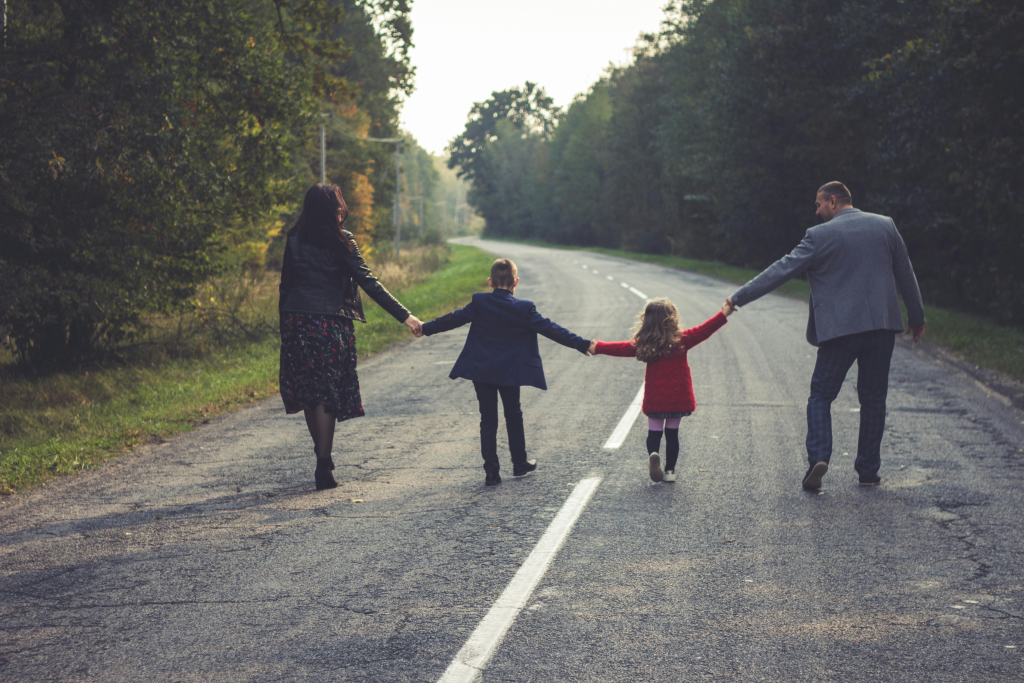
Families don’t travel well because everything goes right. They travel well because they learn how to adjust together when things change.
Adaptation isn’t dramatic. It happens quietly, in small choices made along the way.
Adaptation Starts With Letting Go of the Original Plan
One of the first ways families adapt on the road is by releasing the idea that the original plan must be followed.
Plans are useful before travel begins. They give structure and direction. But once the family is moving, the plan becomes one source of information, not the authority.
Adaptation happens when families notice what’s actually happening and allow that information to matter more than what was imagined ahead of time.
Letting go doesn’t mean giving up. It means making room for reality.
Families Adapt by Reading Energy, Not Schedules
On the road, energy becomes more important than time.
Families quickly learn that schedules don’t always reflect capacity. A day might look reasonable on paper but feel heavy in the body. Another day may open up unexpectedly with plenty of energy to explore.
Adaptation often looks like slowing down when energy dips and leaning into movement when energy rises. Families adjust the pace of the day based on how everyone feels, not just what the clock says.
This responsiveness helps prevent small fatigue from turning into bigger moments later.
Children Lead Adaptation Through Behavior
Children often signal the need to adapt before adults do.
Changes in behavior—irritability, withdrawal, silliness, or resistance—are often responses to overstimulation, tiredness, or hunger rather than attitude.
Families adapt well when they interpret these signals as information. A child’s behavior becomes a guide rather than an obstacle.
When adults respond early to these cues, the whole family settles more quickly.
Adults Adapt by Adjusting Expectations
Adults often adapt by shifting expectations inward.
Instead of expecting the day to feel a certain way, they begin to ask simpler questions. Does this feel doable right now? What would help us settle? What can wait?
This internal adjustment reduces pressure. The trip stops being evaluated constantly and starts being experienced.
Families adapt more easily when adults allow the experience to change shape without self-criticism.
Familiar Routines Become Flexible Anchors
On the road, routines rarely stay intact.
Bedtimes change. Meals shift. Movement patterns differ. But families often adapt by holding onto the spirit of routines rather than the exact structure.
A familiar bedtime sequence in a new room. A morning ritual that happens wherever the family is. A shared pause before the day begins.
These flexible anchors offer continuity without rigidity. They help everyone feel grounded while allowing for change.
Adaptation Happens Through Small Course Corrections
Families don’t usually adapt through one big decision.
They adapt through small course corrections made repeatedly. Leaving earlier than planned. Staying longer somewhere comfortable. Choosing a quieter option instead of a busy one.
These small adjustments accumulate. By the end of the trip, the experience often looks very different from the original plan—and feels better because of it.
Adaptation is rarely noticeable in the moment. Its effects show up over time.
Families Adapt by Sharing Responsibility
Travel often reveals how responsibility is distributed.
When one person carries all the planning and problem-solving, adaptation becomes harder. When responsibility is shared—even in small ways—families adjust more smoothly.
Sharing might look like involving children in simple choices, dividing logistical tasks between adults, or naming when someone needs support.
Adaptation works best when it’s collaborative rather than solitary.
Flexibility With Food and Rest Supports Adaptation
Basic needs become more prominent on the road.
Hunger and tiredness appear faster and affect everyone more strongly. Families adapt by becoming more flexible around food and rest than they might be at home.
Eating earlier. Offering familiar foods. Building in unexpected rest moments. These adjustments don’t derail the trip. They sustain it.
Meeting basic needs early makes adaptation easier later.
Families Adapt by Using Familiar Tools Thoughtfully
On the road, familiar tools often become supportive rather than distracting.
Navigation reduces uncertainty. Music creates continuity. Occasional entertainment helps during long waits. When used intentionally, these tools support regulation and transition.
Families adapt well when they use familiar tools as support rather than default. The goal isn’t constant engagement, but ease.
Technology becomes a helper, not a solution to everything.
Adaptation Requires Releasing Comparison
Comparison makes adaptation harder.
When families measure their trip against others’ experiences or imagined ideals, adjustments can feel like failure. Slowing down feels like missing out. Changing plans feels like settling.
Families adapt more easily when they let go of comparison and focus on their own experience.
What matters is not how the trip looks, but how it feels to the people living it.
Humor Often Appears After Adaptation Begins
One subtle sign that adaptation is working is humor.
When families start laughing at small mishaps or unexpected turns, it often means pressure has eased. The trip no longer needs to go perfectly.
Humor signals resilience. It shows that the family has shifted from control to acceptance.
These moments often become the stories remembered later.
Adaptation Builds Confidence for Future Travel
Each adaptation teaches something.
Families learn what to pack next time. How much rest is needed. Which rhythms work away from home. These lessons accumulate quietly.
Confidence grows not from flawless trips, but from navigating imperfect ones successfully.
Families who adapt on the road often feel more relaxed the next time they travel, even before leaving home.
Children Learn Adaptation by Experiencing It
Children learn adaptability not through explanation, but through experience.
When they see adults adjust calmly, problem-solve openly, and recover after hard moments, children absorb those patterns.
They learn that change isn’t something to fear. It’s something to move through together.
This learning extends beyond travel into everyday life.
Adaptation Often Means Choosing Less
On the road, adaptation frequently involves choosing less.
Fewer activities. Shorter days. Simpler meals. More time in one place. These choices aren’t signs of limitation. They’re signs of attunement.
Families adapt by letting go of excess and focusing on what supports connection and regulation.
Less often feels like more when energy is protected.
Adaptation Doesn’t Eliminate Hard Moments
Adapting doesn’t remove difficulty.
There will still be tired days, missed plans, and emotional moments. Adaptation changes how families meet these challenges, not whether they occur.
Hard moments become part of the experience rather than disruptions to it.
Families adapt when they allow difficulty without letting it define the trip.
Adaptation Happens in Real Time
There’s no perfect moment to adapt.
It happens in real time, often without certainty. Families make the best decision they can with the information they have.
Sometimes the adjustment helps. Sometimes it doesn’t. Either way, learning continues.
Adaptation isn’t about getting it right. It’s about staying responsive.
A Gentle Closing Reflection
How families adapt on the road isn’t about resilience in the dramatic sense.
It’s about responsiveness. Listening. Adjusting. Letting go. Trying again.
Families adapt by trusting their ability to notice what’s happening and respond with care. They learn that plans are helpful, but presence matters more.
Travel doesn’t become easier because nothing goes wrong. It becomes more manageable because families learn how to move with change rather than against it.
And in that movement—imperfect, thoughtful, and shared—families often discover something lasting.
Not just how to travel better, but how to navigate unfamiliar moments together, wherever they happen to be.