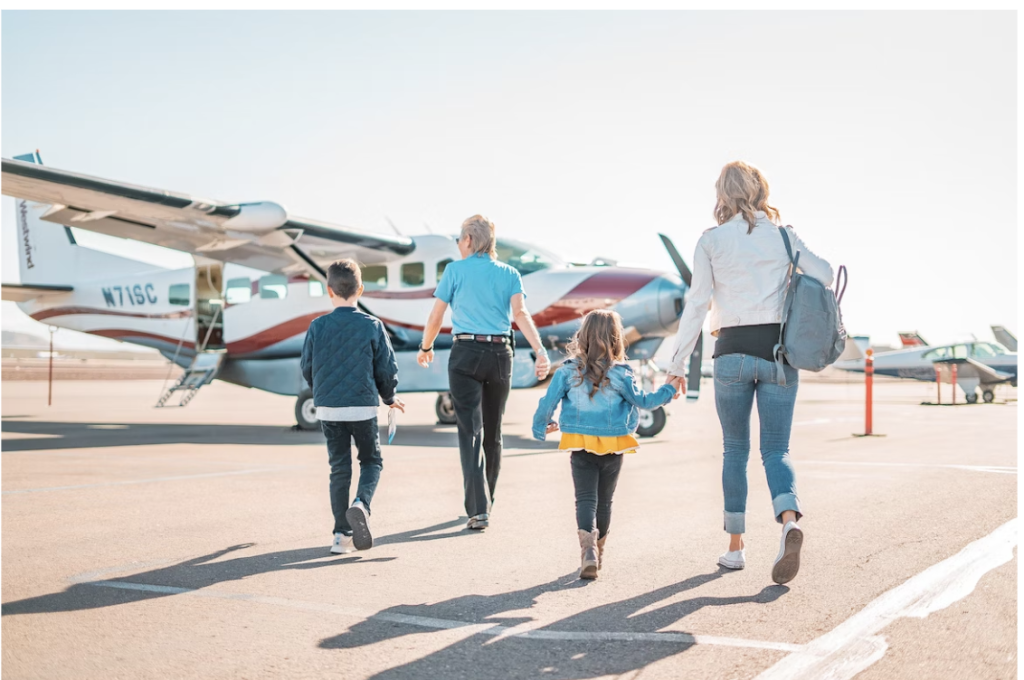
Family travel often begins with hope.
There’s the idea of togetherness, of shared memories, of stepping out of routine and into something refreshing. Photos are imagined. Stories are anticipated. The destination feels like a promise.
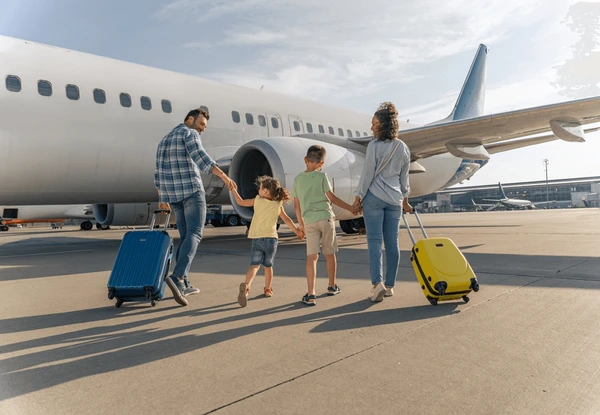
Then the trip actually begins.
Someone is tired before leaving the house. Bags feel heavier than expected. Schedules slip. Emotions rise at inconvenient moments. And quietly, a thought appears: Why does this feel harder than I thought it would?
That feeling is more common than families admit. And it doesn’t mean travel was a mistake. It means expectations and reality are meeting each other honestly.
Travel Removes the Structures That Usually Help
At home, family life is supported by invisible structures.
Routines guide the day. Familiar spaces reduce decision-making. Everyone knows where things are and what comes next. These structures do a great deal of emotional work without being noticed.
Travel removes many of them at once.
Sleep happens in unfamiliar places. Meals are unpredictable. Daily rhythms are replaced with constant transitions. Even small tasks—finding a bathroom, locating snacks, figuring out timing—require extra thought.
Family travel feels harder because the systems that normally support wellbeing are temporarily gone.
Everyone Is Adjusting at the Same Time
One reason family travel feels especially intense is that everyone is adjusting simultaneously.
Children are adapting to new environments. Adults are managing logistics while trying to stay present. No one has their usual anchors, and everyone’s capacity is stretched in different ways.
At home, adjustments are staggered. On the road, they stack.
This layering of adjustment can create friction, even when no one is doing anything “wrong.”
Expectations Travel With Us
Expectations don’t stay behind when families pack.
They come along quietly. Expectations about rest. About bonding. About how much fun everyone should be having. About how grateful children should feel for the experience.
When reality doesn’t match these expectations, disappointment can surface. Not because the trip is bad, but because it’s different from what was imagined.
Family travel often feels harder when there’s pressure for it to feel meaningful in a particular way.
Children Experience Travel as a Series of Transitions
Adults often see travel as a single experience.
Children experience it as a string of transitions.
Leaving home. Waiting. Sitting still. Arriving somewhere unfamiliar. Sleeping in a new place. Eating at odd times. Repeating the cycle the next day.
Transitions require energy. When they happen back-to-back, children may feel dysregulated, even if the destination is exciting.
This isn’t about attitude. It’s about how nervous systems handle change.
Adults Carry Invisible Travel Work
Family travel often comes with invisible work that falls mostly on adults.
Tracking tickets. Managing bags. Anticipating needs. Keeping an eye on timing. Making decisions constantly. Holding everyone’s emotional state alongside logistics.
This mental load doesn’t pause just because the scenery is different.
When adults feel more irritable or exhausted during travel, it’s often because their mental load has increased, not because they’re failing to enjoy the moment.
Rest Is Harder to Find Away From Home
One of the biggest surprises of family travel is how little rest actually happens.
Beds are unfamiliar. Noise levels change. Days are full. Even “relaxing” activities require effort. There’s less space to fully settle.
Without adequate rest, patience shortens and emotions feel closer to the surface.
Family travel feels harder when rest is assumed instead of planned for.
Travel Compresses Time Together
At home, togetherness is balanced with separation.
People move in and out of shared space. Children play independently. Adults take breaks. Time together is interspersed with time apart.
Travel compresses this rhythm.
Families are often together all day, navigating decisions and experiences side by side. While connection is the goal, constant proximity can amplify tension.
More togetherness isn’t always easier togetherness.
Novelty Takes Energy
New places are stimulating.
Different sights, sounds, foods, and social expectations all require processing. Even enjoyable novelty uses energy.
Children may show this through meltdowns or withdrawal. Adults may feel unusually tired or short-tempered.
Family travel feels harder when novelty is mistaken for ease.
Enjoyment and effort can exist at the same time.
The Pressure to “Make the Most of It”
Travel often comes with a sense of urgency.
“We’re only here for a few days.”
“We may never come back.”
“We should see everything.”
This pressure can turn each day into a checklist rather than an experience.
When families try to maximize every moment, there’s little room for recovery. Fatigue builds. Flexibility shrinks.
Travel feels harder when there’s no permission to slow down.
Children Don’t Always Show Enjoyment the Way Adults Expect
Adults often measure travel success by visible enthusiasm.
Children may not express enjoyment in obvious ways. They might complain while still absorbing the experience. They might resist plans while still finding comfort in being together.
Children process experiences differently. What looks like dissatisfaction in the moment may become a positive memory later.
Family travel feels harder when adults expect immediate emotional feedback.
Familiar Tools Don’t Always Work on the Road
At home, families know what helps regulate emotions.
Certain routines. Familiar foods. Quiet spaces. Predictable cues. Travel disrupts access to many of these tools.
When coping strategies aren’t available, emotions may escalate more quickly.
This isn’t regression. It’s adaptation under new conditions.
Why Small Things Feel Bigger While Traveling
When energy is low and routines are gone, small frustrations can feel large.
A delayed meal. A wrong turn. A missed nap. These moments might be manageable at home but feel overwhelming on the road.
Family travel feels harder because margins are thinner. There’s less buffer for stress.
Recognizing this can help families respond with compassion instead of frustration.
Travel Highlights Differences in Needs
Travel often reveals how different family members regulate.
Some need movement. Others need quiet. Some want novelty. Others want familiarity.
At home, these needs can be met separately. While traveling, compromises are constant.
Negotiating these differences takes energy and emotional awareness, which can make travel feel heavier than expected.
What Families Often Learn, Later
Interestingly, many families report that trips feel better in hindsight.
Moments that were hard become stories. Challenges fade into context. What remains is a sense of shared experience.
This doesn’t mean the difficulty wasn’t real. It means meaning often forms after the fact.
Family travel isn’t always about enjoyment in the moment. Sometimes it’s about building a shared narrative over time.
Letting Go of the Idea That Travel Should Feel Easy
One of the most helpful shifts families can make is releasing the idea that travel should feel easier than home life.
Travel is different by nature. It asks more of everyone. It removes supports and adds stimulation.
When families expect travel to be effortless, difficulty feels like failure. When they expect it to be layered and imperfect, challenges feel more manageable.
Harder doesn’t mean worse. It means different.
Making Space for What’s Actually Happening
Family travel feels lighter when families allow it to be what it is.
Some moments will be joyful. Some will be tiring. Some will feel deeply connecting. Others will feel like survival.
All of these experiences can coexist.
Letting go of the need to judge the trip while it’s happening creates space to respond instead of react.
A Gentle Closing Reflection
Why family travel feels harder than expected isn’t a mystery once we look closely.
It removes routines, increases transitions, compresses togetherness, and raises expectations—all at the same time.
That’s a lot.
Family travel isn’t meant to be seamless. It’s meant to be shared. And shared experiences, by nature, are textured, emotional, and imperfect.
When families approach travel with curiosity instead of pressure, with flexibility instead of fixed expectations, something shifts.
The trip may still feel hard in moments. But it also feels honest.
And often, it’s in that honesty—tired laughs, unexpected pauses, small recoveries—that families find the memories that last the longest.