
The changes often begin quietly.
A phone stays on the counter a little longer. A show ends without being replaced. A new routine shifts when screens are used, or how often they show up. No big declaration, no dramatic overhaul—just a small adjustment that seemed to make sense at the time.
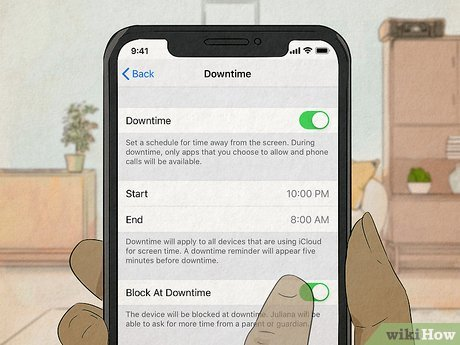
Then, over days or weeks, families begin to notice things. Not always what they expected. Not always immediately positive or negative. Just different.
What families notice after screen changes tends to unfold gradually, in the texture of daily life rather than in clear outcomes.
ad
The Day Feels Slightly Slower at First
One of the first things families notice is a change in pace.
Without screens filling every pause, time stretches. Mornings may feel less rushed but less automated. Evenings may feel longer, especially in the early stages.
At first, this slower pace can feel uncomfortable. Screens often compress time by absorbing attention quickly. When that compression disappears, the day reveals its natural rhythm.
Families aren’t suddenly doing more. They’re simply feeling the moments in between again.
In-Between Moments Become More Visible
After screen changes, the in-between moments stand out.
Waiting for food to cook. Sitting together before bedtime. Riding in the car without a screen as a buffer. These moments didn’t disappear before—they were just occupied.
Families often notice more fidgeting at first. More wandering. More comments of boredom. This isn’t a setback. It’s a sign that space has opened up.
Over time, these moments often begin to fill themselves, sometimes with conversation, sometimes with quiet, sometimes with nothing at all.
Emotions Show Up More Clearly
Another common observation is that emotions feel closer to the surface.
Screens can soften emotional edges by offering distraction or predictability. When that layer is reduced, feelings have more room to be felt.
Children may express frustration or boredom more openly. Adults may notice fatigue or irritability they hadn’t named before. These emotions aren’t caused by the screen change—they were already present.
What’s changed is visibility.
Families often find that once emotions are acknowledged rather than redirected, they pass more naturally.
Boredom Appears Before Anything Else
Boredom is often the most noticeable response after screen changes.
It tends to show up early and often. This can feel unsettling, especially for parents who worry boredom means something is missing.
But boredom is usually a transition state, not an endpoint.
When families resist the urge to immediately fill it, boredom often gives way to creativity, rest, or self-directed play. Not instantly, and not every time, but enough to notice a shift.
Many families come to see boredom not as a problem, but as a doorway.
Conversation Shifts in Tone, Not Volume
Families don’t always talk more after screen changes—but conversation often changes in quality.
There may be more spontaneous remarks. More observations about small things. More shared silence that feels neutral instead of awkward.
Screens tend to structure interaction around content. Without them, conversation follows curiosity and mood.
Families often notice that dialogue feels less rushed and less performative. It doesn’t need to go anywhere. It just happens.
Evenings Feel Different Before They Feel Better
When screen changes affect evenings, families often notice an adjustment period.
Without screens guiding the wind-down, evenings can feel uncertain at first. Time feels less marked. Transitions require more presence.
Over time, many families notice that evenings begin to soften. The shift toward rest feels more gradual. Bedtime routines settle without as much resistance.
This doesn’t mean evenings become effortless. It means the transition into rest aligns more closely with energy levels.
Attention Behaves Differently
After screen changes, attention often looks different.
Children may move between activities more frequently. Adults may notice their minds wandering more. Without screens providing a single focal point, attention becomes more fluid.
This can feel scattered at first. Screens are powerful organizers of attention, and removing them changes that structure.
With time, families often notice attention lengthening again—toward books, building, conversation, or quiet activities. This rebuilding happens naturally, not on a schedule.
Adults Notice Their Own Habits More
One unexpected thing families often notice is increased awareness of adult screen habits.
Without children using screens as much, parents become more conscious of when and why they reach for devices. A quick check becomes more visible. Habitual scrolling stands out.
This awareness isn’t about guilt. It’s about alignment.
Many adults naturally adjust their own use, not because they planned to, but because the environment has shifted.
Routines Begin to Matter More
When screens are reduced or adjusted, routines often take on greater importance.
Mealtimes, bedtime rituals, shared activities, and daily rhythms begin to anchor the day more strongly. These routines provide structure that screens once supplied automatically.
Families may find themselves leaning into these moments more intentionally. Reading together. Walking after dinner. Playing music during cleanup.
Routines don’t replace screens. They replace what screens were doing for the rhythm of the day.
Resistance Often Comes Before Acceptance
It’s common for families to notice resistance early on.
Requests for screens may increase temporarily. Adults may feel unsure how to respond. This resistance doesn’t mean the change isn’t working.
It usually means habits are shifting.
As new patterns form, resistance often fades on its own. Alternatives become familiar. Expectations settle.
Acceptance arrives quietly, without a clear turning point.
Time Feels Fuller
Many families notice a change in how time feels.
Without screens compressing experience, days can feel fuller—not busier, but more textured. Moments have clearer beginnings and endings.
This can make life feel less rushed, even when schedules haven’t changed.
Families often describe feeling more present without needing to try harder.
What Doesn’t Change Is Just as Important
It’s important to notice what doesn’t happen after screen changes.
Family life doesn’t become perfectly calm. Children don’t suddenly become endlessly creative. Adults don’t gain unlimited patience.
Screen changes don’t transform family life. They reveal it.
Challenges remain. Emotions still rise. Busy days still exist. The difference is that these experiences are met more directly, without being constantly softened or sped past.
Screens Often Find a New Role
For many families, screen changes don’t lead to eliminating screens.
Instead, screens find a clearer place. They’re used more intentionally, often shared more often, and tied to specific moments.
Screens stop filling every gap and start supporting particular needs—rest, connection, or coordination.
This clarity reduces tension without requiring strict control.
Families Begin Trusting Their Own Rhythms
One of the most meaningful things families notice after screen changes is increased trust.
Trust in their routines. Trust in their children’s ability to engage. Trust in their own instincts about what feels right.
Screens no longer feel like something to manage constantly. They become one part of a larger rhythm.
That trust brings relief.
A Gentle Reflection
What families notice after screen changes isn’t a single outcome.
It’s a collection of small shifts—in pace, attention, emotion, and connection. Some feel immediately welcome. Others take time to appreciate.
None require perfection.
Screen changes don’t fix family life. They create space to experience it more fully.
And in that space—sometimes quiet, sometimes restless, sometimes unexpectedly warm—families often rediscover rhythms that feel grounded, human, and their own.
Not because screens disappeared, but because they finally stepped back enough for the rest of life to come forward.