It usually happens quietly.
One afternoon, a phone feels cluttered. Too many icons. Too many notifications. Apps downloaded for one specific phase that never quite left. While waiting in line or sitting beside a child at practice, a parent starts deleting.

Games go first. Then trial apps. Then tools that once felt essential but now sit unopened. When the clean-up is done, only a handful remain.
Those remaining apps say a lot about real family life. Not what sounds useful, but what actually earns a place over time.
When the Digital Clean-Up Begins
Most parents don’t plan to reduce their apps. It happens after noticing friction.
Too many alerts. Too many things to check. A feeling that managing the phone has become another task on the list.
Deleting apps becomes less about minimalism and more about relief. What stays isn’t chosen for novelty, but for quiet reliability.
Why Some Apps Last Longer Than Others
Apps that remain tend to share a few qualities.
They reduce effort instead of adding it. They feel familiar rather than demanding. They support daily rhythms without asking for constant input.
Most importantly, they fade into the background. Parents don’t think about them often because they simply work.
The Family Calendar That Holds Everything Together
Almost every parent who trims their phone keeps one shared calendar.
Not because it’s perfect, but because it carries the weight of real life. School events. Appointments. Practice schedules. Reminders that prevent last-minute surprises.
A shared calendar works because it reduces mental load. It allows everyone to see the same picture without repeated conversations.
Over time, it becomes less like an app and more like a shared memory.
The Messaging App That Keeps Connections Simple
Another app that rarely gets deleted is the main family messaging tool.
Group chats with partners. Quick updates to caregivers. Short check-ins with older children. These messages replace longer explanations and missed calls.
What keeps these apps is their immediacy. They support connection without requiring presence.
For parents balancing many roles, that quiet efficiency matters.
The Notes App That Becomes a Catch-All
Many parents are surprised by how often they return to a simple notes app.
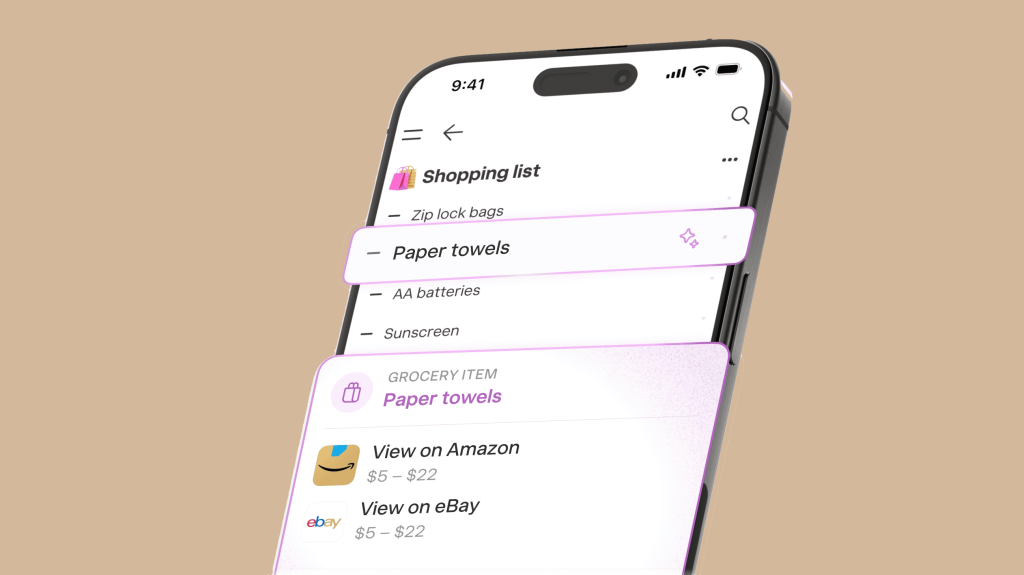
Grocery lists. School reminders. Gift ideas. Things to remember later that don’t belong anywhere else.
These notes aren’t organized perfectly. That’s part of why the app lasts. It allows information to land somewhere safe without pressure to sort it immediately.
The app stays because it adapts to real thinking, not ideal systems.
The Navigation App That Reduces Stress
Getting from one place to another is a constant part of family life.
Drop-offs. Pick-ups. Errands squeezed between commitments. Navigation apps remain because they remove uncertainty.
Parents keep them not just for directions, but for timing. Knowing when you’ll arrive. Knowing which route avoids extra stress.
When time feels tight, clarity becomes essential.
The Payment App That Simplifies Small Moments
Digital payment apps often survive the clean-out as well.
They’re used at school events, small shops, and unexpected moments where cash isn’t practical. Their value isn’t about spending more, but about reducing friction.
When transactions are simple, attention stays where it belongs.
That ease earns loyalty.
The Photo App That Holds Family Memory
Even parents who delete social platforms often keep a photo app.
Photos document growth, routines, and moments that pass quickly. They’re revisited during quiet evenings or shared with relatives far away.
What makes these apps last is emotional value. They don’t demand engagement. They simply hold memories until someone is ready to look.
That patience matters.
Why Productivity Apps Often Go First
Interestingly, many productivity apps are among the first to be deleted.
They promise optimization, but often require constant input. Updates. Categories. Check-ins.
For parents already managing complexity, apps that add structure without flexibility tend to fall away. What remains are tools that support existing habits rather than trying to redesign them.
What These Remaining Apps Have in Common
The apps parents keep using after everything else gets deleted share an important trait.
They respect attention.
They don’t compete for it. They don’t demand frequent decisions. They don’t create extra steps.
Instead, they quietly support what’s already happening.
Why Fewer Apps Feel Calmer
With fewer apps, phones feel lighter. Not physically, but mentally.
There are fewer notifications to process. Fewer icons asking to be opened. Fewer unfinished digital tasks lingering in the background.
This calm isn’t about discipline. It’s about alignment. The phone begins to match the pace of family life rather than accelerating it.
How Parents Decide What Stays
Over time, many parents adopt a simple test.
If an app hasn’t been opened recently, it’s reconsidered. If it creates more reminders than relief, it’s removed. If it duplicates something else, it’s let go.
What stays earns its place by being genuinely useful, not aspirational.
Children Notice the Difference
When parents use fewer apps, children often notice subtle changes.
There’s less device switching. Fewer interruptions. More consistency in routines.
Children respond well to predictability. When technology feels steady and purposeful, it becomes less of a focus.
Using Apps That Match Family Values
The apps that last often align with family priorities.
Connection. Organization. Memory. Simplicity.
They support these values quietly, without trying to become the center of attention.
When tools reflect what matters most, they integrate more naturally into daily life.
Letting the Phone Become a Tool Again
After a digital clean-up, many parents describe the same feeling.
Their phone feels useful again.
Not exciting. Not overwhelming. Just helpful.
It becomes a tool that supports family life rather than competing with it.
A Quiet Reflection
Deleting apps isn’t about rejecting technology.
It’s about choosing what deserves space.
The apps parents keep using after everything else gets deleted aren’t the trendiest or the most talked about. They’re the ones that show up, day after day, without asking for much in return.
In a family life already full of movement and meaning, that quiet reliability is what lasts.