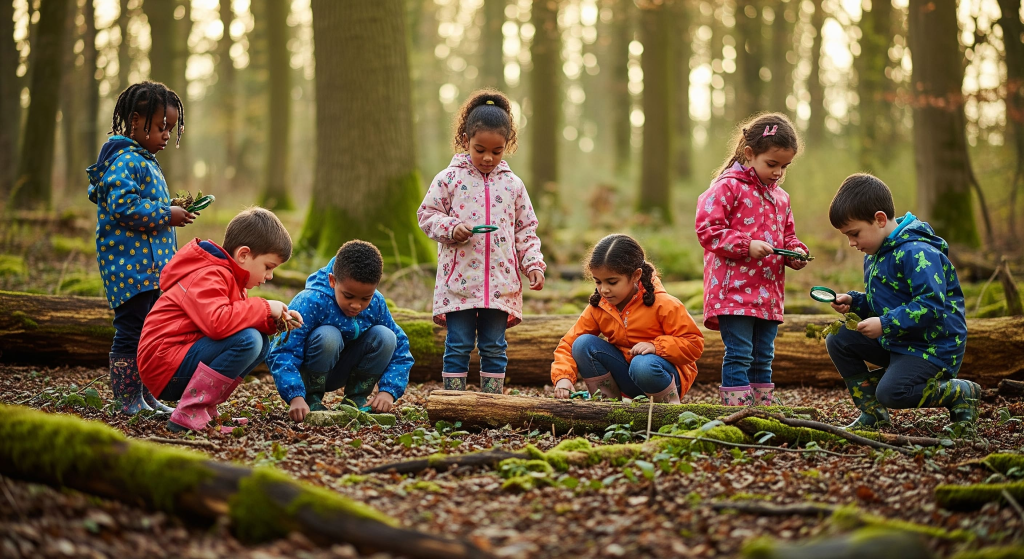
Packing for an outdoor trip used to feel harder than the trip itself.
We’d start with good intentions, then slowly add “just in case” items until the bags were overflowing. Extra clothes. Backup gear. Things we barely used but were afraid to leave behind. By the time we loaded the car, we were already tired.
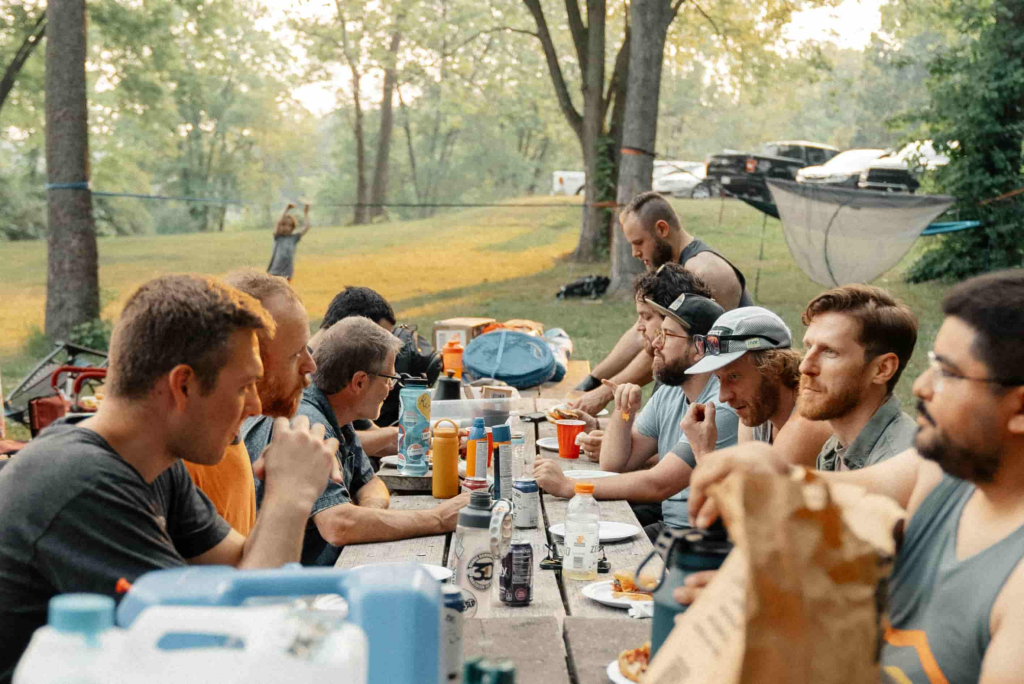
Overpacking didn’t make trips easier. It made them heavier — physically and mentally.
What finally changed things was realizing that most outdoor stress doesn’t come from forgetting something important. It comes from carrying too much.
Once we simplified our outdoor setup, trips became lighter, faster, and far more enjoyable.
Why Families Overpack in the First Place
Most families don’t overpack because they’re disorganized.
They overpack because they want to be prepared.
Parents worry about hunger, weather, boredom, and comfort — especially with kids involved. That concern leads to adding item after item, until the setup becomes more stressful than helpful.
The problem isn’t caring too much.
It’s trying to plan for every possible scenario instead of the most likely ones.
The Best Outdoor Setup Starts With Fewer Categories
The simplest outdoor setups focus on essentials, not backups.
Families who pack lighter usually limit themselves to:
- One clothing layer strategy
- One food plan
- One comfort item per person
- One shared activity
Everything else stays home.
When each category is clear and limited, packing becomes faster and more intentional.
How Multipurpose Gear Changes Everything
The key to avoiding overpacking isn’t skipping items.
It’s choosing items that do more than one job.
Families pack less when they use:
- Layers instead of bulky jackets
- Backpacks that work for multiple outings
- Blankets that double as seating
- Snacks that cover hunger and energy
When one item replaces two, bags stay lighter without sacrificing comfort.
What We Stopped Bringing (And Didn’t Miss)
This part was eye-opening.
We stopped bringing:
- Extra outfit options “just in case”
- Multiple activity kits
- Gear meant for every possible weather shift
- Comfort items that never actually got used
Nothing went wrong.
In fact, trips felt smoother without constant unpacking and repacking.
Why Lighter Packing Makes Kids Happier Too
Overpacking affects kids more than parents realize.
More gear means more rules, more monitoring, and more interruptions. When there’s less to manage, kids move more freely and stay engaged longer.
A simpler setup gives kids space to explore instead of waiting for the next thing to be pulled out of a bag.
The Rule We Use Now
We follow one simple rule:
If we wouldn’t carry it ourselves for an hour, it doesn’t come.
That guideline alone cut our packing list in half — and removed most of the stress before we even left the house.
The best outdoor setup isn’t the one that prepares for everything.
It’s the one that lets families move freely without feeling weighed down.
When packing gets lighter, outdoor time gets better — and that’s what families remember.
Frequently Asked Questions
How do we know what to leave at home?
Start by noticing what comes back unused. Those items are your first candidates to remove next time.
What if something goes wrong and we didn’t pack for it?
Most situations can be handled with flexibility rather than gear. Planning for the most likely needs covers far more than overpacking ever does.
Does this work for longer outdoor trips?
Yes — especially for longer trips. A simpler setup reduces fatigue and makes it easier to adapt as plans change.
What’s the easiest way to pack lighter?
Choose multipurpose items and limit categories. Fewer types of items make decisions faster and packing less stressful.