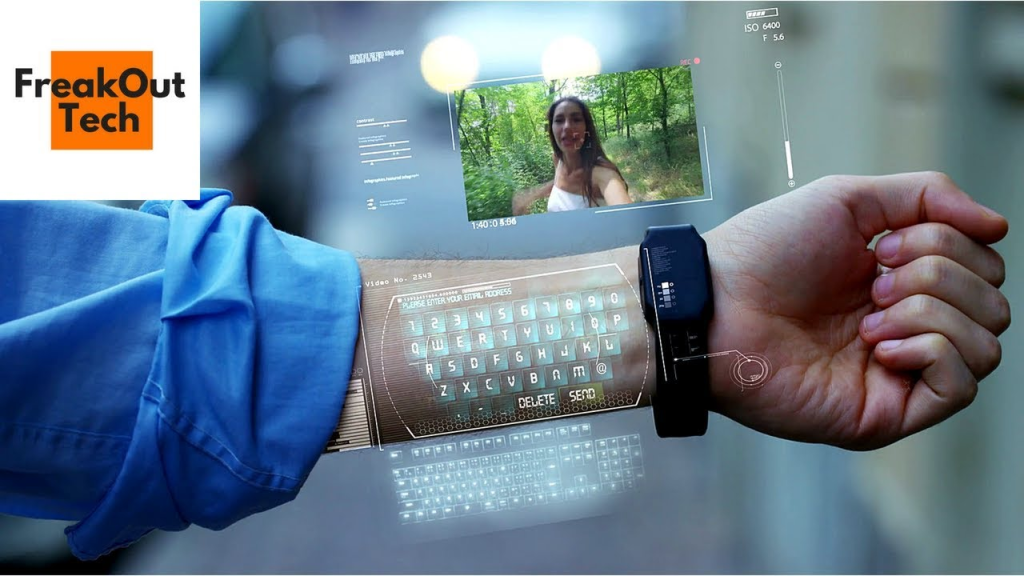
Personal computing has undergone a dramatic transformation over the past decade. Once dominated by bulky desktops and traditional laptops, the tech landscape of 2025 is filled with ultra-portable machines, foldable-screen devices, and hybrid computers that blur the line between tablets and laptops. This shift is driven by the growing demand for mobility, efficiency, and versatility, especially among professionals, students, and creators in the United States. The modern user wants performance without sacrificing portability, and the latest advancements in computing technology are making that possible.

Today’s personal computers are thinner, lighter, faster, and far more intelligent than earlier generations. Manufacturers have embraced new materials, reimagined internal architecture, and integrated AI-driven optimization to create devices that adapt to the user’s needs. Battery life has significantly improved, cloud integration is seamless, and thermal management systems allow even the slimmest machines to handle demanding tasks. As remote and hybrid work continue to shape American lifestyles, portable PCs have become essential tools for productivity and creativity.
The Rise of Ultra-Thin Laptops
Thin, lightweight laptops dominate the personal computing market in 2025. Consumers want power they can take anywhere, and manufacturers have responded with models weighing under 2 pounds yet delivering performance once reserved for full-sized workstations. These laptops often feature powerful processors, high-resolution displays, solid-state storage, and all-day battery life.
Their sleek designs appeal to students and professionals who need devices that are both stylish and functional. Combined with improved heat dissipation and fanless engineering in some models, ultra-thin laptops offer a quiet, comfortable computing experience. Portability no longer requires compromising performance or durability.
Many models now feature touchscreen capabilities and active stylus support, making them ideal for note-taking, digital art, and design. The U.S. market has especially embraced these multifunctional designs as they support both academic and professional workflows.
Hybrid 2-in-1 Devices: Laptops That Become Tablets
Hybrid devices, also known as 2-in-1 computing systems, have become extremely popular. These machines transform from laptops to tablets in seconds, offering unmatched flexibility. Whether used in tent mode for presentations, tablet mode for drawing, or laptop mode for typing, hybrids adapt to any task.
The popularity of hybrids is driven by three major factors:
- Versatility – Users can switch between work and entertainment effortlessly.
- Touch and Pen Input – Ideal for artists, designers, and students.
- Compact Designs – Lighter than traditional laptops yet powerful enough for daily tasks.
Many hybrid devices now feature detachable keyboards, allowing users to choose between a tablet-like experience or full laptop productivity. Improved hinges, durable build quality, and high-resolution displays make them appealing for a wide range of use cases.
Foldable Screens: A New Era of Computing
Foldable-screen laptops represent one of the most futuristic advancements in computing. These devices combine portability with large usable screen space, ideal for multitasking and creative work. Foldables feature flexible OLED displays that fold like a book, transforming from compact form factors into full-sized workstations.
Early foldables were experimental, but 2025 models are more durable, brighter, and more affordable. Professionals who value screen real estate—such as programmers, designers, photographers, and financial analysts—find foldable PCs especially attractive.
The ability to carry what is essentially a portable monitor in a compact device has opened new possibilities for productivity on the go. Foldables also embrace multi-window interfaces, making multitasking smoother and more intuitive.
Cloud Integration and Virtual Computing
Cloud computing has become essential to personal computing. With faster internet speeds and more secure cloud platforms, users can access files, applications, and resources from anywhere. Ultra-portable laptops rely heavily on cloud integration to keep internal hardware light and efficient.
Key benefits of cloud-backed personal computing include:
- Real-time syncing across devices
- Automatic backups for security
- Ability to run powerful applications without high hardware demands
- Collaboration tools for remote work
- Greater storage without increasing device size
Virtual desktops are also rising in popularity. They allow users to access full computing environments from lightweight devices, making powerful desktop-level processing available even on thin laptops and tablets.
AI-Enhanced Performance
Artificial intelligence plays a major role in the future of personal computing. Modern devices use AI to optimize battery usage, manage heat output, allocate processing power, and personalize user experiences. AI features make personal computers more efficient, responsive, and intuitive.
Examples of AI integration include:
- Predictive performance adjustments based on usage
- Intelligent battery preservation that extends runtime
- Voice assistants built into the operating system
- Real-time language translation and transcription
- Smarter security features that detect unusual behavior
AI is making computers feel more personal and less like machines, enabling users to focus on creativity and productivity rather than maintenance.
Connectivity & Ecosystem Integration
Personal computers no longer operate alone. They are part of a larger digital ecosystem that includes smartphones, tablets, wearables, smart home devices, and cloud platforms. The future of personal computing emphasizes seamless integration across these devices.
Examples of powerful ecosystem features:
- Copying and pasting text between phone and laptop instantly
- Using a tablet as a second wireless monitor
- Syncing notifications across all devices
- Unlocking a laptop with a smartwatch
- Continuity tools that allow work to move from device to device effortlessly
This level of connectivity improves workflow efficiency and makes personal computing more intuitive and enjoyable.
Gaming on Ultra-Portable Devices
Gaming laptops once required heavy frames and large cooling systems. But in 2025, ultra-portable gaming devices use improved thermal engineering, efficient processors, and cloud gaming platforms to deliver impressive performance. Even thin laptops can now run high-end games thanks to AI-assisted rendering, optimized graphics chips, and cloud streaming services.
Gamers enjoy portability without sacrificing gameplay quality, while developers continue releasing cross-platform tools that make gaming accessible from virtually any device.
Sustainability in Personal Computing
As environmental awareness grows, manufacturers are shifting toward sustainable materials, energy-efficient components, and longer-lasting designs. Recycled aluminum, modular parts, and low-power displays help reduce electronic waste.
More devices now feature:
- Recyclable materials
- Easy-to-replace batteries
- Repair-friendly designs
- Energy-efficient processors
- Reduced packaging waste
Sustainability is not just a trend—it is becoming a standard expectation among U.S. consumers.
The Road Ahead
The future of personal computing promises even more groundbreaking innovations. AI-powered devices will become more adaptive, foldable screens will become mainstream, and cloud-driven systems will reduce hardware limitations even further. Devices will continue shrinking in size while expanding in capability, empowering users to work, create, and connect wherever they are.
Ultra-portable laptops and hybrid devices are shaping a future where computing is lightweight, intelligent, and seamlessly integrated into every part of daily life. In 2025 and beyond, personal computers will continue evolving to meet the needs of a mobile, digital world that thrives on flexibility and innovation.