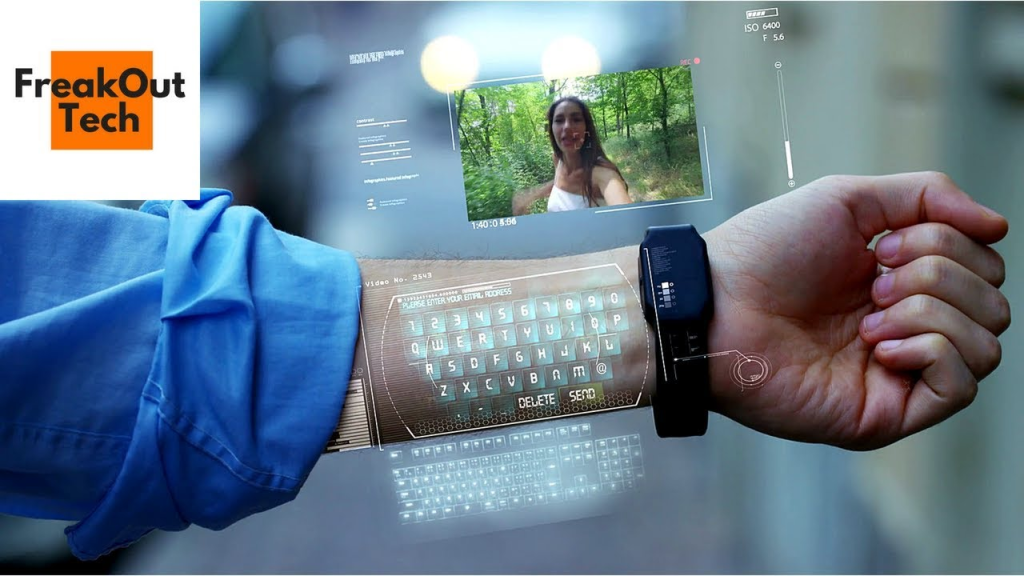

Wearable technology has become a cornerstone of modern health and fitness. What began as simple step counters has evolved into intelligent health-monitoring systems that offer deep insights into our daily lives. In 2025, wearable tech is smarter, more accurate, and more personalized than ever before. These compact devices—whether worn on the wrist, finger, or even embedded into clothing—help users manage stress, monitor vital signs, improve sleep, and optimize workouts. For many Americans, wearable technology has become essential to maintaining a healthy and productive lifestyle.
Over the past decade, the shift toward digital wellness has accelerated. Americans are more health-conscious, seeking tools that offer real-time data and actionable insights. Wearable devices bridge this gap by transforming raw information into meaningful health guidance. Thanks to improved sensors, AI-driven analytics, and seamless connectivity, wearables now act as personal health assistants that work 24/7.
This article explores the top wearable technologies leading the way in 2025, how they benefit users, and why they’ve become a fundamental part of health and fitness culture.
1. Smartwatches: The Command Centers of Wearable Tech
Smartwatches remain the most popular wearable devices in the United States for good reason. They combine style, function, and advanced technology in a compact, comfortable design. Today’s smartwatches go far beyond telling time—they provide a complete overview of a user’s daily health.
Key Features Driving Popularity
- Advanced heart rate monitoring using optical and electrical sensors
- ECG capabilities to detect irregular heart rhythms
- SpO₂ tracking to measure blood oxygen levels
- Stress monitoring powered by continuous biometric data
- Custom workout plans created with AI coaching
- Fall detection and emergency SOS alerts
- Sleep cycle analysis with personalized improvement suggestions
Brands like Apple, Samsung, Garmin, and Fitbit continue competing to offer the most accurate tracking and longest battery life. Many smartwatches now integrate with smart home devices, making them functional beyond fitness alone.
2. Fitness Trackers: Lightweight, Simple, and Powerful
While smartwatches offer robust functionality, some users prefer a more minimalist approach—enter fitness trackers. These slim, lightweight wearables provide essential health data without the distraction of apps or constant notifications.
Why Fitness Trackers Are Still Popular
- Long-lasting batteries (often 5–14 days)
- Comfortable and easily worn during sleep
- Simple interfaces ideal for beginners
- Affordable pricing for budget-conscious users
Fitness trackers focus primarily on activity tracking, sleep monitoring, and heart rate measurement. Their simplicity appeals to users who want health insights without extra complexity.
3. Smart Rings: The New Wave of Health Monitoring
One of the fastest-growing categories in 2025 is smart rings. These compact wearables pack an impressive amount of technology into a discreet form. Despite their small size, smart rings offer outstanding accuracy due to their close contact with arteries in the fingers.
What Smart Rings Can Track
- Heart rate and resting heart rate
- Body temperature fluctuations
- Heart rate variability (HRV)
- Sleep cycles and sleep quality
- Stress patterns and recovery levels
- Steps and activity intensity
Smart rings have become popular among professionals, travelers, and athletes due to their lightweight design and multi-day battery life. They blend seamlessly into any lifestyle, offering advanced tracking without feeling like a piece of tech.
4. Wearable Health Monitors: Medical-Grade Technology for Everyone
The U.S. healthcare landscape has embraced wearable monitors that offer near-clinical accuracy for everyday users. Devices like continuous glucose monitors (CGMs) and smart blood pressure cuffs allow individuals to track their conditions without frequent doctor visits.
Popular Wearable Health Monitors
- CGMs for real-time blood sugar levels
- Wearable blood pressure sensors that warn users of changes
- Patch sensors that track hydration, electrolytes, and sweat composition
- Wearable thermometers for continuous temperature insights
These devices help users take control of their health, especially those living with chronic conditions.
5. Smart Clothing: Fitness Meets Fashion
Smart clothing has become more accessible in 2025. These garments embed tiny sensors that track movement, muscle tension, posture, and breathing patterns.
Examples of Smart Clothing Innovations
- Compression shirts that analyze posture
- Smart leggings that correct running form
- Sports bras with built-in heart rate monitoring
- Temperature-regulating jackets that adapt to weather conditions
Smart clothing appeals to athletes seeking performance optimization—and everyday users who want wellness insights without relying on wrist-based devices.
6. AR Glasses: The Future of Immersive Fitness
Augmented reality glasses have transitioned from niche devices to mainstream fitness companions. AR glasses can overlay real-time coaching instructions, performance metrics, or immersive environments during workouts.
Use Cases in 2025
- Guided workouts with virtual coaches
- Real-time running or cycling data displayed on the lens
- Interactive indoor training environments
- Navigation assistance for outdoor activities
For adventure lovers, AR glasses enhance safety by providing hazard alerts and route guidance.
7. The Role of AI in Wearable Tech
Artificial intelligence is the secret ingredient behind the effectiveness of wearable devices. AI transforms raw data into meaningful insights by analyzing trends, predicting potential health issues, and offering proactive advice.
AI Helps By:
- Recognizing irregular health patterns
- Offering recovery recommendations
- Optimizing workout plans based on performance
- Suggesting improvements for sleep and stress
- Notifying users of potential medical concerns
As AI continues to advance, wearables will become even more personalized and intuitive.
8. Why Wearables Are More Popular Than Ever in the U.S.
A Health-Focused Culture
Americans prioritize wellness, and wearable devices give users more control over their bodies and habits.
Technological Advancements
Improved battery life, accuracy, and comfort make wearables more appealing than ever.
Integration With Everyday Devices
Wearables sync seamlessly with smartphones, smart home tech, cars, and even medical providers.
Prevention Over Treatment
More Americans recognize the value of early detection, making wearable tech a powerful preventive tool.
9. The Future of Wearables
The next generation of wearables will be more discreet, intelligent, and holistic. Expect developments like:
- Bio-sensing earbuds
- Wearable hydration tracking
- AI-driven virtual health coaches
- Smart tattoos for real-time monitoring
- Emotion-detecting sensors
Wearable tech will not just track health—they will guide, support, and improve it.
Conclusion
Wearable technology has become a cornerstone of health and fitness in the United States. From smartwatches and fitness trackers to smart rings and health sensors, these devices empower users to understand their bodies in ways never before possible. As technology evolves, wearables will continue helping Americans optimize their well-being, improve performance, and make informed health decisions. The future of fitness and personal wellness is digital—and wearable technology is leading the way.