
Bees need our help.
Honey bees and many other bee species are struggling to survive. Habitat loss, harmful chemicals and climate change are all playing a part.
The good news? Younger generations are stepping up. Children and teenagers are learning how important bees are as crucial pollinators. And they’re finding simple, powerful ways to help.
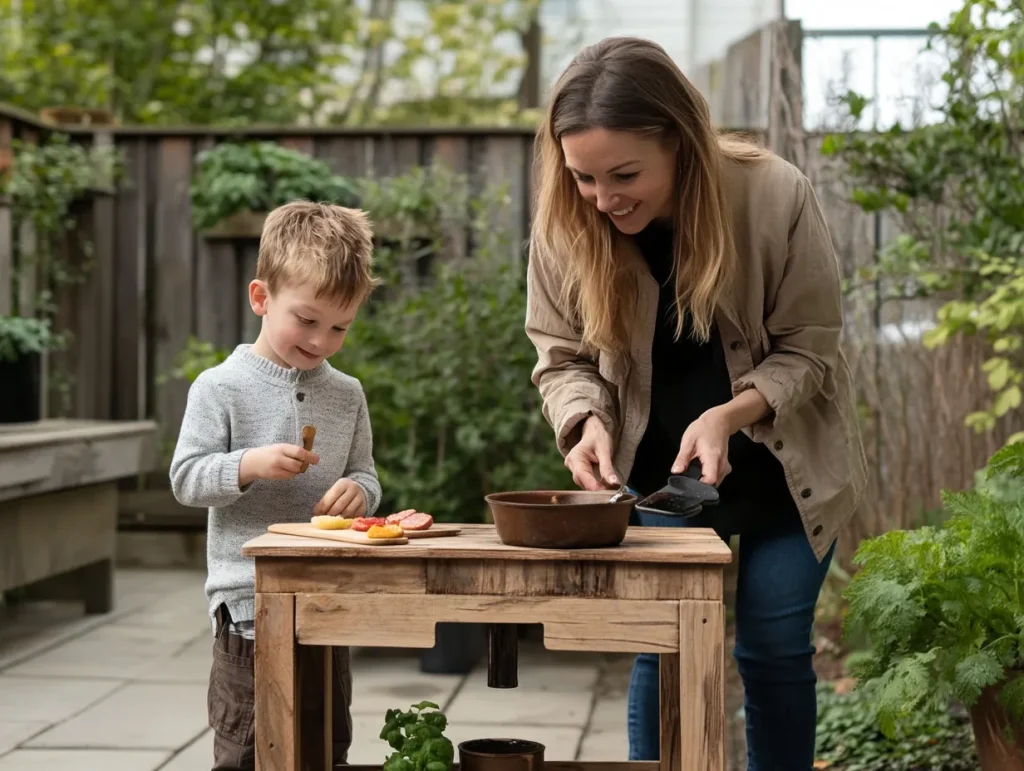
Have you noticed how children desperately want to help, especially when it comes to supporting animals and nature? Let’s think about how you can support them, from creating a safe haven for native bees in your garden, to spreading the word at school. Small actions really can make a big difference.
In this article, you’ll find inspiring ideas to help the bees — and ways your family can get involved too.

Creating Buzzing Bee Gardens
If you want to help bees, one of the best places to start is your garden. Or even a window box or a few flower pots!
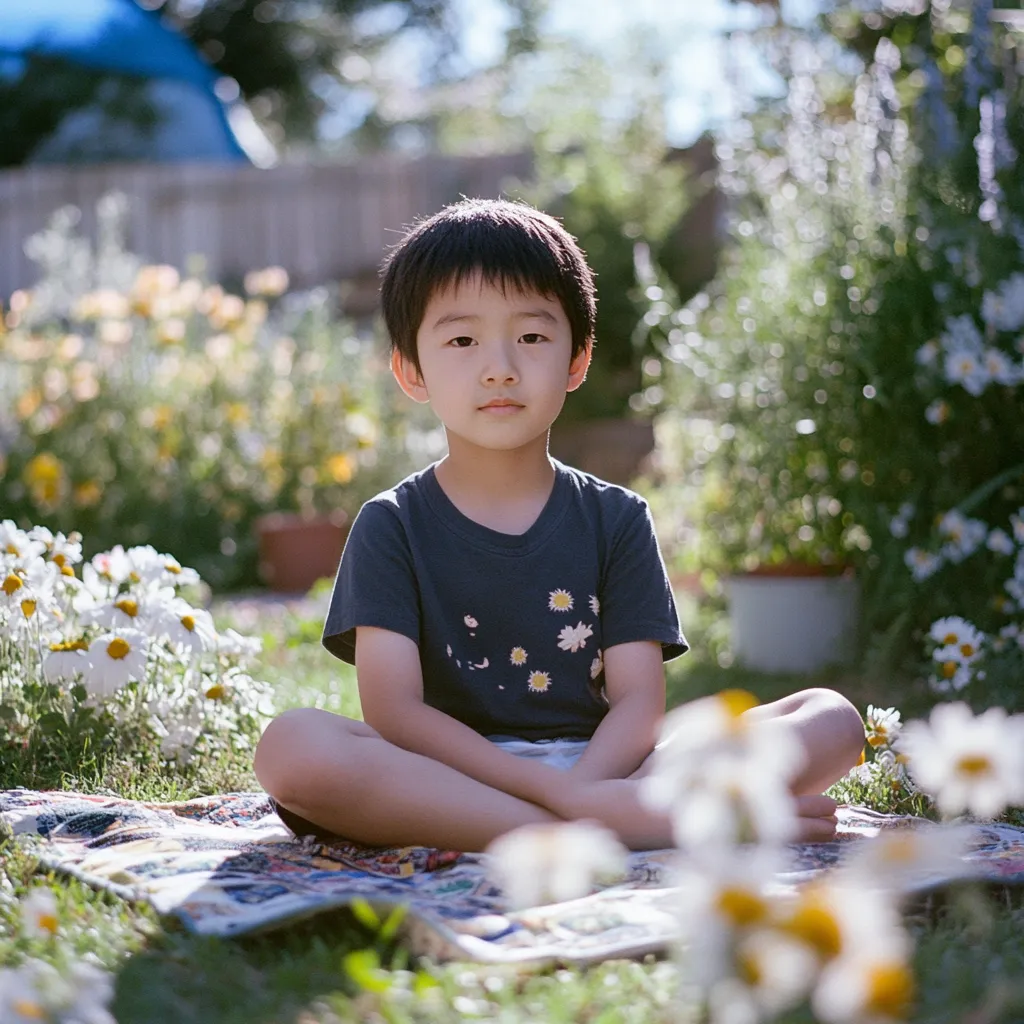
Bee gardens are a brilliant way for your child to learn about bees — and support them at the same time. By planting native flowers and other bee-friendly plants, you’ll be creating a little oasis for all kinds of bees.
Different bees love different plants. So if you can include local flora like wild plants and flowering plants, you’ll be helping a variety of bees to find the food they need all year round.
Not sure which plants are best in your area? Ask in your local garden store or garden center for native plants for pollinators in your region. Also check out organizations like Friends of the Earth, who offer a comprehensive guide.
It’s also a great chance to talk to your child about why bees matter. Bees are amazing pollinators. Every flower garden your family plants helps local bees — including honey bees — to survive and thrive.
And there’s more to a bee-friendly space than just flowers. Bees need places to rest and nest too. Ground-nesting bees, like solitary bees, often need patches of bare soil. Others, like mason bees and leafcutter bees, love small holes or bee hotels.
Adding a little water source, like a bee bath, is another simple way to help. These small touches turn your outdoor space into a safe haven for worker bees, the queen bee, and all their buzzing friends.

Fun with Bee Hotels and Insect Havens
Building a bee hotel is a brilliant hands-on activity for children. It’s a simple way to give solitary bees a safe place to rest and lay their eggs. And it’s a lovely chance for kids to get creative while learning about nature.
You don’t need anything fancy to get started. A bee hotel is really just a bundle of small tubes where bees can nest. Bamboo canes, hollow stems, or even drilled holes in untreated wood all work well. Tie them together tightly or pop them into a wooden box or a tin. The holes should be about 3-10mm wide to suit different bee species.
Hang your bee hotel in a sunny, sheltered spot, about a meter off the ground. It’s best to face it south or south-east. Make sure it stays dry — bees won’t use damp nests.
Children can check it regularly, giving them the chance to spot any new visitors and notice changes over time.
Bee hotels can turn your garden or outdoor space into a real safe haven for bees.

Avoiding Harmful Chemicals
One of the biggest ways your family can help bees is by avoiding harmful chemicals in your garden.
Many common weedkillers and pesticides can be really damaging to bee species. But the good news is, there are plenty of natural alternatives that are safer for both bees and people.
This is a lovely area to explore together as a family. You could chat with your child about why habitat loss and chemicals are such a challenge for bees. Then experiment with natural ways to care for your garden or outdoor space.
For example, pulling weeds out by hand is a great job for little helpers. Or you could try planting flowers and herbs that naturally deter pests — like lavender, marigolds or mint.
Learning about organic fruit and vegetables together can be eye-opening too. Next time you’re shopping, look out for organic options and talk about how they’re grown without pesticides that harm bees.
And if you spot a tired bee on the ground? Mix a few teaspoons of white sugar with a little water and offer it on a spoon or in a shallow lid. It’s a lovely act of care that your child will remember.
The little changes we make at home really do add up. And when children see their actions making a difference, it builds a sense of hope and connection with nature that will stay with them.
Helping Bees, Together
When it comes to helping bees, there’s no perfect way to do it. What matters most is taking small, thoughtful steps, as a family, over time.
Planting bee-friendly flowers. Avoiding harmful chemicals. Leaving wild corners in your garden. Building a simple bee hotel. Offering sugar water to a struggling honey bee.
These small acts of care all add up. And along the way, your child will be learning something even bigger. That nature is precious. That we have a responsibility to look after it. And that their actions — even tiny ones — can make a difference.
We need bees. But bees need us too. And perhaps that’s the loveliest thing of all — knowing that together, we can create a world where bees, and children, can thrive side by side.
Steph Simmons is a passionate outdoor mom and founder of Wild Bloom Families. When she’s not writing about outdoor family adventures, you’ll find her camping with her kids, crafting with natural materials, or advocating for more wild spaces in her community.