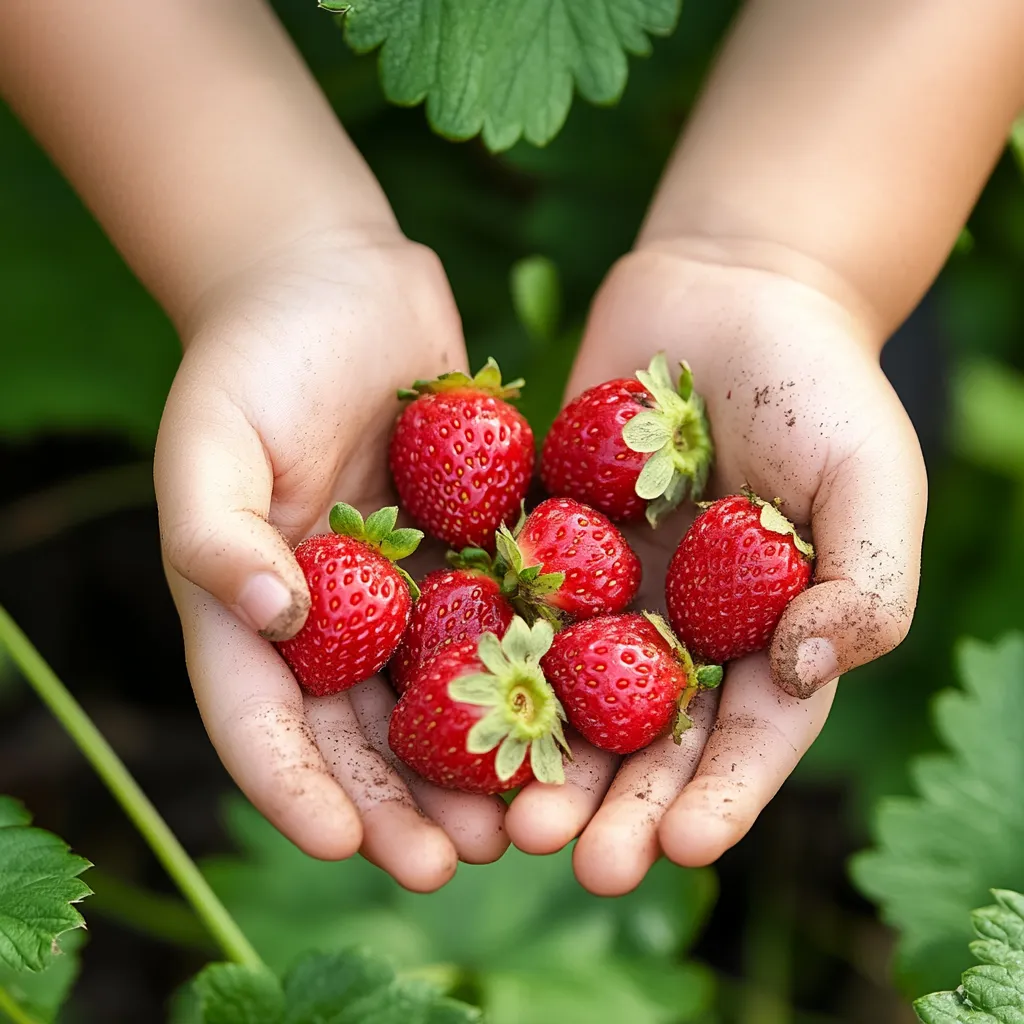

Have you ever witnessed the glee of a child tackling a mud pie or mixing imaginary soup in their outdoor play kitchen? The good news is, creating your very own DIY outdoor play kitchen might be easier, and definitely more fun, than you think!
Today, we’re diving into why these kitchens are a must-have for fostering imaginative play and developing fine motor skills for young ones. Prepare to challenge your understanding of what young kids need to thrive, and brace yourself for a project that’s trending bigger, and messier, than ever before.
Let’s get started on this adventure that promises not only hours of independent play but also countless giggles and memories that last a long time.

1. The Magic Behind Mud Kitchens
The idea of a mud kitchen seems simple—old pots, scrap wood, and a bit of imagination. But the magic unfolds when young children transform these humble materials into a world of possibilities. It’s the most fun projects for little hands to explore textures, practice pouring, and – best of all – engage in role play.
Consider it the real kitchen for young chefs, minus the risks of burns and blades. Creativity runs free, and mud is the main ingredient.
And here’s a little insight… Did you know that sensory play in mud kitchens helps in developing cognitive growth? Outdoor play kitchens are just wonderful ways of learning.

2. Sourcing Your Materials
Ready to gather your materials? Luckily, you don’t need a trip to Home Depot.
You can often source pieces of unwanted wood and even complete kitchen units as well as kitchen sinks from a scrap yard, and your accessories from a thrift store.
Garage sales are also perfect spots to hunt.
For beginners without DIY experience, focus on these essential materials:
- A stainless steel bowl (or two) for your sink area. Even a plastic bowl will work fine. Or if you’re lucky, you might find an old sink you can repurpose!
- An old shelf or flat piece of wood that can be used as a countertop
- Scrap wood pieces (approximately 2×4s or pallet wood works well)
- Weather-resistant screws (at least 2 inches long)
- A basic hand drill with drill bits
- Measuring tape and pencil
- Sandpaper (medium grit)
- Weather-resistant paint and weatherproof sealant
Don’t worry about perfection—these play kitchens are meant to be rustic and functional. The key is finding materials that can withstand outdoor conditions.
3. Building the Base: A Step-by-Step Guide
First, you’ll be constructing the base frame, Even if you’ve never built anything before, this project is achievable with these simple steps:
- Start with a sturdy foundation: Either repurpose an old furniture piece like a small table, or build a simple frame using 2×4s (cut to 24″ high × 30″ wide × 20″ deep).
- Ensure it’s the perfect height for your kids—typically 20-24 inches for little kids and 26-30 inches for big kids. Test the height by having them stand next to it.
- For the countertop: Attach a piece of plywood or an old shelf to the top frame using 4-6 wood screws.
- Install your sink: Cut a hole slightly smaller than your farmhouse sink or stainless steel bowl (trace around it, then cut 1/2 inch inside your line). A jigsaw works best, but a drill and handsaw can work too.
- Secure the sink by applying waterproof silicone caulk around the rim, then press into place.
- For the back wall of the mud kitchen, attach a piece of plywood (approximately 24″ high) to the rear of your counter using wood screws or, for a cleaner look, pocket hole screws.
- Add an oven door below the counter: Cut a square piece of wood, attach with basic hinges from any DIY store, and add a small wooden knob.
- Sand all edges to prevent splinters, then apply outdoor paint or sealant to protect the whole thing from weather.
No power tools? Many DIY stores offer cutting services if you bring your measurements, or consider asking a neighbor to help with the cutting steps.
4. Adding Character with Accessories
What’s a kitchen without accessories and spices? The finishing touches make all the difference, and they’re the easiest part for non-DIY experts:
- Attach a small wooden plank horizontally as a spice rack
- Install small hooks (screw-in type) to hang kitchen utensils
- Collect mud kitchen accessories from your own kitchen: old ladles, wooden spoons, measuring cups, and muffin tins
For beginners, use these simple attachment methods:
- Cup hooks screw in easily by hand
- Picture hanging strips work well for lightweight items
- Pre-drilled holes make screw installation much easier
Encourage imaginative play by arranging these tools within easy reach.
The best part is involving your child in how it will look. It makes the DIY play kitchen truly their own and they’ll love helping add the finishing touches.

5. Creating the Perfect Play Environment
Finding a perfect spot for your mud kitchen is crucial. For those new to outdoor setups:
- Choose a flat, level surface—either on a patio or create a simple base using paver stones
- Position near garden beds for easy access to digging materials
- Consider drainage—slight slopes help prevent water pooling
- Add a rubber floor mat underneath to minimize mud spread
For sun protection, either position under an existing tree or add a simple canopy (a patio umbrella works well) to keep young kids comfortable during play.
Add a plastic bin with lid nearby to store accessories when not in use, and install a simple soap dispenser with a water jug for cleaning hands. The simplest solution is a camping-style water container with spigot mounted on a wooden stand.
6. The Art of Social Sharing: Showing Off Your Creation
Once your adorable play kitchen is complete, capture its charm with these simple photography tips:
- Photograph during the “golden hour” (early morning or late afternoon) for the best natural lighting
- Take close-ups of special features and wide shots of the entire setup
- Capture action shots of kids using their DIY mud kitchens
- Use simple photo editing apps to brighten images before sharing
Create a simple before/after collage to show the transformation if you used upcycled materials.
7. Ready for Play: Encourage Creative Scenarios
The beauty of the DIY outdoor play kitchen is its versatility. For parents wanting to maximize learning through play:
- Create themed play days: “Mud Bakery Monday” or “Wild Food Wednesday”
- Provide play ideas written on cards for inspiration
- Add seasonal elements: pine cones in fall, flowers in spring
- Rotate pretend food items between the outdoor and real kitchen toys
From sensory play with different textured materials to cooperative cooking games, your creation becomes a learning laboratory disguised as fun.
8. Beyond Mud and Water: Teaching Responsibility
To maintain your kitchen with minimal effort:
- Apply a fresh coat of outdoor sealant each spring
- Check and tighten any loose screws monthly
- Create a simple storage system for mud kitchen accessories
- Establish a quick clean-up routine that children can manage
Teaching children to care for their own kitchen builds pride in ownership. Include a child-sized brush and dustpan nearby, and demonstrate how to drain water and organize their space after playing and creating.
Simple maintenance ensures your outdoor kitchen remains a beloved play space for years to come.

9. Celebrating the Journey: From Start to Finish
Building your own outdoor play kitchen is a journey. From sourcing materials to seeing the finished product in action, each step is filled with great fun and bountiful memories.
Treasure each splash of mud as a badge of imagination and creativity – you’ve created more than a kitchen; you’ve fostered childhood magic.
10. Conclusion: The Best Thing You’ll Do This Year!
In the age of digital playdates, bringing something as tangible and messy as a DIY outdoor play kitchen into your backyard might just be the best thing you’ve ever done.
Challenge the norm, embrace the dirt, and let your kids revel in creative, imaginative play. This project isn’t just about crafting a play kitchen. It’s about building unique experiences and opportunities to develop.
So grab those tools and embrace the mess. Better yet, share your creations and inspire others to embark on this delightful journey.
Steph Simmons is a passionate outdoor mom and founder of Wild Bloom Families. When she’s not writing about outdoor family adventures, you’ll find her camping with her kids, crafting with natural materials, or advocating for more wild spaces in her community.