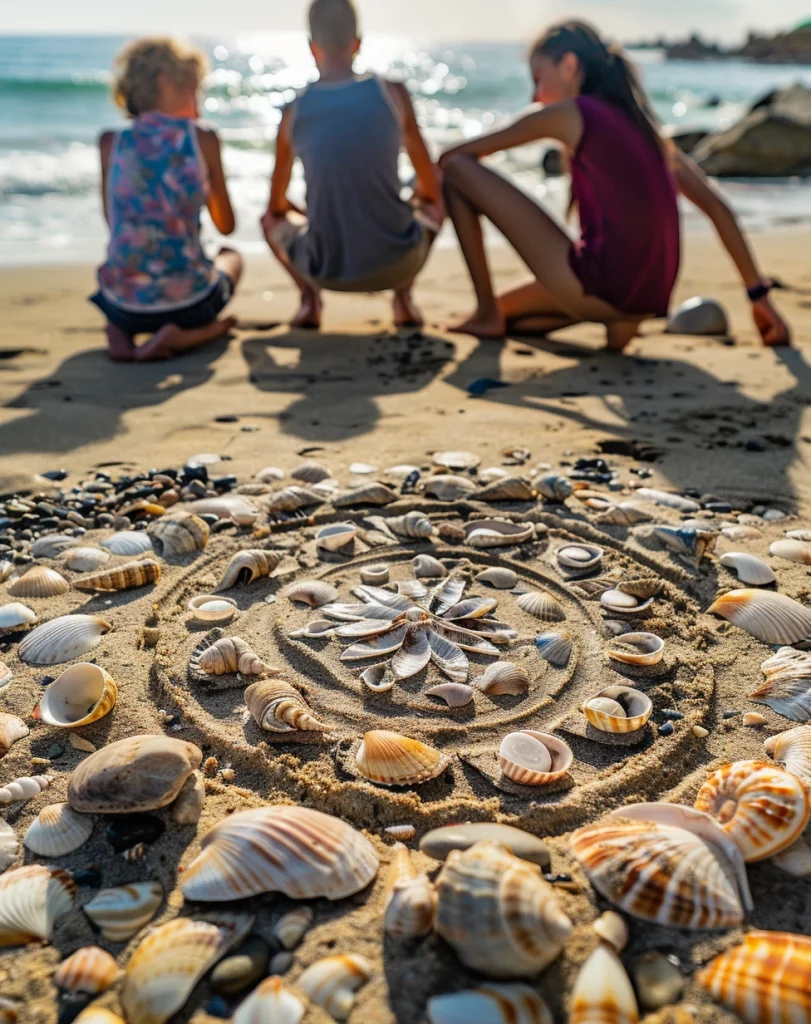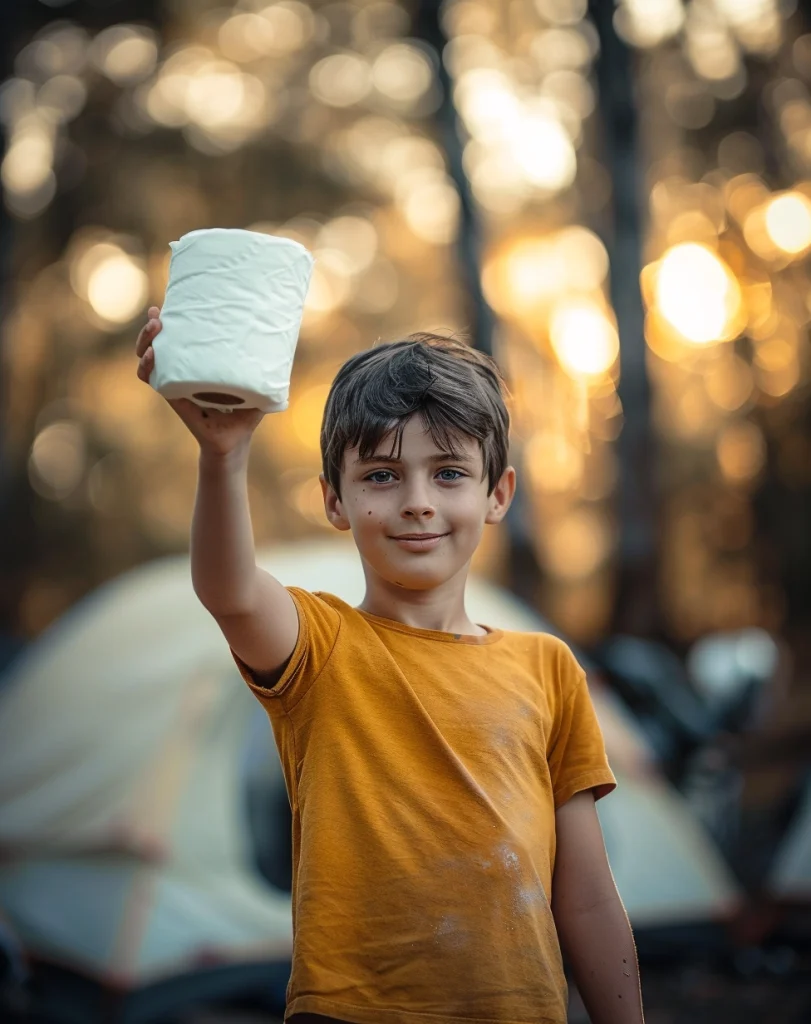

I strongly advocate for all children to go camping at least once in their childhood, and hopefully much more than that.
As a child, although my family did not camp, I was lucky enough to get lots of camping experiences through Girl Guiding (the UK equivalent of Girl Scouts).
I’m going to take you through five of the numerous benefits of camping for kids, ranging from physical and mental health to social and cognitive development.
Let’s go!
Key Takeaways:
- Camping provides numerous benefits for children’s development.
- Outdoor activities help children stay active and embrace a healthier lifestyle.
- Camping teaches resilience, independence, problem-solving skills, and social skills.
- Camping experiences create long-lasting memories and strengthen family bonds.

1. Building Resilience Through Camping Experiences
One of the most significant benefits of camping for children is the opportunity to build resilience.
When kids are away from the comforts of home and faced with new challenges in the great outdoors, they develop important life skills such as problem-solving, adaptability, and self-confidence.
Through camping experiences, your child will learn to overcome obstacles and challenges, which will remain with them for life.
Moreover, these experiences create lasting memories which shape their character and ability to bounce back from future challenges.
For instance, your child can get involved with setting up the tent, starting a fire, and cooking outdoors. Even very young children can help collect firewood, arrange the inside of your tent, or get involved in meal preparation.
These tasks are going to help your children develop a sense of self-reliance and independence.
Resilience Table
| Ways Camping Builds Resilience | Examples |
|---|---|
| Problem-solving | Setting up a tent, starting a fire, cooking outdoors |
| Adaptability | Changing weather conditions, unexpected situations |
| Self-confidence | Taking risks, trying new things |
| Perseverance | Overcoming challenges, pushing through discomfort |
2. Connecting Your Child With Nature and Adventure
Connecting with nature is not just an activity; it’s a vital part of a child’s development. In today’s digital age, children are often glued to screens, missing out on the wonders of the natural world.
Camping is an antidote to that, pulling them away from gadgets and immersing them in the beauty and tranquility of the outdoors.
When children explore nature, they engage all their senses. The rustling leaves, the cool touch of a stream, and the sight of a starry sky can’t be replicated on a screen.
This sensory experience can ignite a deep appreciation for the environment, teaching children the value of conservation and the importance of preserving our planet for future generations.
Nature – and camping in nature – challenges children physically and mentally, encouraging curiosity and creativity. They learn to navigate the natural world, which boosts their confidence and self-reliance.
Taking your child camping is a straightforward, enriching experience. It’s about sharing stories around a campfire, spotting wildlife, and learning to respect and care for our environment. This hands-on approach to learning makes the lessons stick and cultivates a lifelong love for nature.
For many children – including mine – their fondest memories are camping trips, where they get to experience the beauty of nature and bond with friends and family.

3. Supporting Physical and Mental Health through Camping
One of the most significant benefits of camping for children is the incredible benefits for physical and mental health. I walk at least four times as many steps per day when i am camping, for example backwards and forwards to collect water!
With the rise of sedentary lifestyles and screen time, children need activities that get them moving and interacting with nature.
Camping is such an excellent opportunity for kids to engage in outdoor activities like hiking, swimming, and playing in an unstructured environment.
Camping trips offer an escape from the hustle and bustle of city or suburban life and the opportunity to breathe fresh air and absorb natural sunlight.
Spending time outside also has many proven benefits for mental health.
Many studies have found that exposure to nature reduces feelings of stress, anxiety, and depression. Children who spend time in nature develop a deeper sense of peace and tranquility, which they carry with them into adulthood.
“Nature is fuel for the soul. Often when we feel depleted we reach for a cup of coffee, but research suggests a better way to get energized is to connect with nature.”

3. Social Skills Development and Camping
Did you know that family camping trips give children a brilliant opportunity to enhance their social skills? I have observed this first-hand with my children.
Spending time outdoors provides a relaxed environment to interact and collaborate with their family members and peers (when we camp with friends).
Setting up tents, building campfires, playing games, and cooking meals together creates shared experiences that strengthen communication, empathy, and cooperation. It also builds a sense of belonging and strengthens family bonds.
Camping is an excellent platform to learn vital social skills that cannot be taught in a classroom.
Children learn how to resolve conflicts, negotiate, share, and work as a team.
They develop their social intelligence, which is vital for success in life.
On top of this, camping provides an opportunity for children to meet and interact with new people from different locations and cultures.
| Social Skills | Benefits |
|---|---|
| Communication | Learning how to express ideas and emotions |
| Empathy | Understanding other people’s feelings and perspectives |
| Cooperation | Working together to achieve a common goal |
| Conflict resolution | Finding mutually acceptable solutions to disagreements |
| Teamwork | Collaborating with individuals to achieve a goal |
I hope I have convinced you it’s not a stretch to say children who go camping can benefit from enhanced social intelligence. This is going to help them become well-rounded individuals and successful adults.
4. Camping and Unstructured Play
Unstructured play, a key component of camping, is a powerhouse for cognitive development in children.
Away from the structured routines of home and school, camping provides a unique backdrop where children can explore, imagine, and create at their own pace.
In the vast, open-ended environment of the outdoors, children’s brains are stimulated in new and diverse ways.
For instance, building a fort from branches and leaves enhances problem-solving skills and spatial awareness.
Navigating through a forest can improve their decision-making abilities and sense of direction.
These activities require children to think on their feet, adapt to new challenges, and make independent choices.
The freedom of unstructured play during camping also encourages children to set their own goals and pursue their interests.
Whether it’s identifying different types of insects or creating a map of the campsite, these self-directed activities boost their creativity, initiative and motivation to learn.
Practically speaking, camping strips away the distractions of modern life, allowing children’s imaginations to run wild.
They might invent new games, tell stories, or simply daydream, all of which are crucial for cognitive development. This kind of play nurtures creativity, critical thinking, and emotional intelligence, laying a strong foundation for lifelong learning.

5. Independence and Identity Skills Through Camping
Camping is an excellent platform for children to their explore personal interests in a natural setting, leading to a deeper sense of self-identity.
They might embark on a mini-beetle hunt, sketch the landscape, or learn basic orienteering.
I discovered a love and respect for farm animals such as sheep when I went on a school camping trip to a farm at the age of eleven and spent time with the animals. This has shaped my lifelong love of all animals and strong beliefs about animal equality.
Through helping with scouts and going on many camps over the years, I have noticed that many children love fire! Collecting wood, lighting the fire, stoking it, and cooking something on it. The sense of responsibility and achievement they get from fire-making is so unique; you just can’t get this experience anywhere else.
Engaging in these activities without too much direct adult intervention (depending on their age) allows children to follow their curiosity, make decisions, and solve problems independently, which reinforces their sense of self-reliance and capability.
I should also mention that the collaborative aspect of camping, such as participating in group hikes or meals, teaches children the balance between independence and teamwork.
They learn to trust their own abilities while understanding the value of working together towards a common goal.
This blend of independence and cooperation is essential for their overall personal development and prepares them for diverse life situations.
Reasons Why All Children Should Go Camping: Summary
Camping is a one-of-a-kind experience. Even if you haven’t been camping before as an adult, I encourage you to give it a go. You will reap the same benefits as your children!
You can start small with an overnight trip to a local area. Many campsites offer ready-made tents, which is perfect if you’re a beginner camper.
Whether it’s roasting marshmallows around a campfire or telling ghost stories under the stars, camping experiences provide opportunities for families to bond and create amazing shared memories.
But as you have seen, children learn so much from camping. It provides numerous benefits for their overall development.
It also gives them the vital opportunity to disconnect from the technology-driven world we live in and give their minds a much-needed rest.
Stephanie Simmons is an Anglo-American mum of two who is passionate about all things outdoors. She loves camping, outdoor crafting, and all outdoor activities.
Steph believes in getting the kids outdoors no matter the weather!
She created Wild Bloom Families to share her passion for the outdoors with other families.
Getting in nature can transform your physical health, mental health and happiness!